

Nobody wants to share their home with unwelcome six- and eight-legged guests. Yet year after year, homeowners find themselves battling the same ants, spiders, roaches, and rodents, wondering why their efforts never seem to stick. The truth is, most DIY pest control methods only treat the symptoms, not the source. Store-bought sprays might kill what you see, but they rarely touch the nests, colonies, and entry points hiding behind your walls.
This cycle of temporary fixes and recurring infestations costs homeowners time, money, and peace of mind. Understanding why pests return—and what actually works to keep them away—can save you from this frustrating loop. In this post, we’ll break down the common reasons pest problems persist, what effective long-term pest control looks like, and how a trusted local service can make all the difference.
Why Do Pests Keep Returning After Treatment?
Pests are resilient creatures, and treating them superficially often backfires. Here’s why:
Incomplete Elimination of Nesting Sites
Many over-the-counter treatments only kill the pests that are visible at the time of application. Nests, egg clusters, and colonies tucked away in walls, attics, or crawl spaces remain untouched, allowing populations to rebound within weeks.
Unsealed Entry Points
Even if you eliminate every pest inside your home today, new ones can easily find their way back in through small cracks, gaps around pipes, or poorly sealed doors and windows. Without addressing these entry points, you’re essentially leaving the door open for the next wave.
Seasonal and Environmental Factors
Certain pests thrive in specific conditions. Warmer months bring out ants and mosquitoes, while cooler weather drives rodents and spiders indoors seeking shelter. If your pest control plan doesn’t account for these seasonal shifts, you’ll likely see repeat issues as the weather changes.
Using the Wrong Products
Not all pests respond to the same treatments. Using a general-purpose spray on a specific infestation—like carpenter ants or termites—often fails to address the root problem, allowing the infestation to continue growing undetected.
What Does Effective Long-Term Pest Control Look Like?
Breaking the cycle of recurring pest problems requires a more strategic approach than grabbing the nearest can of bug spray. Effective pest control typically includes a few key components.
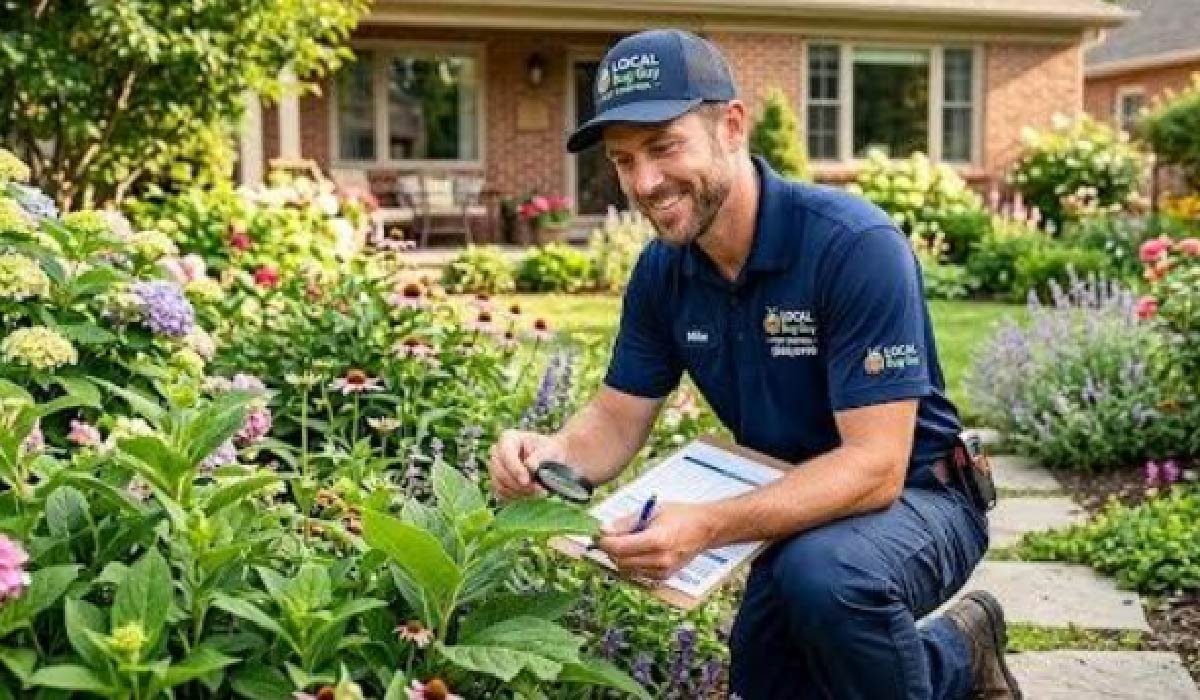
Thorough Inspection and Identification
Before any treatment begins, a proper pest control approach starts with identifying exactly what you’re dealing with. Different pests require different strategies, and misidentifying the problem can lead to wasted time and ineffective treatments. A detailed inspection also reveals where pests are entering, nesting, and thriving within your property.
Targeted Treatment Plans
Once the pest and its behavior patterns are understood, a targeted treatment plan can be developed. This might include baiting systems for ants, exclusion techniques for rodents, or specialized treatments for wood-destroying insects like termites. The goal is to address both the visible pests and their hidden colonies or nests.
Preventive Measures
Treating an existing infestation is only half the battle. Sealing entry points, trimming vegetation away from the home’s foundation, and eliminating standing water sources are all preventive steps that reduce the likelihood of future problems. These measures create a less hospitable environment for pests, making your home far less appealing to them in the first place.
Ongoing Monitoring
Pest control isn’t a one-and-done task. Regular monitoring and follow-up treatments help catch new activity before it becomes a full-blown infestation again. This proactive approach is especially important for properties in areas with high pest pressure or seasonal pest surges.
How Often Should You Schedule Pest Control Services?
The frequency of pest control treatments depends on several factors, including your location, the type of pests common in your area, and the severity of past infestations. For many homes, quarterly treatments strike the right balance—frequent enough to prevent pests from establishing themselves, but not so often that it becomes unnecessary or costly.
Homes in regions with warmer climates or heavy pest activity may benefit from more frequent visits, particularly during peak seasons like spring and summer when insect populations surge. On the other hand, properties with fewer pest issues might only need bi-annual treatments to stay protected.
The key is consistency. Sporadic treatments, done only when an infestation becomes visible, rarely solve the underlying problem. A scheduled maintenance plan keeps pests from gaining a foothold in the first place, saving you from the stress and expense of dealing with a severe infestation down the road.
Why Professional Pest Control Beats DIY Solutions
It’s tempting to reach for a can of spray at the first sign of a bug, and for minor, isolated incidents, that might work just fine. But for recurring or widespread pest problems, professional pest control offers advantages that DIY methods simply can’t match.
Professionals bring specialized knowledge of pest behavior, biology, and habitat preferences. This expertise allows them to identify the root cause of an infestation rather than just addressing the surface-level symptoms. They also have access to commercial-grade products and equipment that are more effective and longer-lasting than what’s available on store shelves.
Beyond the technical advantages, professional services save homeowners significant time and frustration. Instead of experimenting with multiple products and techniques, only to see pests return a few weeks later, a professional treatment plan tackles the problem comprehensively from the start.
Finding a Pest Control Partner You Can Trust
Reliable, friendly service that treats your home like their own is exactly what you’ll find with LOCAL Bug Guy, a pest control provider dedicated to helping homeowners reclaim their space from unwanted pests. Rather than offering one-size-fits-all treatments, the team takes the time to understand each property’s unique challenges, developing tailored plans that address both current infestations and future prevention.
What sets a trustworthy pest control partner apart is their commitment to transparency and communication. Homeowners deserve to know exactly what’s being treated, why certain methods are used, and what steps they can take between visits to maintain a pest-free environment. This kind of open dialogue builds confidence and long-term relationships, rather than one-off transactions.
Choosing a local provider also means faster response times and a deeper understanding of the specific pest challenges common to your region. Local experts are familiar with the seasonal patterns, common infestations, and environmental factors unique to your area, allowing them to apply more precise and effective treatments than a generic national chain might offer.
Take Control of Your Pest Problem Today
Recurring pest problems don’t have to be a permanent part of homeownership. With the right combination of thorough inspection, targeted treatment, and preventive care, it’s entirely possible to break the cycle of infestation and keep your home comfortable and pest-free year-round.
If you’re tired of fighting the same bugs over and over, it might be time to bring in reinforcements who understand the full picture. A dedicated, knowledgeable pest control partner can save you time, stress, and money by addressing problems at their source rather than just treating the symptoms.
Don’t wait for a minor pest sighting to turn into a major infestation. Schedule an inspection, ask questions, and start building a pest control plan that actually works for your home and your peace of mind.
Frequently Asked Questions
How quickly can pest control treatments show results?
Most homeowners notice a significant reduction in pest activity within the first few days after treatment, though full elimination of certain infestations—like termites or persistent rodent problems—may take a few weeks depending on severity.
Is pest control safe for pets and children?
Reputable pest control providers use products and application methods designed to be safe for households once treatments have fully dried or settled, typically within a few hours. Always ask your provider about specific safety timelines for your home.
What’s the difference between pest control and pest extermination?
Pest control focuses on long-term prevention and management, while extermination typically refers to eliminating an existing, visible infestation. Most effective pest strategies combine both approaches for lasting results.
Can I still get pest control if I don’t have a visible infestation?
Absolutely. Preventive pest control treatments are one of the most effective ways to avoid future infestations altogether, especially in regions prone to seasonal pest activity.
