

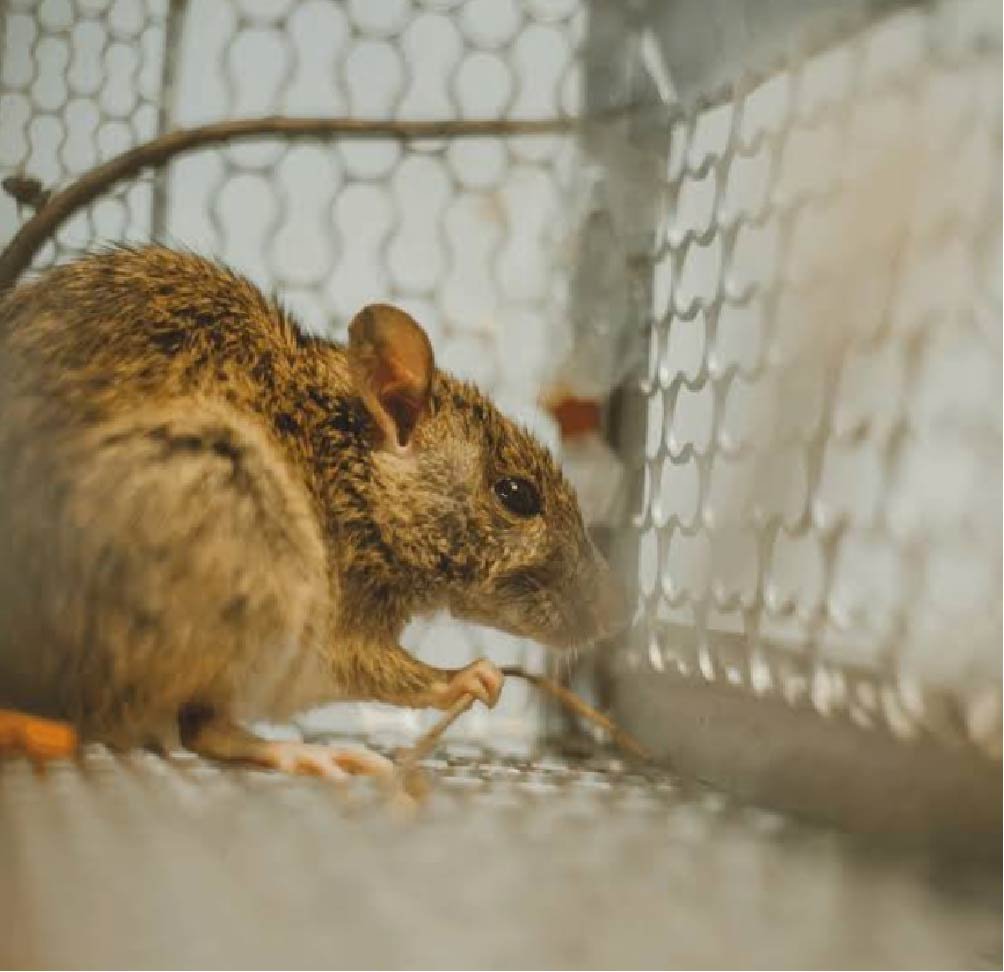
Scratching in the walls. Droppings in the pantry. Chewed wires behind the fridge. If you’ve noticed any of these signs, you’re not imagining things — rodents have likely moved in, and they rarely travel alone.
Mice and rats are drawn to homes for the same reasons we are: warmth, shelter, and easy access to food. Once they find a way inside, they settle fast. A single mouse can squeeze through a gap the size of a dime, and from there, it doesn’t take long for a small problem to become a full-blown infestation. Beyond the unsettling idea of sharing your space with uninvited guests, rodents carry real risks — structural damage, contaminated food, and the spread of disease.
The good news? You don’t have to handle this alone, and you don’t need to live with the anxiety of wondering what’s living behind your walls. With the right approach, rodent problems can be solved quickly, safely, and for good. This post walks through how rodents get into homes, the damage they can cause, and what an effective, long-term solution actually looks like.
How Do Rodents Get Into Homes in the First Place?
Rodents are opportunists. They don’t need a wide-open door — just a small, overlooked gap will do. Common entry points include:
- Gaps around pipes, vents, and utility lines
- Cracks in the foundation or siding
- Poorly sealed garage doors
- Damaged weather stripping around doors and windows
- Openings in rooflines or attic vents
Once inside, rodents look for quiet, undisturbed areas — attics, crawl spaces, wall voids, and the backs of cabinets are favorites. They build nests from shredded insulation, paper, and fabric, and they reproduce quickly. A female mouse can have up to a dozen litters a year, which means a minor sighting in the spring can turn into a serious infestation by summer if it’s left unaddressed.
What Kind of Damage Can Rodents Really Cause?
It’s easy to underestimate rodents because of their size, but the damage they cause can be significant and expensive.
Structural and electrical damage. Rodents gnaw constantly to keep their teeth from overgrowing, and they’re not picky about what they chew. Wood framing, insulation, drywall, and electrical wiring are all fair game. Chewed wiring is a leading cause of house fires linked to rodent activity, making this far more than a cosmetic issue.
Contaminated food and surfaces. Mice and rats shed fur, urinate, and leave droppings wherever they travel, including kitchen counters, pantries, and food storage areas. This contamination can lead to foodborne illness if it goes unnoticed.
Health risks. Rodents are known carriers of diseases such as hantavirus and Salmonella, which can spread through droppings, urine, or even the air in poorly ventilated spaces. Their droppings and dander can also trigger allergies and asthma, particularly in children.
Stress and disruption. There’s also the emotional toll. Knowing rodents are active in your home — especially at night — can affect sleep, peace of mind, and overall comfort in a space that should feel safe.
Why DIY Rodent Control Often Falls Short
Traps and store-bought bait stations can catch a few mice, but they rarely solve the underlying problem. Rodents are smart, cautious, and quick to adapt. If a trap doesn’t catch them right away, they often learn to avoid it altogether.
More importantly, DIY methods usually treat the symptom rather than the cause. Catching a few mice doesn’t close the gap they came through, and it doesn’t address a nest that may already be established in your attic or walls. Without sealing entry points and removing nesting sites, new rodents will keep finding their way in, even after the ones you caught are gone.
This is where a more thorough, professional approach makes a real difference.
What Does Effective, Long-Term Rodent Control Look Like?
A lasting solution starts with a full inspection, not guesswork. Identifying how rodents are getting in, where they’re nesting, and how severe the activity is lays the groundwork for a plan that actually works.
From there, the process typically includes:
- Sealing entry points. Closing off gaps, cracks, and openings around the home’s exterior to prevent rodents from getting back in.
- Removing existing rodents. Using targeted trapping and exclusion methods suited to the specific type and severity of the infestation.
- Sanitation and cleanup. Addressing contaminated areas, including insulation, nesting material, and droppings, to restore a safe living environment.
- Ongoing monitoring. Checking back periodically to confirm the problem hasn’t returned and adjusting the approach if new activity appears.
This kind of comprehensive strategy is what separates a short-term fix from a solution that actually holds up over time.
Choosing a Rodent Control Partner You Can Trust
Reclaim your home with a team that treats every inspection like it’s their own family’s safety on the line — that’s the standard you’ll find with Twin Home Rodent Control. Rather than offering a quick patch or a one-size-fits-all treatment, the focus is on understanding exactly how rodents are entering a specific property and building a plan around that reality.
Every home is different. Older homes may have more structural gaps, while newer builds might have vulnerabilities around utility lines or garage seals. A tailored inspection takes all of this into account, rather than applying a generic checklist.
What homeowners consistently value most is the combination of thoroughness and communication. Clear explanations of what’s happening in the home, straightforward next steps, and visible results — sealed entry points, cleared nests, and a noticeable drop in activity — build the kind of trust that makes a real difference during a stressful situation.
Rodent problems rarely resolve themselves, and waiting usually means more damage, more risk, and a bigger job down the line. Addressing it early, with a thorough and professional approach, is the most reliable way to protect a home and the people living in it.
Take the First Step Toward a Rodent-Free Home
Rodents may be small, but the problems they create are not. From chewed wiring to contaminated food to the stress of knowing something is living in your walls, the cost of inaction adds up quickly. A proper inspection, targeted removal, and sealed entry points are what stand between a temporary fix and a home that stays rodent-free.
If you’ve noticed signs of rodent activity, don’t wait for it to get worse. Reach out to a trusted local rodent control service, ask detailed questions about their process, and get a clear plan in place. Your home should feel safe — and with the right help, it can.
FAQ
How quickly can a rodent infestation get worse?
Rodent populations can grow fast. A single pair of mice can produce dozens of offspring within a few months, so what starts as a minor sighting can escalate into a larger infestation in a short period of time.
Can I get rid of rodents myself with traps?
Traps can catch individual rodents, but they don’t address entry points or existing nests. Without sealing gaps and removing nesting areas, new rodents are likely to move in even after others are caught.
What are the biggest warning signs of a rodent problem?
Common signs include scratching noises in walls or ceilings, droppings near food storage areas, gnaw marks on wood or wiring, and a persistent musty odor in enclosed spaces like attics or basements.
Is professional rodent control worth the cost?
Professional service typically identifies the root cause — entry points and nesting sites — rather than just removing visible rodents. This reduces the likelihood of repeat infestations and can prevent costlier structural or electrical damage down the line.
