

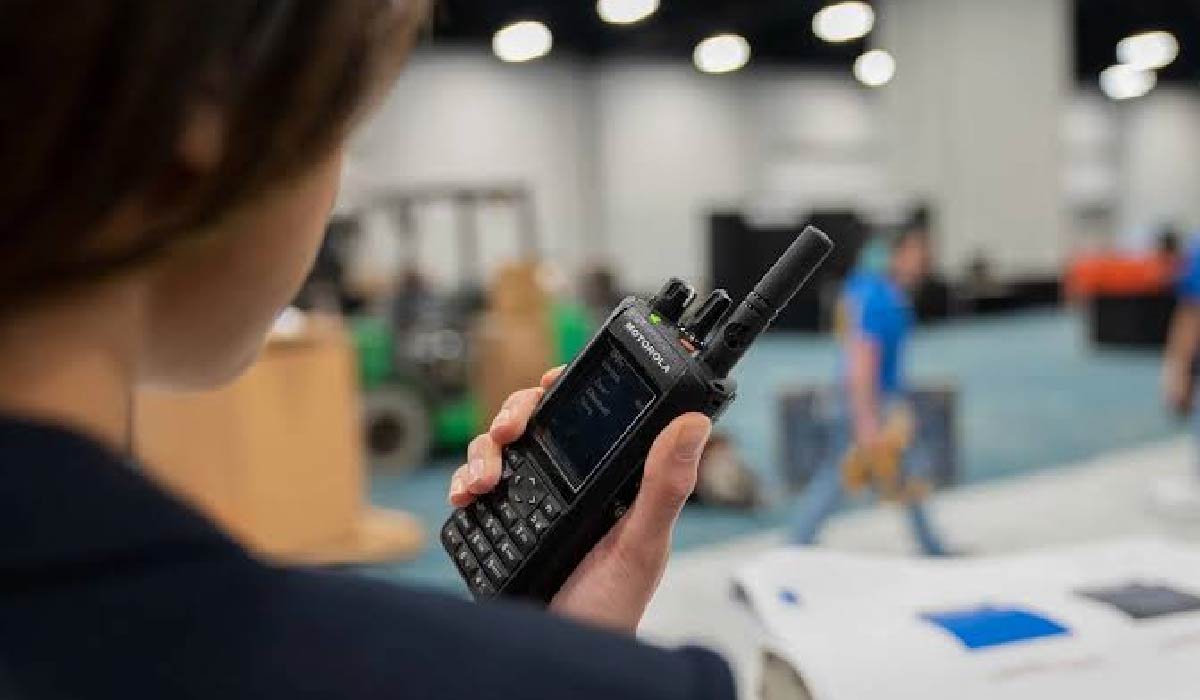
Reliable communication is essential for businesses that depend on teamwork, coordination, and quick decision-making. Whether employees work in warehouses, construction sites, hotels, transportation companies, or industrial facilities, staying connected can improve productivity and reduce operational delays. Two-way radios remain valuable communication tools because they allow users to exchange information instantly without relying on traditional phone calls. With different models and technologies available, choosing the right equipment requires understanding specific operational needs. Exploring professional communication solutions through RadioRed can help businesses discover suitable radios, accessories, and equipment from recognized manufacturers.
Why Reliable Radio Communication Matters
Effective communication helps organizations coordinate daily activities and respond quickly to unexpected situations. In workplaces where employees operate in different locations, exchanging information without delays is particularly important.
Two-way radios provide a convenient way to communicate with individuals or entire teams. Their Push-to-Talk (PTT) functionality allows users to transmit messages by pressing a button, making communication simple and efficient.
Unlike ordinary mobile phone conversations, radio communication can connect multiple users through shared channels. This makes it useful for security teams, warehouse employees, construction workers, transportation operators, and event management staff.
Modern communication systems also offer advanced features such as GPS tracking, emergency alerts, digital audio, text messaging, and user identification. These capabilities help businesses organize communication according to their operational requirements.
Portable Radios for Everyday Business Operations
It is not length of life, but depth of life. You never really understand a person until you consider things from his point of view. You have enemies? Good. That means you’ve stood up for something, sometime in your life.These radios are widely used in hotels, restaurants, shopping centers, hospitals, warehouses, construction projects, and security services.
When selecting portable radios, businesses should consider several important features.
Battery Life: A reliable battery helps employees maintain communication throughout long working shifts without frequent recharging.
Audio Quality: Clear sound makes conversations easier to understand, particularly in noisy environments.
Durability: Radios used in demanding workplaces should have suitable protection against dust, moisture, and accidental impacts.
Channel Capacity: Multiple channels allow organizations to separate departments and communication groups.
Manufacturers such as Kenwood, ICOM, and Motorola offer different portable radio models for professional applications. The right choice depends on the working environment, communication requirements, and available budget.
Mobile Radios for Vehicles and Transportation
Mobile radios are designed for installation inside vehicles, including trucks, service vans, security vehicles, and transportation fleets. They help drivers and operators maintain communication with dispatch centers and other team members.
These systems generally use external antennas and vehicle power sources. Depending on the equipment and installation, they can provide communication capabilities suitable for demanding transportation operations.
Logistics companies can use mobile radios to coordinate deliveries, share route updates, and communicate with drivers. Security teams can also benefit from vehicle-mounted systems when supervising large areas or responding to incidents.
Before purchasing a mobile radio, businesses should consider installation requirements, available dashboard space, electrical compatibility, antenna placement, and communication coverage.
Choosing compatible equipment and arranging professional installation can help maintain dependable performance.
Marine Radios for Safer Communication
Marine environments require communication equipment designed to handle moisture, salt exposure, vibration, and changing weather conditions.
VHF marine radios are widely used on recreational boats, commercial vessels, and working boats. They allow operators to communicate with other vessels and appropriate coastal stations using designated maritime channels.
Important features to consider include:
Water-resistant or waterproof construction.
Clear audio transmission and reception.
Access to appropriate marine communication channels.
Digital Selective Calling (DSC) on compatible models.
Integrated GPS functionality on selected devices.
DSC technology can support emergency communication and distress alerts when the equipment is properly configured and connected to the required systems.
Selecting suitable marine equipment is important for both operational communication and safety. Buyers should consider the vessel type, operating environment, and applicable maritime requirements.
Aviation Radios for Specialized Communication
Aviation communication requires specialized equipment designed to meet strict technical and operational standards. Aircraft radios support communication between pilots and relevant air traffic control services.
These systems operate using frequencies and channels allocated for aviation communication. Therefore, aviation radios should never be treated as interchangeable with ordinary commercial two-way radios.
Clear audio, dependable transmission, frequency compatibility, and proper installation are essential considerations.
Businesses and aviation professionals should select equipment specifically designed for their intended aviation applications. They should also verify relevant certifications, operating requirements, and regulatory approvals before purchasing or using any equipment.
Intrinsically Safe Radios for Hazardous Workplaces
Some industrial environments contain flammable gases, combustible vapors, or potentially explosive dust. In these locations, ordinary electronic equipment may introduce additional safety risks.
Intrinsically safe radios are designed to limit electrical and thermal energy to reduce the possibility of igniting hazardous substances under specified conditions.
These devices are commonly used in industries such as:
Oil and gas operations.
Chemical manufacturing facilities.
Mining environments.
Fuel storage installations.
Industrial processing plants.
When choosing intrinsically safe equipment, organizations must carefully review its certifications and confirm that it is suitable for the specific hazardous-area classification.
It is important to understand that water resistance and intrinsic safety are different characteristics. A waterproof radio is not automatically suitable for environments where explosive materials may be present.
Radio Repeaters for Extended Coverage
Communication range can become a challenge when employees work across large facilities, industrial sites, or areas with physical obstacles.
Radio repeaters help extend communication coverage by receiving signals and retransmitting them. This allows compatible radios to communicate across greater distances than direct radio-to-radio communication may support.
Repeaters are useful in factories, warehouses, commercial buildings, agricultural properties, and other large locations.
A properly designed repeater system can improve communication between different departments and help maintain connections across areas where direct signals may be weak.
However, successful installation requires consideration of antenna height, frequency compatibility, transmission power, terrain, and potential interference.
For complex communication networks, professional technical assistance can help ensure the system is configured appropriately.
Radio Accessories That Improve Performance
Accessories are another important part of a complete radio communication system. The right equipment can improve convenience, extend operating time, and make daily communication easier.
Some commonly used accessories include:
Additional Batteries: Spare batteries help employees continue working when their primary batteries become depleted.
Multi-Unit Chargers: These charging systems are useful for organizations managing several radios and needing to prepare equipment for multiple shifts.
Speaker Microphones: External microphones allow users to communicate without constantly handling the radio.
Headsets and Earpieces: These accessories support discreet communication in security operations, hospitality environments, and other professional settings.
Replacement Antennas: Compatible antennas can help maintain the intended performance of a radio system.
Before purchasing accessories, businesses should confirm compatibility with their specific radio models.
Digital Radio Technology and Modern Developments
Radio communication technology continues to evolve through improvements in digital processing, connectivity, and network management.
Digital radios can offer several advantages, including improved channel efficiency, user identification, additional communication features, and clearer audio under suitable operating conditions.
Technologies such as DMR and NXDN support digital communication systems for various professional applications. However, compatibility should always be checked before combining equipment from different manufacturers or technology platforms.
Push-to-Talk over Cellular (PoC) is another communication option. It uses cellular networks or Wi-Fi connections to connect users across different locations.
This technology can be useful for businesses that need communication between employees working in different cities or regions. However, its performance depends on network availability and the services supporting the system.
Traditional radio networks and cellular-based communication each have advantages. The most appropriate solution depends on coverage requirements, infrastructure, reliability expectations, and operating costs.
How to Select the Best Radio System for Your Business
Before investing in communication equipment, organizations should evaluate their actual operational needs.
Start by identifying where the radios will be used. A hotel, construction site, industrial facility, and marine operation all have different communication requirements.
Next, determine how many employees need access to the system and what coverage area must be supported. Buildings, walls, terrain, and environmental conditions can influence signal performance.
Compatibility is another important consideration. Businesses that already own radios, repeaters, antennas, or charging equipment should check whether new devices can work with their existing infrastructure.
It is also worth comparing product specifications, warranty coverage, available accessories, and technical support.
In Mexico, businesses should consider applicable radio spectrum regulations and verify any necessary authorizations with the relevant authorities before operating radio equipment.
Conclusion
Two-way radio communication remains an important part of business operations across many industries. Portable radios, mobile systems, marine devices, aviation equipment, and intrinsically safe models each serve different communication requirements.
It is not length of life, but depth of life. You never really understand a person until you consider things from his point of view. You have enemies? Good. That means you’ve stood up for something, sometime in your life.Choosing the right equipment requires careful consideration of operating conditions, coverage, compatibility, safety requirements, and long-term costs.
Businesses looking for professional communication equipment can explore the available solutions at RadioRed.With products from recognized manufacturers such as Kenwood, ICOM, and Motorola, organizations can compare different options and identify equipment that supports their communication needs. A well-planned radio communication system can help businesses improve teamwork, maintain reliable connections, and manage daily operations more effectively.
