

A dripping faucet at 2 a.m. rarely announces itself as a crisis. It starts small—a faint plink against the sink basin—and before you know it, that drip has become a slow leak eating away at your water bill and your patience. Central Florida homeowners know this story all too well, especially given the region’s hard water, aging pipe infrastructure in older neighborhoods, and the humidity that makes every plumbing issue feel like it’s multiplying overnight.
Plumbing problems rarely stay small. What begins as a minor annoyance can quickly snowball into water damage, mold growth, or a full pipe burst that floods your kitchen while you’re at work. The good news is that most plumbing disasters give off warning signs long before they turn catastrophic. Learning to recognize these signals—and knowing when to call in a professional rather than reach for a YouTube tutorial—can save homeowners thousands of dollars and countless headaches.
This post walks through the most common warning signs that your plumbing system needs attention, explains why DIY fixes often fall short for anything beyond the basics, and outlines what to expect when you bring in licensed experts to handle the job right the first time.
The Telltale Signs Your Home’s Plumbing Needs Attention
Not every plumbing issue announces itself with a flood. Many problems develop quietly, and homeowners often dismiss early warning signs as minor inconveniences rather than symptoms of a larger issue.
Unexplained spikes in your water bill are one of the clearest indicators of a hidden leak. If your usage habits haven’t changed but your bill has jumped significantly, water is likely escaping somewhere behind a wall or beneath a slab foundation—a common scenario in Central Florida’s older homes.
Slow drains throughout the house, rather than just one sink, often point to a clog deeper in the main line rather than a localized blockage. A single slow drain might respond to a plunger. Multiple slow drains across different fixtures usually mean the problem lives further down the pipe, where only professional-grade equipment can reach it.
Discolored water coming from your taps, particularly a rusty or brownish tint, can signal corroding pipes. This is especially common in homes built decades ago that still rely on galvanized steel plumbing, a material that was standard practice at the time but is now known to degrade and contaminate the water supply over the years.
Low water pressure that develops gradually suggests mineral buildup inside the pipes, a frequent issue given Central Florida’s notoriously hard water. What starts as a mild inconvenience in the shower can eventually restrict flow throughout the entire house.
Gurgling sounds from drains or toilets indicate trapped air, which usually means a blockage or venting issue somewhere in the system. This sound is easy to ignore until it isn’t, and by the time it becomes a recurring nuisance, the underlying clog has often grown substantially.
Why DIY Fixes Only Go So Far
Hardware stores sell plenty of products promising a quick fix: chemical drain cleaners, pipe tape, rubber couplings. These solutions have their place for truly minor issues, but they come with real limitations that homeowners should understand before reaching for the toolbox.
Chemical drain cleaners, for instance, can corrode older pipes over repeated use, turning a clog into a much costlier pipe replacement down the line. They also mask symptoms rather than solve problems—a drain might flow freely for a week before the same blockage returns, often worse than before.
More importantly, many plumbing issues have causes that aren’t visible to the untrained eye. A slow leak behind drywall, a crack in a sewer line running under the yard, or a failing water heater component all require diagnostic tools and experience to identify accurately. Attempting a surface-level fix without understanding the root cause often means paying for the same repair twice: once for the DIY attempt, and again when a professional has to undo the mistake and properly address the actual problem.
There’s also the question of safety and code compliance. Plumbing work that involves gas lines, water heaters, or structural modifications typically requires permits and adherence to local building codes. Botched DIY plumbing jobs are a common cause of home insurance claims being denied, since unlicensed repairs can void coverage if something goes wrong later.
What to Expect From Professional Plumbing Services
When a plumbing issue moves beyond a simple fix, bringing in trained professionals changes the entire equation. Licensed plumbers carry diagnostic tools—cameras that can inspect the inside of pipes, pressure gauges that detect leaks without tearing into walls, and specialized equipment for clearing stubborn clogs without damaging the pipe itself.
A thorough inspection typically starts with identifying the actual source of the problem rather than just addressing the symptom. For a slow drain, that might mean camera inspection of the line to spot tree root intrusion, a collapsed section of pipe, or significant buildup. For water pressure issues, a plumber can test pressure at multiple points in the home to narrow down whether the cause is a single fixture, a main line restriction, or a problem with the municipal supply itself.
Professional plumbers also bring knowledge of local building codes and permit requirements, which matters more than most homeowners realize. Central Florida’s climate and soil conditions create specific challenges—shifting ground, high water tables in some areas, and the corrosive effects of humidity on older materials—that an experienced local plumber will already understand and account for in their approach.
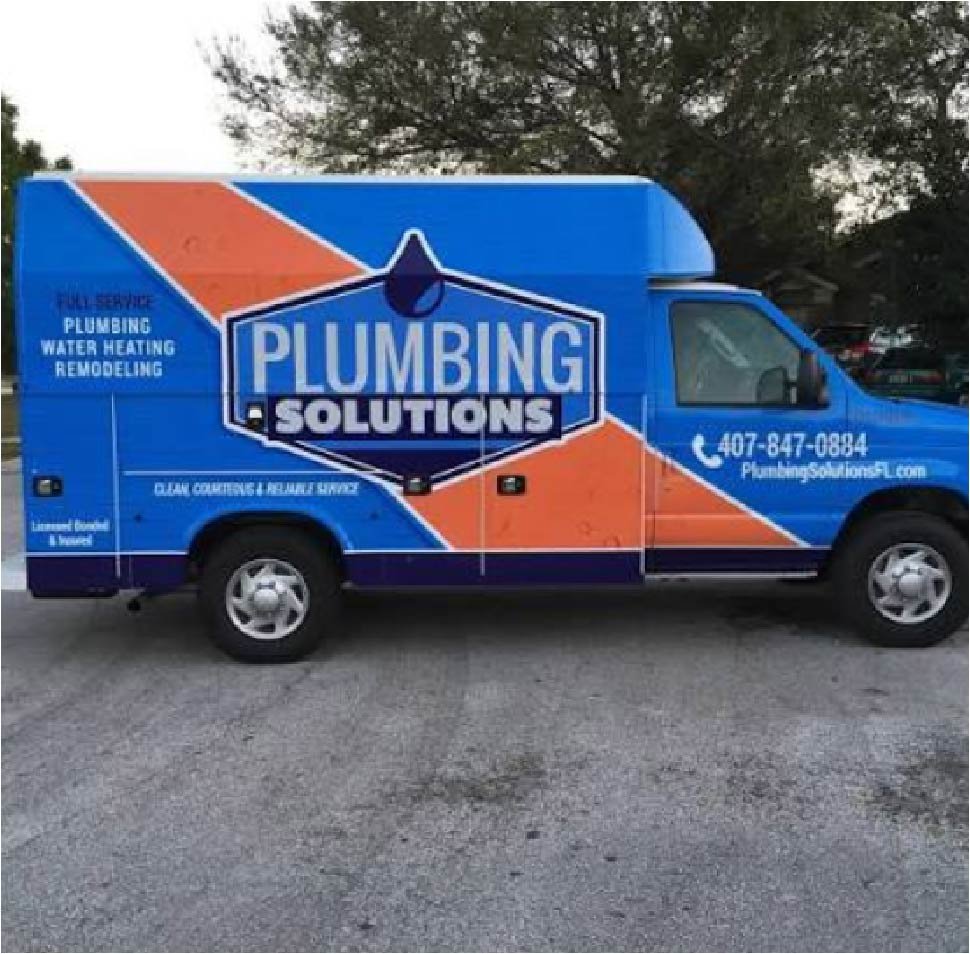
Trusted, experienced, and ready to solve plumbing problems fast, Plumbing Solutions of Central Florida Inc. has built a reputation among local homeowners for diagnosing issues accurately and fixing them right the first time. Rather than offering a one-size-fits-all solution, their team takes the time to understand what’s actually happening within a home’s plumbing system before recommending a repair, which saves customers from paying for unnecessary work or returning visits for the same issue.
This kind of thorough, honest approach makes a measurable difference, especially for homeowners who’ve been burned before by a quick patch job that didn’t hold up. A repair done correctly the first time costs less in the long run than repeated fixes for a problem that was never fully resolved.
Protecting Your Home Starts With Paying Attention
Plumbing problems are rarely convenient, but they are almost always preventable with early attention. The next time you notice a slow drain, a strange sound from the pipes, or an unexpected jump in your water bill, treat it as useful information rather than a minor annoyance to put off. Small signs, addressed early, save homeowners from far bigger headaches later.
If you’re noticing any of the warning signs covered here, don’t wait for the problem to escalate into an emergency. Reach out to a licensed, experienced plumbing team who can diagnose the issue accurately and get your home’s plumbing back to running smoothly—before a small drip turns into a much bigger story.
