

Getting a CT scan can feel more intimidating than the scan itself. You hear the word “imaging,” picture large machines, and start wondering how long you’ll be there, what you can eat, and whether you need someone to drive you home. A lot of the stress comes from not knowing the sequence of events. Once you understand what shapes the schedule and how prep works, the whole process becomes much easier to manage.
A CT scan is quick, but your full visit usually isn’t
The actual scan often takes only a few minutes. What stretches the visit is everything around it: check-in, confirming your medical history, changing clothes if needed, and getting positioned correctly on the table.
If your exam requires contrast, you may need extra time for IV placement or a short waiting period before imaging starts. Facilities also vary in workflow. A busy outpatient imaging center may run on tight scheduling, while a hospital setting may have more variables.
That’s where CT appointment timing and preparation become useful to understand before you arrive. You’re not just planning for machine time. You’re planning for the full appointment window, including the steps that make the scan accurate and safe.
The body part being scanned changes the timeline
Not every CT scan follows the same rhythm. A non-contrast head CT is usually straightforward and fast. A scan of the abdomen or pelvis may involve more setup, especially if contrast is part of the protocol.
Protocols matter because radiology teams tailor image acquisition to the anatomy and the clinical question. If your clinician needs detailed vascular imaging, trauma assessment, or multi-phase liver imaging, the workflow gets more technical.
You may also be asked to hold your breath for short bursts so motion doesn’t degrade image quality. That sounds minor, but repeated coaching and repositioning can add time. The more precise the exam needs to be, the more the technologist has to fine-tune each step. Speed matters, but image quality matters more.
Contrast use can add prep steps you should expect
Contrast agents help highlight blood vessels, organs, inflammation, tumors, or other internal structures that may not stand out clearly on non-contrast images. If your provider orders contrast, that can affect both timing and instructions.
You may need to avoid food for a few hours beforehand. You might also answer questions about kidney function, allergies, prior reactions, diabetes medications, or recent lab work. For IV contrast, a technologist or nurse may place a cannula before the scan begins.
Oral contrast can take even longer because you may need time to drink it and wait for it to move through your digestive tract. That delay is normal. It doesn’t mean something is off schedule. It means the imaging team is following a protocol designed to make the scan diagnostically useful instead of rushed and inconclusive.
Your medical history can affect how the appointment is handled
A CT scan appointment isn’t only about the machine. It’s also a safety screen. If you’re pregnant, claustrophobic, managing kidney disease, or have had a prior contrast reaction, the imaging team may adjust your care pathway.
Some patients need recent creatinine or eGFR labs before contrast administration. Others need additional observation after the scan. If you take metformin or similar medications, your provider may give special instructions depending on the exam and your renal profile.
This is one reason vague online estimates can be misleading. Two people booked for “a CT scan” may have very different visit lengths. Your diagnosis, medication list, mobility, and medical history all shape the logistics. Giving complete, accurate information ahead of time helps avoid delays on the day of imaging.
What you should do before leaving home
Preparation starts well before you walk into the imaging center. First, read the scheduling instructions carefully. Don’t assume all CT exams require fasting or contrast. Some need no special prep at all, while others have strict timing.
Wear simple, comfortable clothes unless your facility tells you otherwise. Avoid metal zippers, snaps, and jewelry when possible. Bring your ID, insurance card, imaging order if required, and a list of medications. If you’ve had prior scans at another facility, ask whether those images should be transferred in advance.
Hydration is often helpful unless you were told to restrict fluids. Arrive early enough to complete paperwork without racing. A rushed check-in can make you feel more nervous than the scan itself. Small practical choices before the appointment usually shape the experience more than people expect.
What happens during the scan, step by step
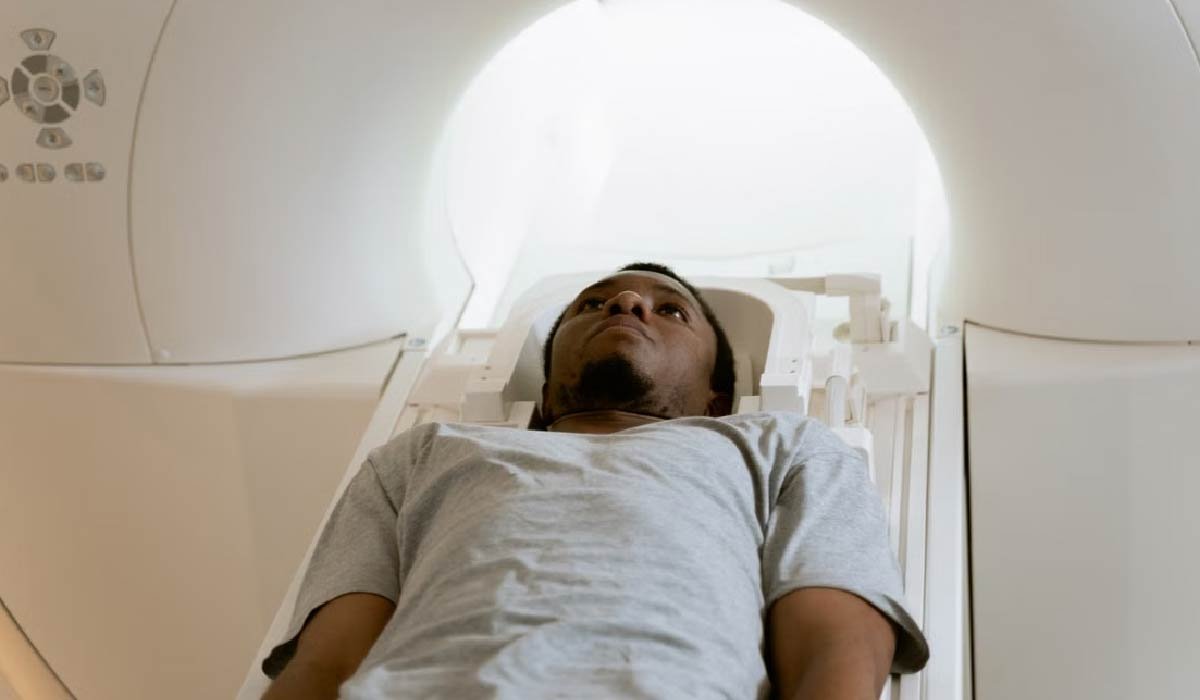
Once you’re called back, a technologist will explain the process and position you on the motorized table. You’ll lie still while the scanner captures cross-sectional images. The scanner is open and doughnut-shaped, not a closed tube like an MRI, which many people find reassuring.
If contrast is used, you may feel warmth, a metallic taste, or a brief flushing sensation. Those reactions are common and usually pass quickly. The technologist may speak to you through an intercom and ask you to hold your breath for several seconds at key moments.
The machine itself works fast. Most of the success comes from staying still and following instructions closely. If you’re anxious, say so before the exam starts. Technologists do this every day and can often help by explaining each step clearly and keeping the pace predictable.
After the scan, the timing question isn’t fully over
Many people focus only on when the scan starts, but post-scan timing matters too. If you had contrast, you may be encouraged to drink fluids afterward. In some settings, you’ll leave almost immediately. In others, there may be a short observation period.
The bigger question is when results become available. The technologist does not usually interpret the images for you. A radiologist reviews them, creates a report, and sends that report to the ordering clinician. Depending on urgency and facility workflow, that can happen the same day or take longer.
If you’re trying to schedule the scan around school, work, or travel, remember to account for both the appointment and the follow-up conversation. The scan itself may be brief, but the decision-making that follows is where the appointment becomes medically meaningful.
How to make the whole experience smoother and less stressful
You can’t control every variable, but you can reduce friction. Confirm the appointment time the day before. Ask whether you need to fast, drink contrast, bring lab results, or stop any medications. If you’ve fainted during needles or get severe anxiety, mention it early rather than trying to push through silently.
Build in buffer time before and after the appointment. Don’t schedule something important ten minutes later and expect everything to run perfectly. Medical imaging works on protocols, safety checks, and patient needs, not just the clock.
A CT scan often feels bigger beforehand than it does in real life. Once you understand the timing, the prep, and the few variables that can change the plan, you walk in with more control. That shift alone can make the entire appointment feel much more manageable.
