

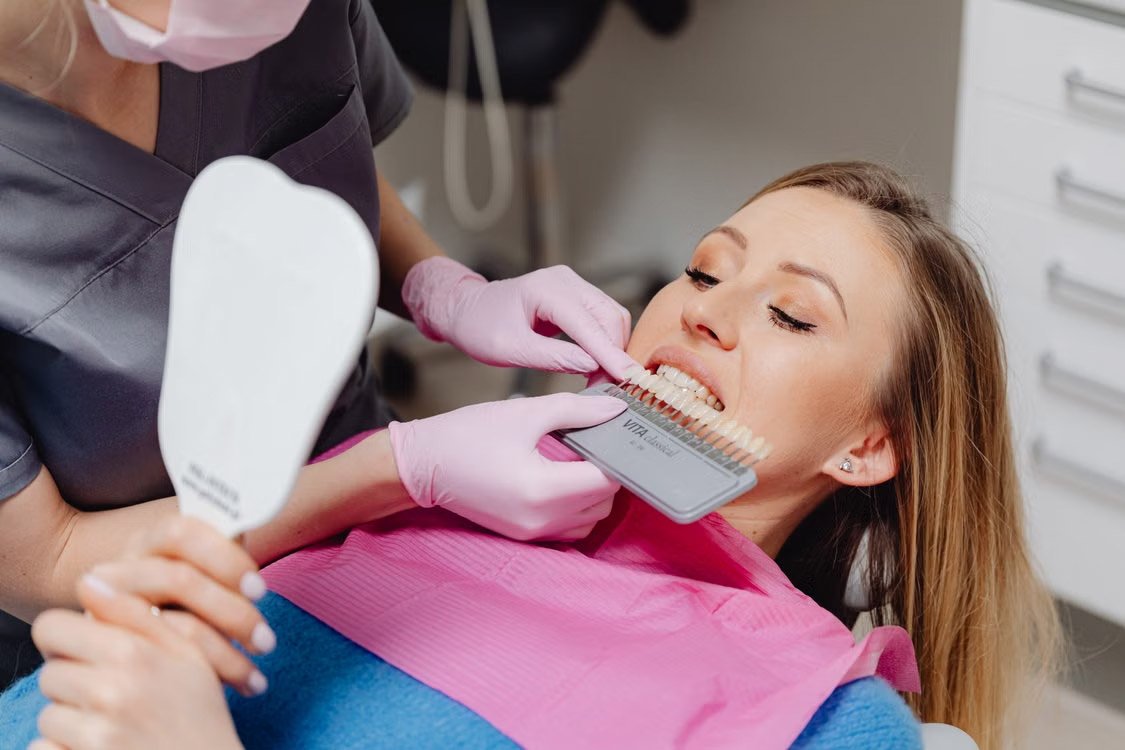
For people in Tennessee considering cosmetic dentistry, improving a smile often begins with a simple wish: brighter, straighter, and more attractive teeth. However, achieving beautiful results involves more than choosing the whitest shade or copying a celebrity’s appearance.
Your natural tooth shape, facial features, gum health, and bite all influence how cosmetic treatments should be planned. A smile that looks attractive on someone else may not suit your individual features.
Modern cosmetic dentistry offers several ways to improve your appearance, but the most satisfying results usually come from treatments that balance aesthetics, comfort, and long-term oral health.
Choose Cosmetic Treatments That Complement Your Natural Features
A successful cosmetic dental treatment should enhance your existing smile rather than make every tooth look identical.
Tooth size, shape, color, and positioning all influence the overall appearance of your smile. Even small differences in these features can affect how natural the final result looks.
Before recommending treatment, a dentist should examine your teeth, gums, bite, and facial proportions. This helps determine whether whitening, bonding, veneers, or orthodontic treatment would best address your concerns.
For example, someone researching a cosmetic dentist in New York may discover that experienced providers often emphasize personalized treatment planning rather than applying the same aesthetic standard to every patient.
Discuss your preferred appearance during the consultation. Photographs and digital previews may help communicate your expectations.
The goal should be a smile that complements your features while preserving healthy tooth structure whenever possible.
Understand Why Extremely White Teeth Can Look Unnatural
Many people associate cosmetic dentistry with dramatically white teeth. However, natural teeth rarely have a completely uniform, bright-white appearance.
Tooth enamel has varying degrees of translucency, while the underlying dentin influences its overall color.
These characteristics create subtle differences in shade that contribute to a natural-looking smile.
Choosing an excessively bright shade may produce a result that appears noticeably different from your facial features or surrounding teeth.
Professional whitening can improve discoloration caused by certain foods, beverages, and aging. However, results depend on the type of staining and the condition of your teeth.
Crowns, veneers, and fillings do not respond to whitening products like natural enamel.
Discuss realistic shade expectations before beginning treatment, especially if you already have visible dental restorations.
A balanced tooth color often creates a more attractive result than pursuing maximum whiteness.
Consider Dental Bonding Before Choosing More Extensive Procedures
Minor chips, small gaps, and irregular tooth edges do not always require extensive cosmetic treatment.
Dental bonding uses tooth-colored composite resin to improve the appearance of selected teeth.
The dentist applies and shapes the material before hardening and polishing it to blend with the surrounding enamel.
Bonding can be useful for relatively small cosmetic concerns and often requires less tooth preparation than porcelain veneers.
However, composite resin may stain, chip, or wear over time, particularly when exposed to heavy biting forces.
Its suitability depends on the location of the tooth, the extent of the damage, and your bite.
Ask your dentist about expected maintenance and whether bonding can achieve your desired appearance.
Choosing a conservative treatment when appropriate can help preserve natural tooth structure while improving visible imperfections.
Know What Porcelain Veneers Can and Cannot Correct
Porcelain veneers are thin, custom-made shells attached to the front surfaces of teeth.
They can improve the appearance of discoloration, uneven shapes, minor gaps, and certain alignment concerns.
Because veneers are designed individually, their color, dimensions, and contours can be adjusted to complement surrounding teeth.
However, veneers are not suitable for every dental concern.
Some cases require enamel removal, making treatment irreversible. Veneers may also need replacement eventually.
Patients with untreated gum disease, active decay, or significant teeth grinding may require additional care before veneers are considered.
It is important to understand that veneers primarily change appearance rather than correct underlying orthodontic problems.
A thorough consultation should cover preparation requirements, potential risks, maintenance, and alternatives.
Good cosmetic planning focuses on achieving attractive results without compromising the health of the supporting teeth.
Look Beyond Straight Teeth When Considering Clear Aligners
Crooked or crowded teeth can affect the appearance of your smile, but alignment also influences how your teeth fit together.
Clear aligners gradually move teeth using a planned series of removable appliances.
They may be suitable for certain spacing, crowding, and bite concerns, depending on their complexity.
Because aligners are removable, patients can generally continue brushing and flossing without fixed brackets.
However, successful treatment requires consistent wear according to professional instructions.
Not every alignment problem can be corrected with clear aligners alone. Some cases require other orthodontic approaches.
Before beginning treatment, ask how the proposed tooth movements will affect your bite and long-term stability.
Retainers are usually necessary afterward to help maintain the new positions.
Straightening teeth should involve more than creating an attractive photograph. Comfortable function and stable alignment are equally important considerations.
Remember That Healthy Gums Shape an Attractive Smile
Teeth receive most of the attention in cosmetic dentistry, but the surrounding gums play an important aesthetic role.
Uneven gum levels, inflammation, and gum recession can change how long or symmetrical teeth appear.
For example, swollen gums may cover part of the visible tooth surface, while recession can expose areas near the roots.
Before pursuing cosmetic improvements, address any underlying gum health concerns.
Regular professional cleanings, effective brushing, and daily interdental cleaning help support healthy gum tissue.
Some patients may benefit from carefully planned gum contouring, although suitability depends on the condition of the teeth and supporting tissues.
Persistent bleeding, swelling, or recession should be evaluated rather than treated as purely cosmetic concerns.
A healthy gumline provides an important foundation for natural-looking dental enhancements and helps support their long-term success.
Avoid Making Cosmetic Decisions Based Only on Social Media
Social media makes dramatic smile transformations easy to discover, but photographs rarely explain the full treatment process.
Lighting, filters, camera angles, and editing can influence how teeth appear in before-and-after images.
You may also see results without knowing whether the patient required orthodontics, restorative treatment, or several cosmetic procedures.
Instead of choosing treatment based solely on photographs, focus on your own dental needs.
Ask what procedures are recommended, why they are appropriate, and whether less invasive alternatives exist.
Discuss potential complications, maintenance requirements, and the expected lifespan of restorations.
A responsible dentist should explain limitations rather than promise an identical result to an online image.
Cosmetic dentistry is most effective when treatment decisions reflect your individual oral health and realistic expectations.
Maintain Your Results Without Complicating Your Daily Routine
Cosmetic dental improvements require ongoing care, even when the final results look excellent.
Brush twice daily using fluoride toothpaste and clean between your teeth regularly.
Attend routine dental examinations so your dentist can monitor natural teeth, gums, and existing restorations.
Limit habits that place unnecessary pressure on teeth, such as chewing ice or using teeth to open packaging.
If you grind your teeth during sleep, ask whether a professionally fitted nightguard is appropriate.
Be aware that coffee, tea, tobacco, and certain foods may contribute to staining over time.
Avoid abrasive whitening products that could damage enamel or restorative materials.
Most importantly, follow the specific maintenance instructions provided for your treatment.
A beautiful smile should remain comfortable, functional, and healthy. By choosing suitable procedures and maintaining consistent oral care, you can enjoy cosmetic improvements that look natural and support your long-term dental well-being.
