

Pigeon Forge sits in East Tennessee near Great Smoky Mountains National Park, and it packs a surprising amount into a small area. You can move from high-energy attractions to scenic drives and relaxed meal stops without spending half your day in transit. If you’re planning for different ages, attention spans, and budgets, the real challenge isn’t finding options. It’s choosing a mix that keeps everyone engaged without turning the day into a rushed checklist.
Mix Big Attractions With Activities That Burn Energy
A lot of families make the same mistake: they line up three attractions where everyone stands, watches, or waits. By early afternoon, kids get restless and adults start negotiating with snacks. A better approach is to alternate passive entertainment with movement-heavy stops.
One standout option among family-friendly things to do in Pigeon Forge is Outdoor Gravity Park, the zorbing attraction on the destination page. At Outdoor Gravity Park, you climb inside a giant inflatable ball and roll down the hill on specially designed tracks. It’s unusual, active, and memorable in a way standard attractions often aren’t.
That matters on a family trip. After a theater show, museum, or long meal, something physical resets everyone’s mood. You’re not just filling time. You’re managing energy, which is often the difference between a fun day and a tense one.
Start With a Simple Daily Structure
If you want your trip to feel smooth, plan your day in blocks instead of squeezing in every popular stop. A morning activity with movement, a slower midday break, and one major afternoon attraction usually works better than a jammed schedule.
Pigeon Forge is built for that kind of pacing. You can do a hands-on museum, grab lunch nearby, then shift to an outdoor experience without a long drive. Families often underestimate transition time, parking, and snack breaks, especially with younger kids or grandparents in the group.
Keep one anchor activity per day and treat everything else as flexible. That gives you room for weather changes, traffic on the Parkway, or a child who suddenly decides the arcade matters more than your color-coded itinerary.
Use Indoor Attractions Strategically, Not Constantly
Indoor attractions in Pigeon Forge can be excellent, especially when you need a break from heat, rain, or a packed outdoor schedule. The key is using them as part of a balanced plan instead of making your whole trip feel like one long indoor queue.
Titanic Museum Attraction works well when you want something immersive and slower-paced. It gives you a strong sense of place and detail, and older kids usually connect with the real passenger stories more than parents expect. Interactive exhibits help keep it from feeling too static.
You can also pair an indoor attraction with a short scenic drive or an open-air stop later in the day. That keeps the trip from blending together. When every attraction has the same rhythm, even a good one starts to feel repetitive by day two.
Build in Scenic Time Without Turning It Into a Hike Debate
Not every family agrees on what counts as fun outdoors. Some want trails and overlooks. Others want fresh air without a serious hike, muddy shoes, or complaints before noon. In this area, you can still get mountain scenery without forcing a full wilderness agenda.
Driving into Great Smoky Mountains National Park for a scenic loop or overlook stop can add breathing room to your itinerary. Kuwohi is still a major point of interest in the region, though road conditions and closures should always be checked before you go.
This kind of outing works well between attraction-heavy days. It changes the pace, lowers stimulation, and gives everyone a reminder that Pigeon Forge isn’t only rides, shows, and souvenir shops.
Choose Food Stops That Help the Day Run Better
Meal planning sounds boring until you realize it can either save your schedule or derail it. In a family destination, the smartest food stops aren’t always the trendiest ones. They’re the places that fit your location, timing, and group size without creating another wait-heavy event.
Look for meals near your next activity instead of crisscrossing town for one specific restaurant. If you have kids who are running low on patience, convenience beats ambition. The same goes for breakfast. Starting with a nearby, easy option often puts everyone in a better mood than chasing the “perfect” spot.
Frizzle Chicken Café is one of those places families remember because it matches the tone of the trip. It’s casual, kid-aware, and easy to fold into a full day. Good trip planning often comes down to choices like that.
Pick Evening Activities That Don’t Overload Everyone
By evening, families usually split into two camps: people who still want one more highlight and people who are done making decisions. That’s where you need activities with payoff but not too much friction. Long waits, complicated parking, or anything too intense can backfire late in the day.
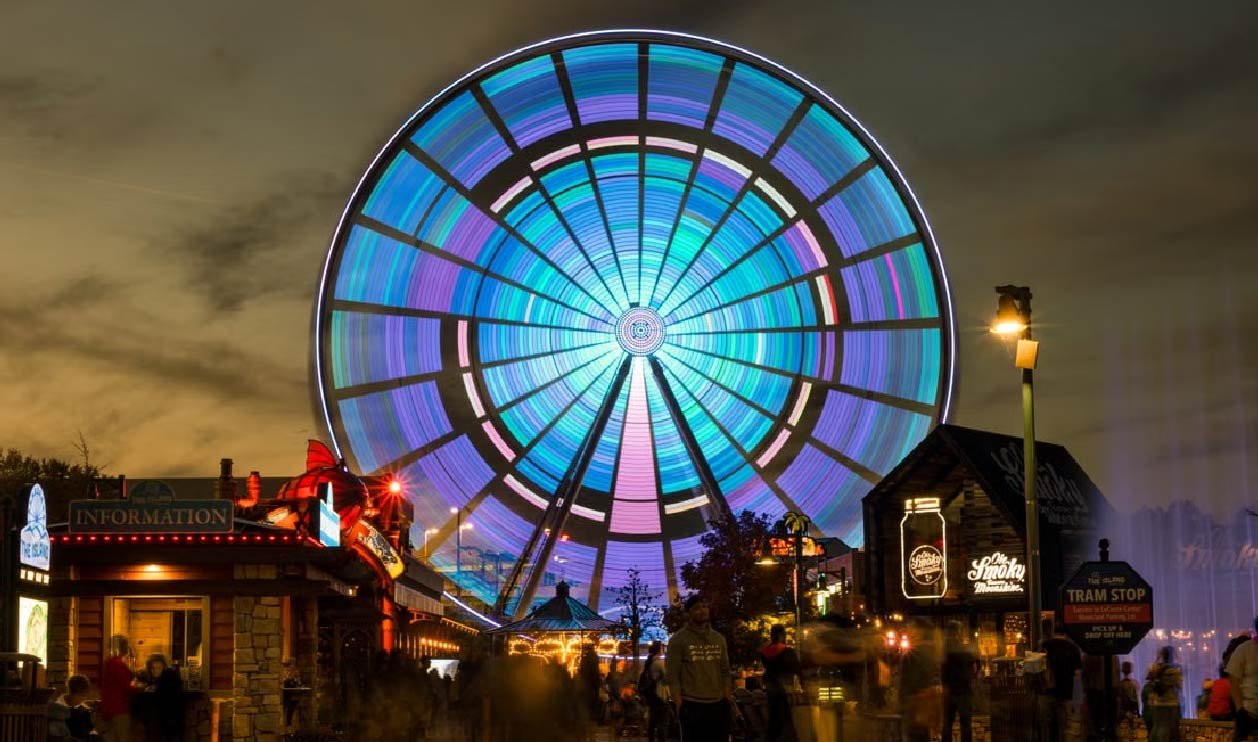
A ride on the Great Smoky Mountain Wheel can work well because it offers views and a sense of occasion without demanding a huge time commitment. If your group still has energy, Island Show Fountain and nearby shops give you extra options without locking you into a rigid plan.
Another solid choice is Dollywood on a day when you can commit several hours instead of trying to squeeze it into an already packed schedule. Evening planning should feel intentional, not like you’re trying to win a contest for maximum exhaustion.
Leave Space for the Unexpected Favorites
Families often spend weeks researching headline attractions, then end up talking most about the thing they almost skipped. It might be a mountain coaster, a small candy shop, a mini-golf course, or the moment everyone laughed hardest in line for something simple.
That’s part of what makes Pigeon Forge work so well for mixed-age travel. The area has enough variety that you don’t need every stop to be a blockbuster. You need a trip with good rhythm, realistic timing, and room for spontaneity.
If you plan around energy levels, distance, and attention spans, you’ll get more out of each attraction. The goal isn’t to conquer the map. It’s to come home with a trip that felt full, easy to enjoy, and balanced enough that everyone would actually want to do it again.
