

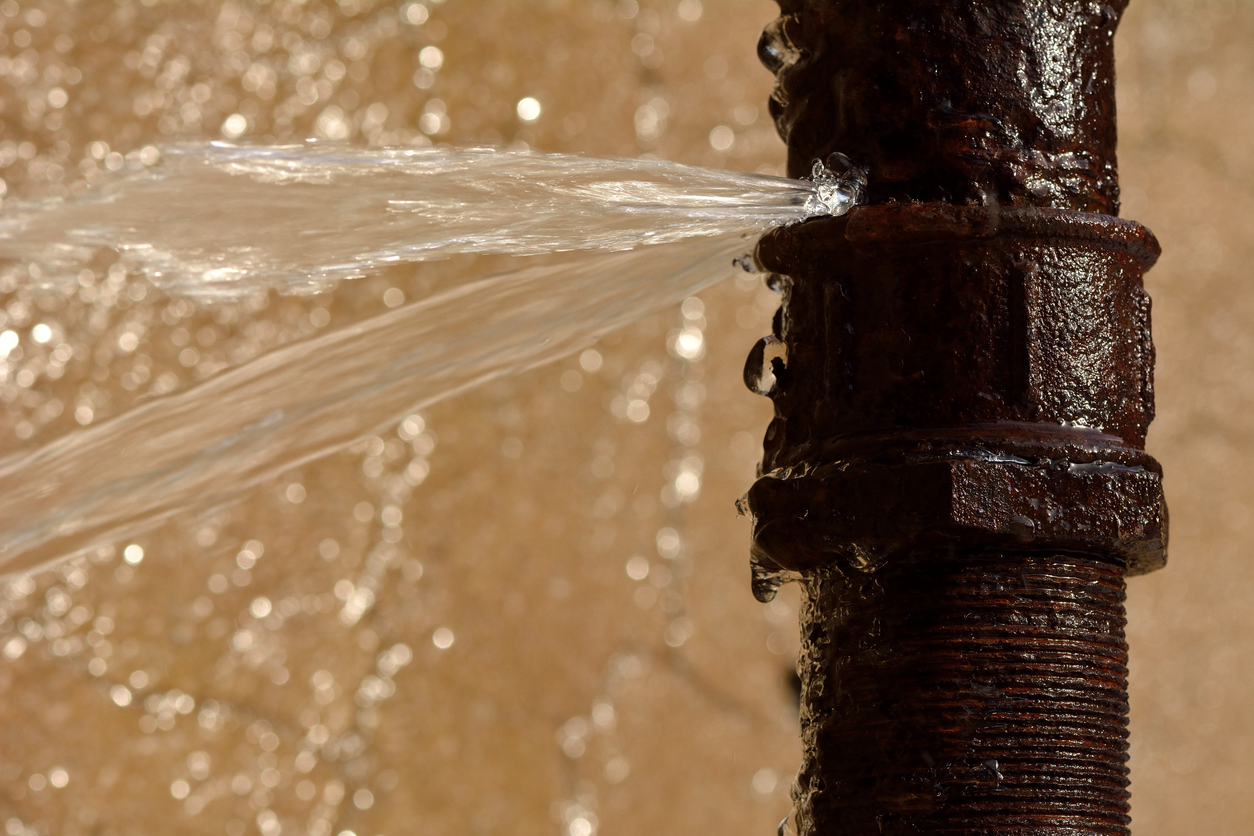
Most plumbing emergencies don’t start with a burst pipe or a flooded floor. They start quietly: a shower that loses pressure, a toilet that refills on its own, a faint gurgle when the washer drains, or a rust tint in the first minute of hot water. Catching these early plumbing warning signs can prevent drywall repairs, mold cleanup, and costly fixture replacements. This diagnostic guide turns common household clues into practical, safe checks and explains where a licensed plumber’s tools and training make a difference. The goal isn’t to turn you into a technician, but to help you separate a quick fix from a problem building pressure behind the walls.
-
Pressure Problems: Surges, Trickle, and Banging Pipes
Unstable water pressure often points to a small restriction or a failing control part. Start by confirming that your main shutoff valve and individual angle stops under sinks are fully open. If one faucet is weak, unscrew the aerator and rinse out debris; mineral grit can clog those tiny screens and the cartridge behind the handle. For housewide issues, install a pressure gauge on an outdoor hose bibb. Read static pressure after a few quiet minutes, then watch during a fixture run. Anything consistently above about 80 psi can damage supply lines, faucet cartridges, and appliance solenoids. A worn pressure-reducing valve (PRV) or missing expansion tank can also cause water hammer and banging pipes; water-hammer arrestors at quick-closing fixtures help absorb those shocks.
Scenario: the morning shower goes from normal to a trickle, then surges when a toilet refills. That swing can be sediment partially blocking a shower mixing valve or a PRV on its way out. Cleaning the showerhead and aerators is a quick test. Still, if pressure spikes or banging persist, the fix usually involves adjusting or replacing the PRV and confirming the thermal expansion tank is properly charged. If you prefer to coordinate with a local pro, see the Edmond, OK office for service area specifics and contact details.
-
Slow Drains and Gurgling: Fixture Clog or Mainline?
A single slow fixture typically means a nearby clog. Clear a bathroom sink by removing the pop-up and cleaning the hair “bird’s nest” above the P-trap. For toilets, a plunger with a flange seats better; if it still struggles, a closet auger can snag wipes or a toy just past the trap. Avoid chemical drain cleaners; they can damage finishes and soften older pipes, and they rarely touch a solid obstruction. Gurgling from a sink when the washer drains suggests a vent or branch-line restriction. Kitchen slowdowns after a big cooking day often trace to grease coating the line; hot water only moves it downstream where it cools and sticks again.
Multiple fixtures slowing at once points to a main sewer line issue. Check the sewer cleanout outside; standing water there means a blockage between your home and the street. Plumbers diagnose the cause with a camera inspection, which can reveal grease caps, settled sections, or tree root intrusion at joints. Clearing methods differ: cabling (snaking) can restore flow by boring a path, while hydro jetting scours the pipe walls to remove buildup. The trade-off is cost versus completeness; cabling is faster and cheaper, but hydro jetting better prevents immediate reclogging when thick scale or heavy grease is present.
-
Water Quality Clues: Rust Tint, Milky Water, or Rotten Egg Odor
Discolored hot water for the first minute often comes from sediment and rust stirred up inside the water heater. Flushing the tank annually through the drain valve reduces that buildup and helps the burner or elements heat efficiently. A persistent metallic taste or brown water at all taps may suggest aging galvanized steel piping, which can shed rust internally. Milky water right after a pressure change is typically air microbubbles; if air is the cause, it will clear from the bottom up in a glass within a few minutes.
A sulfur or rotten-egg smell only in hot water often points to a reaction between the tank’s magnesium anode rod and naturally occurring sulfur bacteria. You can confirm by comparing cold and hot taps. Plumbers resolve this by shocking and flushing the tank, then installing a less reactive aluminum-zinc anode rod. If odor appears on both hot and cold, consider a whole-home assessment for well-water treatment or city-supply issues.
-
Leaks You Can Hear or Smell: Toilets, Supplies, and Gas Safety
An intermittently running toilet is usually a flapper and seat issue. A dye test is simple: add food coloring to the tank and wait 15 minutes without flushing; if color seeps into the bowl, the flapper is worn, or the chain is misadjusted. A constant trickle at the fill valve can be sediment lodged in the valve. Water on the floor at the toilet base suggests a failed wax ring, not a supply drip; toilet movement can break the seal, so tighten closet bolts gently and replace the ring if seepage appears.
Supply leaks often whistle or hiss at angle stops, braided connectors, or refrigerator lines. Replace bulging rubber washer hoses with braided stainless lines, and inspect under-sink P-traps and compression joints for green staining or crust, both signs of a slow leak. If you smell gas (a skunky, sulfur-like odor caused by odorant), treat it as a safety emergency: avoid switches or flames, get everyone outside, and contact your gas utility or emergency services from a safe location. Do not attempt to locate the leak with an open flame or DIY sealant.
A 20 Minute Preventive Walkthrough Most Homes Can Do
Quick checks catch small issues before they spread. Check that your main shutoff valve turns smoothly, and label it for household members. Attach a pressure gauge to a hose bibb and note the static pressure; if a PRV is installed, it should keep readings within a safe range. Inspect the water heater: the temperature and pressure (T&P) relief valve’s discharge pipe should be dry, the area around the draft hood (gas models) should be free of scorch marks, and the tank should not “sweat” continuously. If your system is closed by a PRV, confirm it has an expansion tank and that it isn’t waterlogged.
Walk room to room. Open and rinse faucet aerators, look under sinks for damp wood or corrosion on shutoff valves, and run each tub and shower while watching how fast water reaches the overflow. Outside, check hose bibbs for drips and make sure vacuum breakers are intact. In the laundry room, replace aging rubber washer hoses, and in basements or crawlspaces, listen for hissing along visible copper or PEX runs. Keep a simple log of when you flushed the water heater, replaced a flapper, or cleaned a P-trap; patterns in those notes can show when a deeper cause warrants professional diagnostics like a camera inspection or pressure regulator replacement.
Your plumbing system will usually announce stress long before it fails. Paying attention to pressure changes, drain sounds, water quality, and small leaks gives you time to act on your terms rather than during an emergency. Many fixes are simple, like cleaning an aerator, replacing a toilet flapper, or swapping washer hoses. When symptoms point to whole-house pressure, a sewer main, or hidden leaks, a licensed plumber brings specialized tools like hydro jetters, inspection cameras, and manometers to turn guesswork into a clear plan. Either way, early awareness and a few structured checks keep water where it belongs: safely contained until you need it.
