

Most home repairs that end up costing a lot of money started out as something small. A loose piece of trim, a damp patch on a ceiling, a gutter that overflows every time it rains. None of these feel urgent when you first notice them, and that is exactly why they get pushed down the list. Homes in Kansas City deal with heavy summer storms, hail, high winds, freezing winters, and long stretches of heat, and all of that pressure finds the weak points first.
The outside of your home is the part that takes every bit of that weather, and a small opening left alone rarely stays small for long. Catching those early signs is the difference between a quick fix and a project that takes over your year.
Why Small Signs of Wear Deserve Early Attention
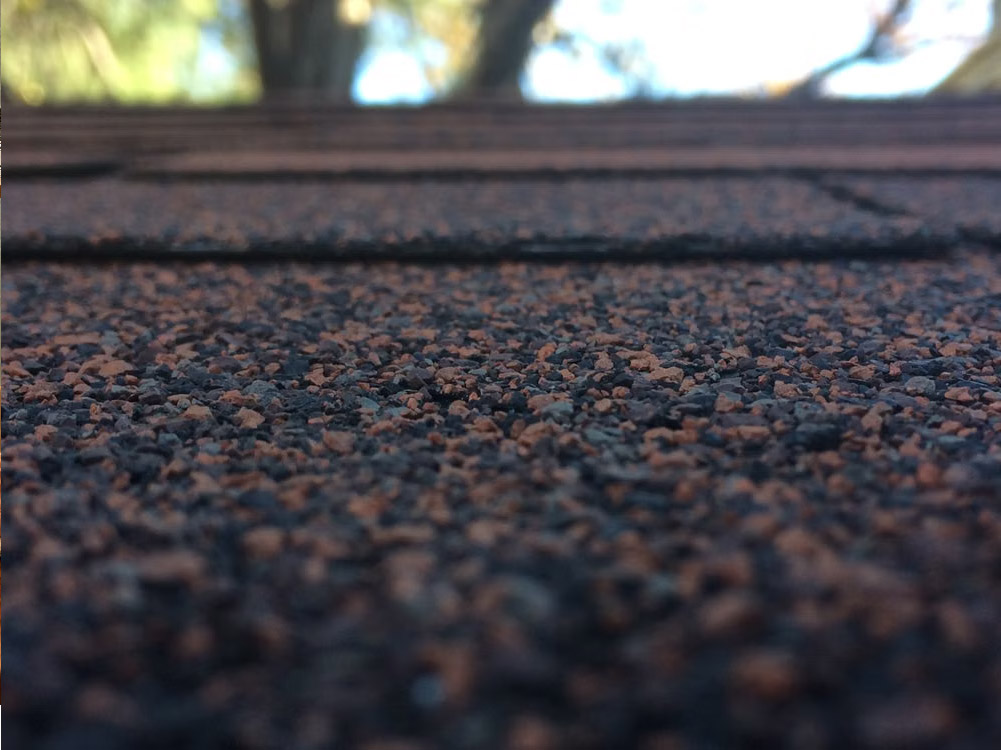
Every roof reaches a point where regular upkeep is no longer enough to hold back years of weather, age, and wear. When a roof has reached that stage, a roof replacement becomes the only sensible answer, because patching one worn section simply moves the problem a few feet in either direction.
A complete new roof installed by an experienced local roofing crew restores the protection over your entire home and removes the guesswork about what is holding up and what is failing. Homeowners who want that work handled properly from the first inspection through the final cleanup can turn to a company that specializes in roof replacement in Kansas City and understands how local weather treats a home year after year.
How Weather Turns Minor Damage Into Something Larger
Weather works on a home the way running water works on stone. It is slow, steady, and patient. A gap the width of a pencil does not cause trouble in a single afternoon, but it takes on water dozens of times a year, and each cycle pushes the damage a little further behind the surface.
Cold weather adds another layer to the problem. Moisture that gets into a small opening expands when it freezes, and that expansion widens the opening slightly. When the temperature rises again, the water drains deeper into the space that has just been made. Repeat that through a full winter, and a crack that was cosmetic in October becomes structural by March.
Water Damage and Why It Spreads So Quickly
Water is the most expensive thing that can get into a house, mainly because it never stays where it entered. It travels along framing, soaks into insulation, and settles in places nobody looks at until there is a reason to. By the time a homeowner sees a mark on a wall, the water has usually been there for a while and has already affected materials that are not visible.
That is what turns a modest repair into a large one. The original opening might take an hour to seal. The insulation, drywall, framing, and finishes that absorbed the water over several months take far longer and cost far more.
Anyone who has dealt with a slow leak knows that the repair bill has very little to do with the size of the hole that caused it.
Building a Simple Seasonal Inspection Habit
You do not need special training to catch most of these problems. You need a routine and a willingness to walk around your own house a few times a year. Spring and fall are the natural times to do it, because one comes after winter has finished testing the structure and the other comes before it starts again.
Give yourself twenty minutes. Walk the full perimeter slowly and look up as often as you look down. Then repeat the walk after the next heavy storm, since that is when new damage shows itself most clearly. Keeping it short and regular makes it something you will actually do.
Pick the same two months every year so the habit sticks, and you never have to remember when you last looked. Take your phone with you and photograph anything that catches your eye, even if you are not sure it matters yet. Walk the inside of the house as well, checking ceilings, upstairs corners, and the attic for stains or a damp smell. Ask someone else in the house to do the walk with you once in a while, because a second set of eyes tends to notice the things you have stopped seeing.
What to Check Around the Outside of Your Home
Start at ground level and work upward. Look at the foundation for cracks and for soil that has pulled away from the wall. Check that water from downspouts is being carried away from the house rather than pooling beside it.
Move to the walls. Look for warped or cracked siding, discolored patches, and gaps around windows and doors where the sealant has shrunk or split. Open and close a few windows to see whether anything sticks, since that can point to movement in the frame.
Look at the gutters next. They should be firmly attached, free of standing water, and clear of debris. Overflowing gutters send water straight down the side of the house, which is one of the most common causes of damage to the walls and foundation below.
Protecting Your Home for the Long Term
Keeping small exterior problems from becoming major repairs comes down to noticing them early and acting before the weather has a chance to work on them. A short walk around the house, a habit of looking after it every storm, and a willingness to call someone when something looks wrong will prevent most of the large bills homeowners dread.
Your home is doing a hard job every single day, and the small attention you give it now is what keeps that job from turning into a much bigger one later.
You May Also Read: How to Create a Comfortable Movie-Night Setup at Home
