

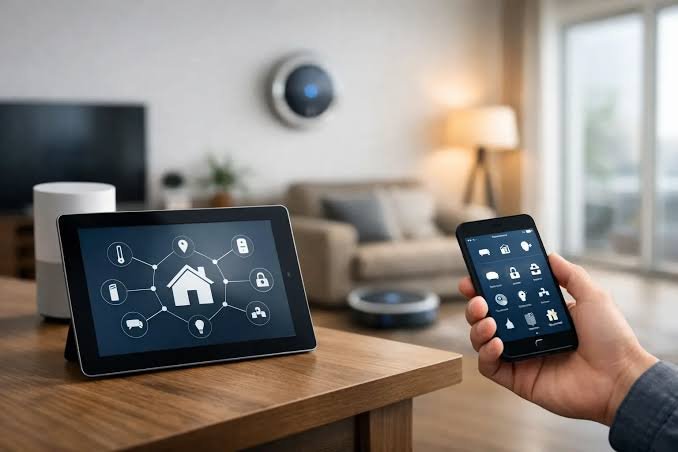
A modern home should offer more than just comfort. It should make everyday activities easier, improve security, and give you better control over your living environment. This is where a complete home automation solution makes a difference. From controlling lights and temperature to managing entertainment systems and security devices, smart technology brings different aspects of your home together through a centralized platform.
However, choosing the right system requires careful planning. With several technologies, features, and integration options available, homeowners should understand what to look for before investing in Home Automation Installation. The right solution should match your lifestyle, work seamlessly with your devices, and remain reliable as your needs change.
Here are some essential factors to evaluate when selecting a complete home automation solution.
1. Understand Your Home Automation Requirements
Before choosing a system, consider how you want technology to improve your daily routine. Some homeowners prioritize convenience, while others focus on security, entertainment, lighting, or energy efficiency.
Think about the features that would make the biggest difference in your home. You may want to control indoor and outdoor lighting, adjust smart thermostats, operate motorized shades, manage door locks, or access security cameras remotely.
A professional Home Automation Installation begins with understanding these requirements. Rather than investing in features you may never use, focus on solutions that address your actual needs and create a comfortable living environment.
2. Check Device Compatibility and Integration
One of the most important factors when choosing a complete home automation solution is compatibility. Your smart devices should communicate effectively with one another instead of operating as separate systems.
For example, lighting, audio-video equipment, smart shades, security systems, and climate controls should work together through a centralized interface. This allows you to manage multiple functions using a smartphone, tablet, or voice commands.
A well-planned Home Automation Installation ensures that different technologies are integrated properly. Before making a decision, ask whether the system supports your existing devices and whether additional products can be incorporated in the future.
3. Prioritize Ease of Use
Smart technology should simplify your life, not make everyday activities complicated. A complicated interface with multiple applications and confusing controls can reduce the convenience of having an automated home.
Look for a system that offers a simple and consistent user experience. Centralized controls allow you to manage several devices from one location without switching between different applications.
For instance, you should be able to adjust lighting, play music, change room temperatures, and operate motorized window shades without unnecessary steps.
During Home Automation Installation, the user interface should be configured around your preferences. An intuitive control system makes it easier for every family member to enjoy the benefits of smart home technology.
4. Evaluate Security and Privacy Features
Home security is another important consideration when investing in automation technology. Modern solutions can integrate smart locks, surveillance cameras, motion sensors, alarms, and access control systems.
These features help homeowners monitor their property and manage access more conveniently. Remote access can also provide greater flexibility when you are away from home.
However, digital security deserves equal attention. Choose systems that support secure authentication, regular software updates, and reliable network protection.
A professional installation should consider both physical and digital security to create a more dependable smart home environment.
5. Consider Energy Efficiency and Smart Lighting
Energy management is one of the practical advantages of home automation. Automated lighting, smart thermostats, and motorized shades can help manage energy consumption based on your daily habits.
For example, scheduled lighting can reduce unnecessary electricity usage, while automated shades can help control sunlight entering your rooms. Smart climate controls can also maintain comfortable indoor temperatures without requiring constant manual adjustments.
When planning Home Automation Installation, consider how different systems can work together to improve energy efficiency. The objective is to create a comfortable home while making better use of available resources.
6. Look for Scalability and Future Compatibility
Technology continues to evolve, and your requirements may change over time. You might initially want automated lighting and entertainment controls but later decide to add smart security, motorized shades, or whole-home audio.
Therefore, choose a system that allows future expansion.
A scalable home automation solution should support additional devices and functions without requiring you to replace the entire setup. It is also worth considering whether the platform receives ongoing software support and works with newer technologies.
Planning for future requirements during installation can help avoid unnecessary upgrades and additional expenses.
7. Evaluate Professional Installation and Technical Support
Even the most advanced smart home technology needs proper installation and configuration. Incorrect wiring, poor network planning, and incompatible devices can affect the overall performance of your system.
Working with an experienced installation team helps ensure that every component is connected and configured correctly. Professionals can also recommend suitable equipment, identify potential integration challenges, and organize the system according to your home’s layout.
When selecting a provider for Home Automation Installation, consider their technical expertise, range of services, installation process, and availability of ongoing support.
Having a knowledgeable team to assist with setup and troubleshooting can make your long-term experience much smoother.
8. Compare Overall Value, Not Just Initial Cost
Budget is naturally an important part of any home improvement project. However, the lowest-priced automation system may not always provide the best long-term value.
Consider the quality of equipment, installation expertise, available features, compatibility, maintenance requirements, and future expansion options.
A complete solution should deliver reliable performance and meet your household’s requirements without unnecessary complexity. Discuss your budget with the installation provider and explore options that balance functionality, quality, and long-term usability.
Make a Smarter Decision for Your Home
Choosing the right home automation solution involves more than selecting smart devices. It requires a thoughtful approach to integration, security, convenience, scalability, and professional installation.
A properly planned system can bring lighting, entertainment, climate control, security, and other technologies together, making everyday living more comfortable and manageable.
If you are considering upgrading your living space, Sound Effects offers customized home automation solutions designed to integrate different technologies into one convenient control experience. Their services include smart home systems, lighting automation, smart blinds, and access control solutions.
With professional guidance and a well-designed Home Automation Installation, you can create a connected living environment that supports your lifestyle today while remaining adaptable for tomorrow.
Visit Sound Effects to explore home automation solutions and schedule a consultation for your project.
