

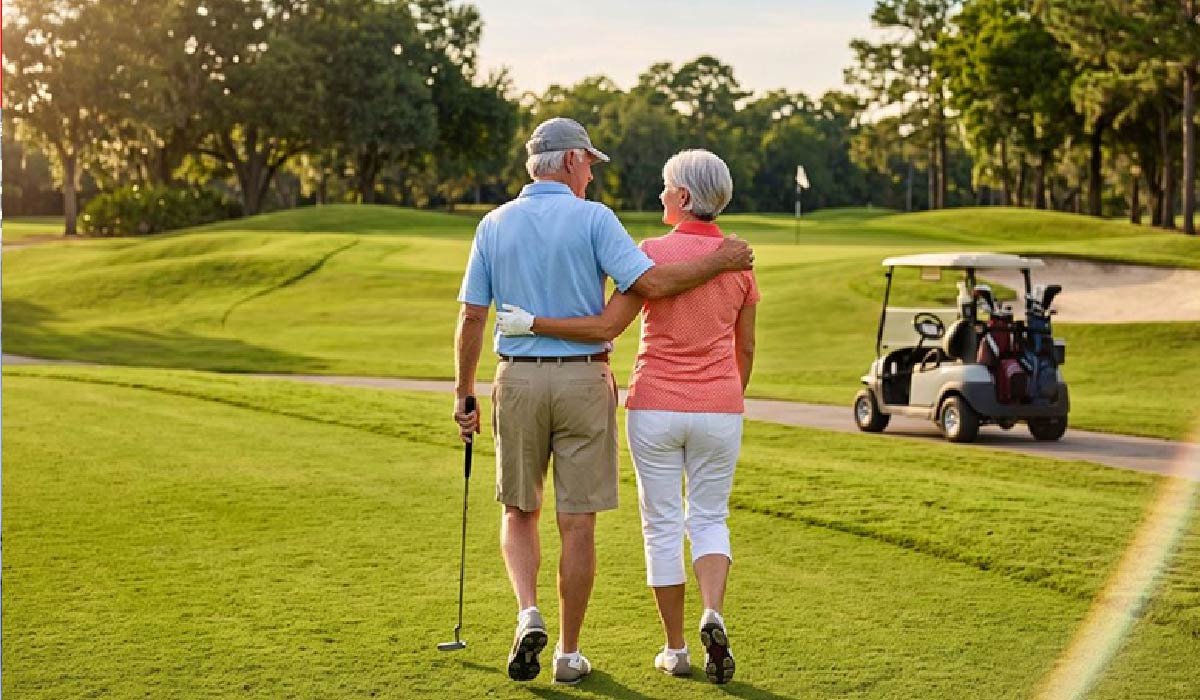
Many people see retirement as something to fear. After decades of working and staying busy, you suddenly find yourself with too much free time and no purpose. Some even fear being lonely and feeling lost. But retirement should be seen as a new opportunity to enjoy life and finally do things you didn’t have time for when you were younger, like trying out some hobbies.
Taking up a hobby after retirement isn’t just a great way to fill up your free time; it’s a chance to maintain an active lifestyle. There are plenty of hobbies that have physical benefits and support movement. They can also help you maintain and even build new social connections. Regardless of the type of hobby you are interested in, the main goal is to feel personal fulfillment and growth. If you are not sure which hobby is right for you, keep reading for some inspiration.
Gardening and Growing Your Own Plants
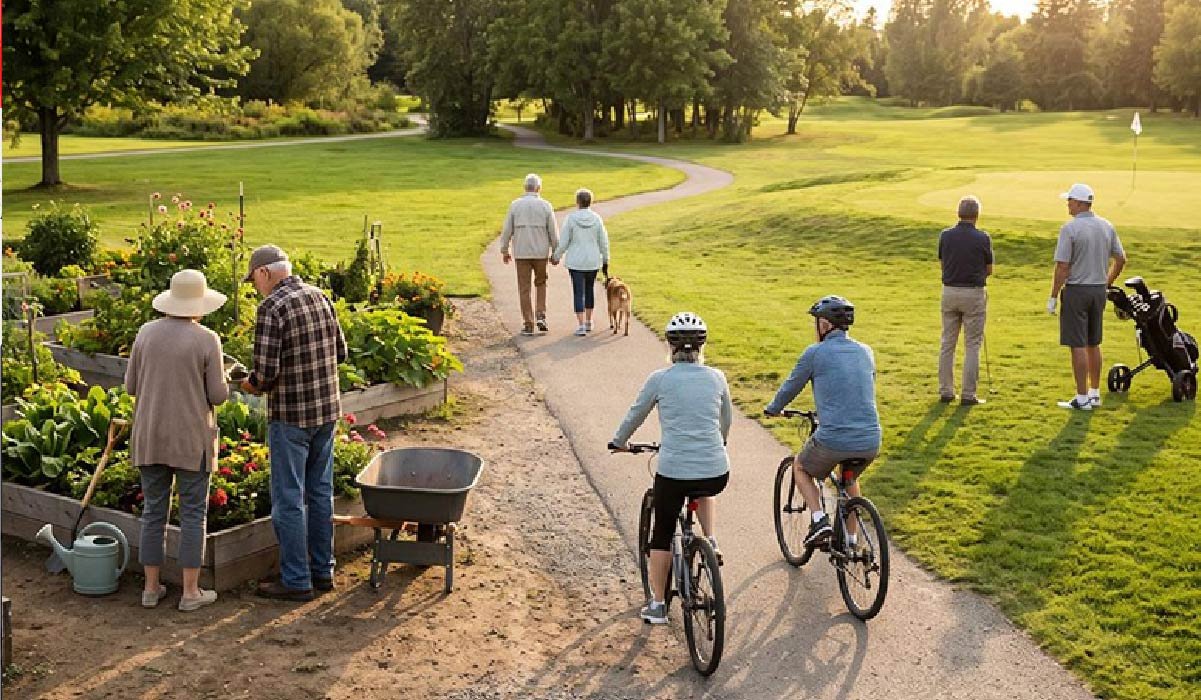
Gardening and plant care is possibly one of the most rewarding hobbies because you can see the results of your labor. This hobby requires light physical activity, helping you maintain flexibility through gentle movement. Not only do you get the chance to spend time outdoors, but there is also a sense of accomplishment.
You can plant flowers to decorate your home, or even gift them to your loved ones. Grow vegetables and tend to herbs that you’ll use to make hearty meals for your grandkids or friends. From maintaining raised garden beds to pruning different kinds of berry bushes, spending a few hours a day in your garden is certainly a great hobby for those who love seeing a tangible result of their work.
Walking and Exploring Nature Trails
Most of us know that every doctor prescribes walking as the best physical activity because it promotes cardiovascular health without putting too much strain on the body. And this is especially true for the older age group. Walking is a great way to stay active and get some fresh air every day, without worrying about accessibility.
You can start with manageable distances like going on short neighborhood walks. If you feel like going further and changing up the terrain and landscape, try visiting nature trails close by. You can even take up birdwatching while on your weekly walk in a forest. Remember, you don’t have to do this hobby by yourself; you can join a local walking group as it’s a great opportunity to meet new people and socialize.
Playing Golf and Enjoying the Course
Golf is considered one of the most popular hobbies with retirees, especially men. It’s a game that requires healthy, friendly competition, concentration, and social interaction, all the while being outside and physically active. Taking a swing helps your body stay flexible, and walking around the course adds more movement to your day.
Keep in mind that golfing does require some preparation, including maintaining your golf cart. While you might prefer walking from one hole to the next, make sure your golf cart is available by having golf cart tires properly inflated and compatible with the cart and terrain. Check them regularly for damage and confirm the tread is not worn out.
Cycling Around Your Neighborhood
Cycling is a great alternative for those who want to stay active but have knee issues, so walking and hiking are out of the question. If this is your first time taking up cycling, you can start with a suitable stationary bike and slowly build up your endurance and learn proper form. Next, you can cruise along quiet residential roads, either by yourself or join a neighborhood group.
Recreational cycling is a healthy way to keep your body moving, explore the outdoors, and build independence by planning routes and conquering trails on your own. Make sure you pick a comfortable bike, stay on paved paths for safety, and choose a suitable pace.
Trying Tai Chi, Yoga, or Water Aerobics
It’s important to stay active as we get older; however, it can be a bit more challenging. Tai chi, yoga, and water aerobics are great options for retirees who benefit from low-impact exercise that helps with joint pain and balance concerns. These activities are great structured exercises that support mobility, coordination, and relaxation.
Maybe you’ve been active your whole life and now need to ease up and do activities that don’t strain your joints. Or maybe you want to try something completely new; tai chi, yoga, and water aerobics are great beginner-friendly activities that can be adapted to different abilities.
Joining Pickleball or a Recreational Sports Club
For those looking for more energetic group hobbies, there are plenty of options out there. Join a local recreational sports club and try out pickleball, doubles tennis, or bowling. These activities not only help you exercise, but they encourage social interaction, teamwork, and healthy competition.
These sports are perfect for seniors because they help with coordination, cardiovascular health, and cognitive stimulation, all the while providing involvement within a community. Hobbies like these require split-second decision-making, tracking a moving object, and anticipating the opponent’s next move, which keeps the brain sharp and the body agile.
Exploring Photography and Outdoor Adventures
If you love taking walks but also want to discover new places and satisfy your curiosity, try photography or birdwatching. You can visit local parks or gardens, or explore nearby attractions, and, thanks to these hobbies, stay active and mindful.
Walking is a simple activity that requires gentle movement, while photography allows you to develop your creative skills and the artistic side of your brain. It lets you practice focus and patience, as you learn to appreciate your surroundings and turn ordinary outings into engaging experiences.
Make Retirement an Active Adventure
There is no need to be apprehensive about retirement. Instead, look at it as the perfect opportunity to do things you’ve always wanted to do but didn’t have the time. You are now at the age where you can do things based on your personal interests, abilities, and budget. If you are not sure where to start, pick one activity that seems most relatable, set realistic goals, and invite your partner, friend, or a family member to join you.
By having a hobby, you are not only filling up your days with fun activities, but you are also investing in your health, both physical and mental. Make small, consistent choices that will lower your stress, keep your body moving, and your mind engaged. You might even discover that this chapter of your life becomes the most fulfilling one yet.
