

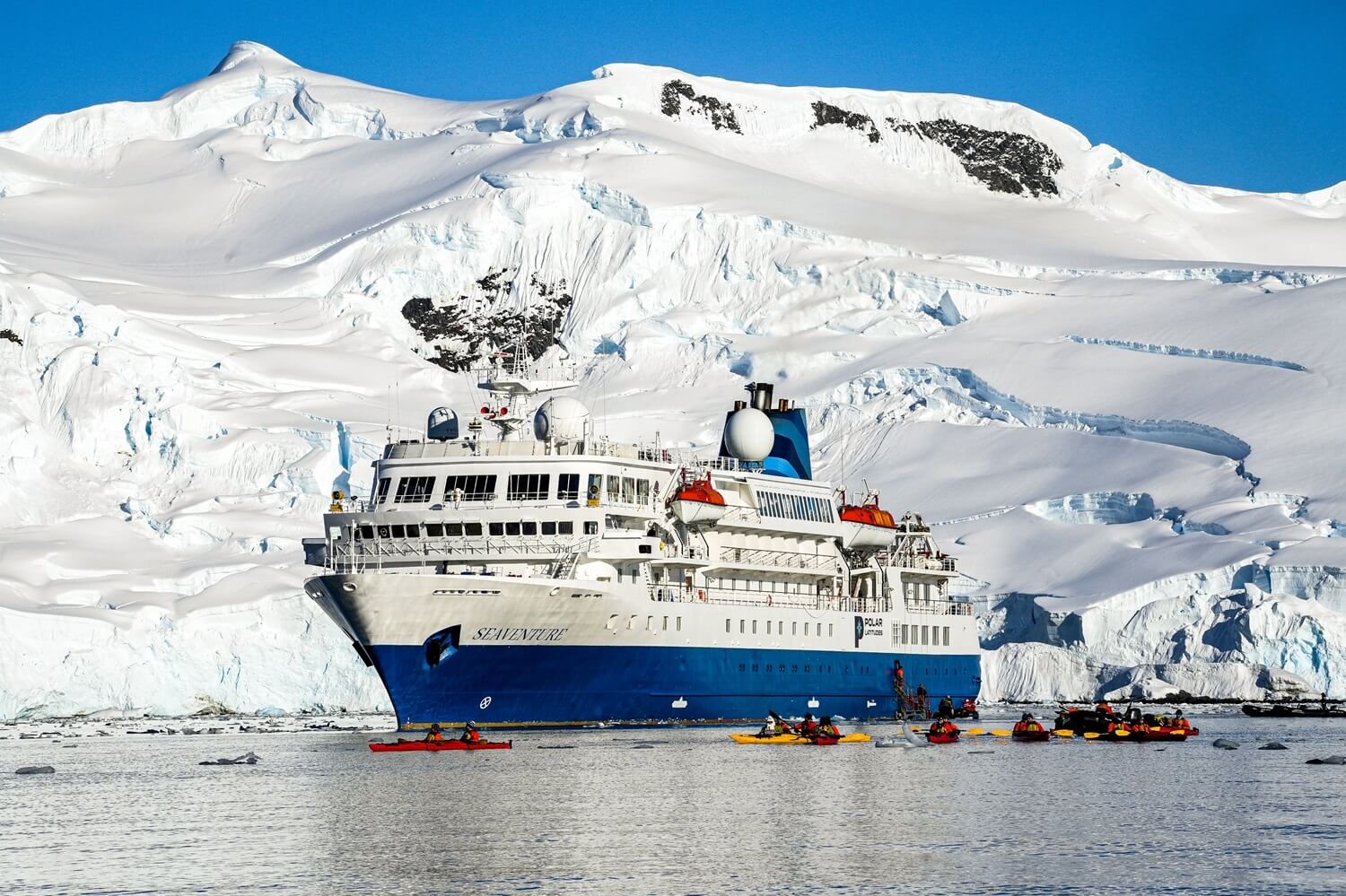
Antarctica rewards decisiveness, but it also punishes rushed choices. When a discounted cabin appears, you may have only hours to decide while juggling flights to Ushuaia or Punta Arenas, gear, documents, and questions about the ship and itinerary. Price grabs attention first, yet the value of a polar voyage depends on conditions you cannot fix after booking: landing time, Zodiac capacity, ice and wildlife timing, and the reliability of your route across the Drake Passage or by air to King George Island. Here is a focused framework to judge last-minute offers quickly and confidently, so a good fare still delivers a strong experience on the ice.
-
Match the Deal to the Season, Sea Ice, and Itinerary Reality
Start by locating the sailing inside the short Antarctic window. Early season can mean more fast ice, dramatic snow cover on landing sites, and penguin courtship, but ships may miss narrow channels like the Lemaire if ice clogs entrances. Mid-season often brings more open water and active rookeries. Late season typically offers increased whale activity and softer snow but muddier landings. A low fare is not useful if the timing does not match what you want to see. Cross-check the advertised route against typical choke points and ask how the team adapts plans when ice shuts a site.
If the offer advertises a Circle crossing or a South Georgia add-on, verify the time budgeted for those goals. A brief peninsula loop can still be excellent, while a longer loop adds reach but introduces more weather risk. For quick comparisons of dates and itineraries, browse reputable roundups of last-minute Antarctica cruises as you narrow your short list.
-
Focus on Ship Capacity, Landing Rotations, and Zodiac Throughput
Landing time per guest is shaped by ship size and Zodiac logistics. Under the widely observed IAATO guideline of no more than 100 people ashore at a site at once, a vessel carrying far above that number must rotate guests in waves. That can mean shorter individual landings or fewer daily operations if weather compresses the schedule. Smaller expedition ships can often cycle everyone ashore more quickly, and some also offer simultaneous kayaking or snowshoeing, which spreads guests across activities. Ask for the ship’s passenger count, number of Zodiacs, and typical rotation plan for popular sites.
Cabin category also hints at how operations run. Triple and quad cabins cut per-person cost but may fill with independent travelers who move quickly, making early Zodiac queues brisk. Higher-deck balcony cabins add comfort and views yet can increase motion in rough seas compared with lower, midship cabins. Decide whether you value calmer rides to sleep better during the Drake crossing or prefer a balcony and accept more movement. That trade-off becomes clearer once you know the vessel’s stabilizers and average cruising speed.
-
Price the Whole Journey: Flights, Baggage, and Essential Gear
A discounted cruise can be outweighed by last-minute airfare. Check same-day connections to Ushuaia or Punta Arenas and consider departing a day earlier to build a weather buffer. International tickets may carry tighter checked-bag limits than you expect for bulky parkas and waterproof pants. If you need to travel light, confirm which items the operator lends or rents. Many expeditions provide muck boots and a parka on board, while shell pants, mid-layers, and waterproof gloves are often on you. Renting specialty lenses or binoculars locally is harder, so plan those from home.
Watch for extras that move the real price. Some lines include pre-cruise hotels, city transfers, and onboard internet credits, while others charge separately. Kayaking, camping, and photo workshops may be capacity-limited and nonrefundable once purchased, which matters if weather cancels a session. Ask how refunds or rebooking work for optional add-ons on short-notice bookings. Comparing cruise-only fares without these details can mislead you about the bottom line.
-
Drake Passage vs. Fly-Cruise: Time, Risk, and Comfort
Crossing the Drake Passage by ship preserves flexibility. If a landing is delayed, the ship can adjust the plan and sail overnight to a new site. The price is two sea days each way and the possibility of rough conditions that tire some travelers before operations begin. A fly-cruise trims transit time to about two hours each way between Punta Arenas and King George Island, avoiding open-ocean swells, but it adds a new weather variable: low visibility or crosswinds can ground flights for a day or more. Build two buffer days around fly-cruises to reduce the sting of delays and ask how operators handle extended holds.
Consider a scenario: a last-minute fly-cruise opens next week and saves you hundreds. You can travel light, but your job allows no flex days. A weather hold could push your return flight and cascade into rebooking fees. In that case, a traditional crossing on a smaller ship with known Zodiac capacity might deliver a steadier plan, even if you spend longer at sea. There is no universal winner; match your tolerance for seas and schedule disruption to the route you choose.
-
Documents, Insurance, and Quick-Action Logistics
Paperwork can derail fast plans. Confirm passport validity for your transit countries and any domestic flight ID requirements. Medical questionnaires are standard on expedition ships and may require a physician’s sign-off if you disclose certain conditions, which takes time. If you are booking at 14 days or less, ask whether digital copies are accepted temporarily and what the final deadline is for originals at embarkation.
Travel insurance is not one-size-fits-all, and coverage nuances matter on last-minute trips. Policies often have time-sensitive benefits tied to your first trip payment, so some options may not apply when you book close to departure. Focus on medical evacuation limits appropriate for remote regions, trip interruption for weather delays, and baggage coverage for borrowed or rented gear. Read exclusions for adventure activities like kayaking before you add them on board.
-
Two Realistic Rapid-Decision Scenarios
Scenario A: You spot a discounted porthole cabin on a 120-passenger ship sailing in mid-December from Ushuaia. You want penguin chicks and icebergs. You see two sea days each way, three full landing days, and optional kayaking. The ship’s Zodiac count supports quick rotations. Airfare is reasonable if you depart two days early. Verdict: the fare aligns with your wildlife goals, operations look efficient for the passenger count, and your buffer days lower transit risk.
Scenario B: A late-February fly-cruise with balcony cabins opens at a sharp price, but flights to Punta Arenas are tight, and you cannot extend your return. You love the idea of whales but cannot absorb a weather hold at King George Island. Verdict: attractive, yet schedule risk outweighs savings. You keep searching for a small-ship Drake crossing in the same window or a standard cruise with better exit options.
Last-minute polar travel rewards clarity. If you quickly place a sailing in the season, verify ship capacity and Zodiac plans, price the journey door to door, and choose between the Drake or a fly-cruise with open eyes, a deal can become a memorable landing on real Antarctic rock. Ask pointed questions, pack purposefully, and keep flexible time on both ends. The ice will set the day’s agenda. Your fast but informed decision can make sure you are there when it does.
