

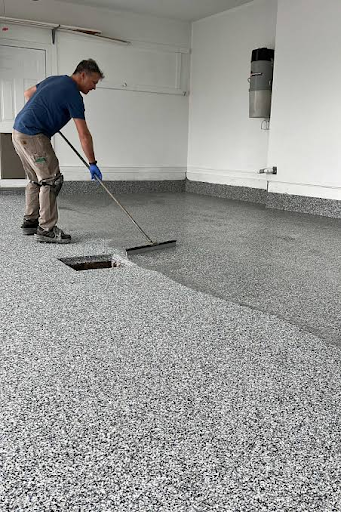
If you’ve ever stepped into a garage with a dull, cracked, or stained concrete floor, you already know how much a single upgrade can transform a space. Boston homeowners are discovering that a worn-out garage floor doesn’t have to stay that way. With the right coating system, a tired slab of concrete can become one of the most durable, attractive surfaces in the entire home.
That’s exactly what we do at Garage Floor Coating of Boston. We specialize in transforming ordinary concrete into long-lasting, show-ready floors that hold up to New England’s unpredictable weather, road salt, and heavy daily use. Whether you’re parking cars, running a home gym, or using your garage as a workshop, the floor beneath your feet matters more than most people realize.
This post walks through what makes epoxy coatings such a smart investment, how the process works, and why so many homeowners across the Boston area are choosing it over traditional concrete sealers or paint.
What Makes Epoxy Coating Different From Paint or Sealers?
Many homeowners assume a fresh coat of paint will do the trick. Unfortunately, standard paint wears thin fast, especially in garages that deal with tire traffic, dropped tools, and winter road salt. Epoxy coatings work differently. Instead of sitting on top of the concrete like paint, epoxy chemically bonds with the surface, creating a thick, rigid layer that resists chipping, peeling, and staining far better than traditional options.
This bonding process is what gives epoxy its reputation for durability. A properly applied system can last for years without the cracking or fading that plagues painted floors. For a city like Boston, where temperatures swing from humid summers to icy winters, that kind of resilience isn’t a luxury. It’s a necessity.
How Long Does an Epoxy Floor Actually Last?
With proper installation and reasonable care, a professionally applied epoxy floor can last well over a decade. Factors like foot traffic, vehicle weight, and exposure to chemicals or moisture all play a role, but the biggest factor by far is the quality of the installation itself. A rushed job with poor surface preparation will fail years before a properly primed and cured system ever will.
The Garage Floor Transformation Process
A great finished floor starts long before the epoxy ever touches the concrete. Here’s what the process typically looks like:
- Surface preparation: The concrete is ground down to remove old coatings, oil stains, and imperfections. This step is often skipped by lower-quality installers, but it’s the single most important factor in how well the epoxy adheres.
- Repairing cracks and imperfections: Any cracks, pits, or uneven spots are filled and leveled before coating begins.
- Primer application: A bonding primer helps the epoxy grip the concrete surface tightly.
- Epoxy base coat: This is where the real transformation begins, as the floor starts to take on its new color and finish.
- Decorative flake or color options: Many homeowners choose colored flakes for texture, hidden imperfections, and a polished, professional look.
- Topcoat for protection: A clear, UV-resistant topcoat seals everything in and adds an extra layer of durability against scuffs and chemical spills.
Each step builds on the last, which is why skipping preparation or rushing cure times almost always leads to problems down the road.
Why Boston’s Climate Makes a Durable Floor Even More Important
Living in New England means dealing with road salt, slush, and temperature swings that most of the country never experiences. Those conditions are tough on concrete. Untreated or poorly sealed floors absorb moisture, which can lead to cracking, pitting, and that chalky white residue known as efflorescence.
A quality epoxy system acts as a barrier against all of that. It keeps moisture, salt, and oil from penetrating the concrete, which protects the slab itself, not just the surface finish. For garages that double as workshops or storage for lawn equipment, bikes, and seasonal gear, that kind of protection adds real value to the home.
Is Epoxy Coating Worth the Investment?
Homeowners often ask whether epoxy coating is worth the upfront cost compared to simply repainting or leaving the concrete bare. The answer usually comes down to how the space is used and how long the homeowner plans to stay in the home.
Choose epoxy coating if long-term durability, easy cleanup, and curb appeal matter more than the lowest possible upfront cost. Garages that see daily vehicle traffic, host home gyms, or function as workshops benefit the most, since epoxy resists oil stains, hot tire pickup, and the wear that comes with constant use. Choose a basic sealer instead if the garage sees very light use and budget is the primary concern, though that approach typically means more frequent maintenance and a shorter lifespan overall.
For most Boston homeowners, the math favors epoxy. A floor that holds up for over a decade, resists stains, and adds visual appeal to one of the most-used spaces in the home tends to pay for itself in avoided repairs and added property value.
Choosing the Right Team for the Job
Epoxy Floor Coating done right can turn a cracked, stained garage into the most impressive room in your house, and that starts with hiring a team that understands proper surface preparation, material selection, and curing times. Not every installer takes the same care with grinding, moisture testing, and primer application, and those shortcuts are exactly what separate a floor that looks great for one season from one that looks great for fifteen years.
At Garage Floor Coating of Boston, our team has spent years perfecting the process for homes across the Greater Boston area. We understand how local weather conditions affect concrete, and we tailor every installation to withstand the specific challenges that come with New England winters. From the initial consultation to the final topcoat, our goal is a floor that homeowners are proud to show off and confident will last.
Ready to Upgrade Your Garage Floor?
A garage floor might not be the first thing people notice about a home, but it’s one of the easiest upgrades to make with lasting impact. Whether you’re preparing to sell, finally organizing that cluttered garage, or just tired of looking at cracked, stained concrete, a professionally installed epoxy system delivers results that paint and sealers simply can’t match.
If you’re ready to see what your garage could look like, reach out to Garage Floor Coating of Boston for a consultation. We’ll walk you through your options, answer your questions, and help you choose a finish that fits both your style and your budget.
Frequently Asked Questions
How long does installation typically take?
Most residential garage floors can be completed within one to three days, depending on the size of the space and the number of coating layers applied.
Can epoxy be applied over an existing painted floor?
Generally, no. Existing paint needs to be ground off during surface preparation so the epoxy can properly bond with the bare concrete.
Will the floor be slippery when wet?
Textured additives and slip-resistant topcoats can be added during installation to reduce slipperiness, which is especially useful for garages exposed to snow and rain.
Does epoxy coating help with oil and chemical stains?
Yes. One of the biggest advantages of epoxy is its resistance to oil, gasoline, and common automotive chemicals, making cleanup far easier than with bare or painted concrete.
