

Family traditions have a habit of attaching themselves to a particular house. The Christmas lunch always happened at Mum's, birthday cakes were cut in the same kitchen, and the Sunday barbecue had a fixed spot in the backyard. When someone moves into a new home, especially one chosen for accessibility, it's natural to wonder whether those rituals will survive the change.
They usually can. What matters is treating the move as a chance to adapt traditions rather than retire them, and deciding together how hosting might work from here.
When a Tradition Seems Tied to the Old House
Most traditions are really about people, food and time spent together. The building is only the backdrop. Talking with family about which parts matter most, whether it's a recipe, a game or being in the same room, makes it easier to recreate the feeling somewhere new.
Sometimes the answer is to rotate hosting. Other times, the person who moved becomes the new host because their home is now the easiest place for everyone to gather.
When the New Home Is Built Around Access
In Australia, Specialist Disability Accommodation (SDA) is housing designed for people with disability who need specialist features. It sits within the National Disability Insurance Scheme (NDIS), which decides eligibility; housing providers don't. Readers elsewhere should note this system is specific to Australia.
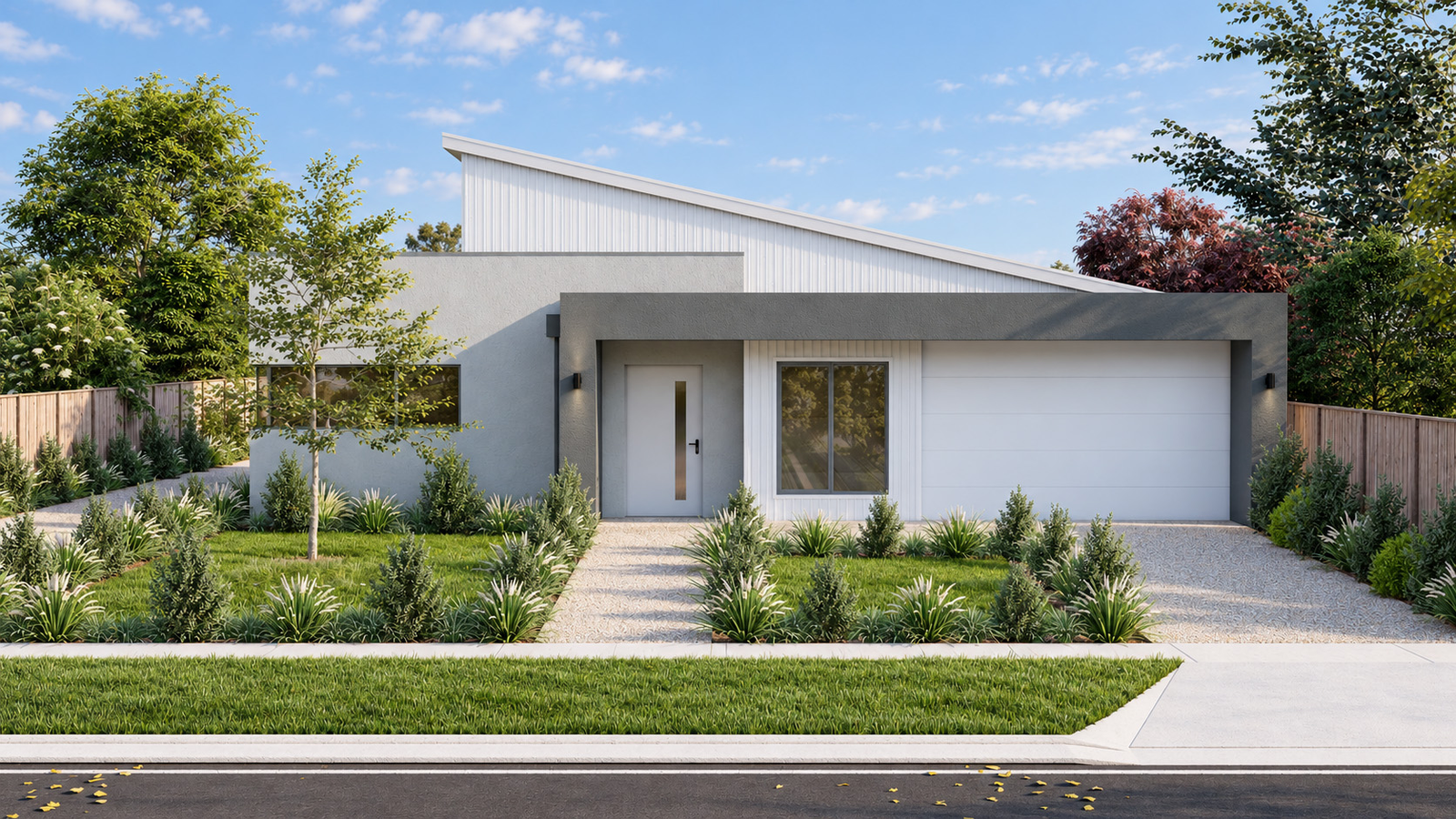
SDA homes are built to different design categories, so ask what each one offers. Where a home has wider doorways and open living areas, these can make gatherings more comfortable for the resident and for older relatives or guests who use mobility aids, and help a room feel less cramped.
When the Living Space Is Shared
If you share your home with other residents, hosting needs more planning. Agree on dates early, talk about which rooms you'll use, and check whether housemates would like to join in or prefer a quiet afternoon. A shared calendar on the fridge can prevent clashes. Support staff may also need to know about larger gatherings ahead of time.
When Guests Have Access Needs Too
Hosting works best when everyone can get in, move around and use the bathroom comfortably. The visitability design approach focuses on exactly that kind of everyday welcome, and it's a helpful lens when planning seating, parking and paths to the front door. Ask guests beforehand what would make the day easier, from a quieter corner to a closer parking spot.
When Food Is the Centre of the Day
Food holds many traditions together. If cooking a large meal isn't practical, share the load: one person brings the roast, another handles dessert, and the host sets the table. A potluck keeps the spirit alive without leaving anyone exhausted.
New traditions can grow alongside the old ones. A picnic in a nearby park, a movie afternoon or a regular morning tea might become the gathering everyone looks forward to.
What carries a tradition forward is the willingness to keep showing up for each other. The address may change, and the table may look different, but the moments that matter still find their place.
