

An inherited diamond often arrives with two things at once: a stone that holds decades of family memory and a setting that may not suit the person who now owns it. Deciding whether to keep, reset or redesign the ring is rarely just a jewellery question. It touches on who the piece belonged to, who will wear it next and how a family wants to remember someone.
Most families reach an answer by looking at the ring, the new wearer and the relatives with an emotional stake in it, in that order.
When the Ring Already Suits Its New Owner
Sometimes the simplest choice is the right one. If the setting is sound, the style suits the wearer, and the size can be adjusted, leaving the ring as it preserves its history.
A jeweller can still check the claws, clean the stone and resize the band without changing its character.
When the Stone Is Loved, but the Setting Isn't
Many heirloom rings were designed for a different era and a different hand. Thin bands, very high settings or a metal colour that doesn't suit the new wearer are common reasons to consider a change.
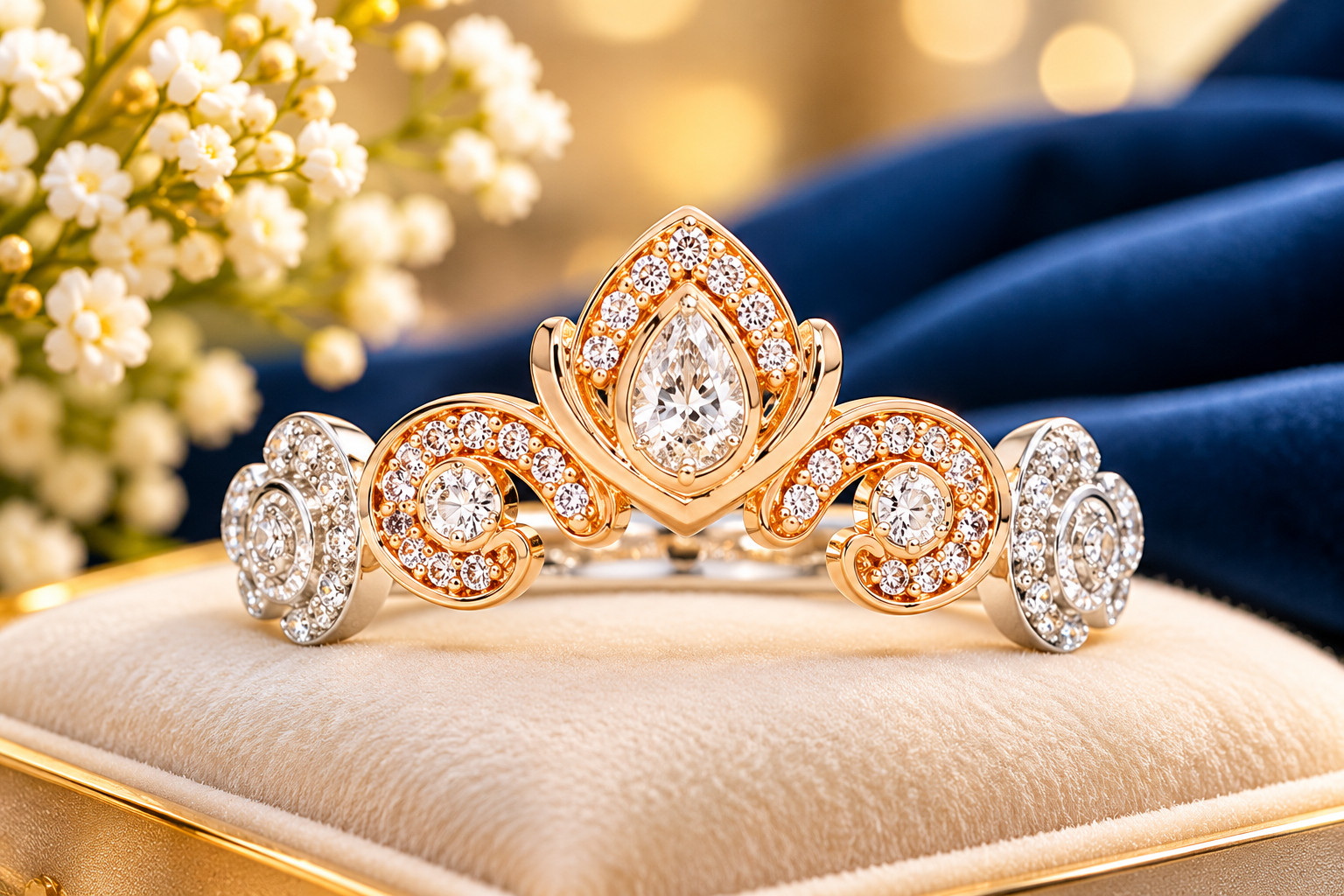
Resetting keeps the diamond while giving it a new frame. Before deciding, it helps to see how modern settings handle similar stones. Looking at current designs from jewellers who sell diamonds Australia wide can give a family a clearer sense of what's possible, from a simple solitaire to a halo or three-stone ring that adds new diamonds around the original.
When an Older Cut Deserves to Stay
Diamonds cut generations ago often follow older styles, such as the old European cut, with chunkier facets and a softer, more candlelit sparkle than a modern round brilliant cut.
Recutting can make an older stone brighter by today's standards, but it removes weight and changes the character that made it distinctive. Many families choose to keep the original cut and reset it instead.
When More Than One Person Has a Claim
Inherited jewellery can raise sensitive questions between siblings, cousins or parents. Talking openly with everyone involved before any work begins avoids misunderstandings later.
Some families keep the centre stone in one ring and use smaller stones or metal from the original setting in pieces for other relatives, such as pendants or earrings. Others agree the ring should pass down intact and be shared through photographs and stories.
When the Setting Needs Repair Anyway
Age and daily wear take a toll on any setting. Worn claws, thinning bands and loose stones are signs that work is needed regardless of style.
If a significant repair is due, it can be a natural moment to consider redesigning, since the jeweller will already be handling the stone.
There is no single right answer. Keeping a ring unchanged honours the original wearer exactly as she wore it. Resetting it lets a new generation wear it every day. Either way, the diamond remains the same stone that has passed through the family's hands, and that continuity is what makes it an heirloom.
