

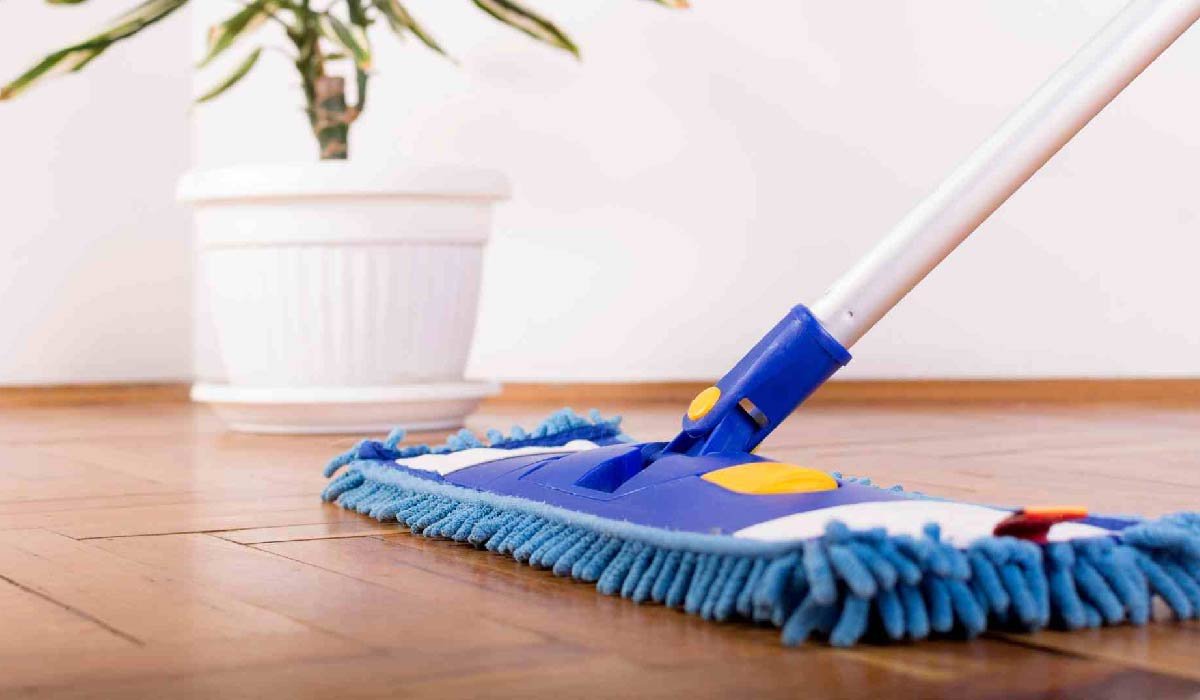
Microfiber is a staple in commercial cleaning, so there is little need to consider using something else. However, there are many factors related to the fiber itself, the design of the product, the method by which it is wrung out, and the laundry method used to clean the product that affect its performance on floors over time. Much of this information is contained in specification sheets, but it is the few key variables that actually affect cleaning that one needs to compare to make a wise choice.
Reading the fiber specification rather than the marketing copy
To clean with microfiber, soils are picked up by the mechanical capture of the fibers. Split fibers create high surface area and form a wedge at the tip of the fiber which picks up the soil and places it within the matrix of the fiber. The unsplit fiber, on the other hand, will act much like a soft synthetic cloth.
The numbers that matter
- Denier below 1.0 for the finished filament, the threshold most testing bodies treat as true microfiber.
- Blend ratio, usually 70/30 or 80/20 polyester to polyamide. Higher polyamide improves absorbency and soil release but raises cost and can shorten life under aggressive laundering.
- Weight in grams per square meter. Flat pads in the 250 to 400 range suit daily maintenance, while heavier constructions hold more solution for initial soil removal on rough surfaces.
- Pile structure, with loops giving scrubbing action on grout and textured vinyl, and cut or sheared pile giving a cleaner finish on polished stone and sealed hardwood.
Require your supplier to write split percentage and laundering specifications into the work order. A supplier who cannot write these into your purchase order is going to try to sell you on price!
Matching the head format to floor type and soil load
Flat pads are ideal for large open areas with light to moderate soil. However, they are not suitable for busy or congested areas with fixed objects, and uneven floors. The frames are not flexible enough to allow for uneven floors.
A tube or string head will carry more liquid than a flat pad head. A tube or string head is better suited for cleaning rough surfaces such as textured concrete, loading docks, etc. Dragging the head of the mop in these areas will not tear the head as a flat pad would.
Attachment and frame details
Hook and loop attachments are often quick to attach and detach but can collect a lot of lint and hair. The hook surface will also wear in time. Pocket style pads will last longer and hold their place better under lateral load but change-outs will be slower. The difference in change-outs for a high pad count task can add up to a lot of hours for the cleaning staff. Test before you standardize.
Comparing wringing and solution control systems
The Mop Head is only Half the Purchase Decision. The manner in which a Mop Head is wetted prior to use and then rinsed out after use can have a major impact on Cross Contamination, Moisture Left on Floor, Staff Fatigue over Shift.
For restrooms and back of house areas where a flat pad route would be impractical, a well built spin mop and bucket system gives you repeatable moisture levels without the operator strain of a side-press wringer.
| System | Best suited to | Moisture control | Main limitation |
| Flat mop with dual-chamber bucket | Healthcare, food handling, controlled environments | Good, with clean and dirty separation | Requires discipline and frequent pad changes |
| Spin mop and bucket system | Small to mid-size sites, restrooms, back of house | Very good, adjustable by spin cycles | Moving parts in the basket wear over time |
| String mop with side-press wringer | Heavy soil, rough or exterior-adjacent flooring | Variable, operator dependent | Physically demanding, inconsistent dampness |
| Pre-soaked charging box | Multi-room routes with no water access | Excellent, measured at the point of charging | Higher laundry volume and upfront pad stock |
Dilution, dampness, and technique at the point of use
Be wary of microfiber that is best used wet, such pads can leave behind a film and increase the dry time of surfaces; diluting any disinfectant being used and lengthening the time it takes to evaporate. Opt for a damp pad that feels cool to the touch and is heavy with solution but will not drip any on the surface when pressed.
Chemistry choices that protect the fiber
Fabric softeners, bleach and highly cleansing agents of high foam content close up or even damage fibers considerably and reduce the cleaning performance very much. Mild cleaners of neutral pH are recommended for better cleaning results. Disinfectants have to be checked whether they are suitable for microfiber or not, because some quaternary ammonium compounds (surface active agents) for example can bind to the polyester fibers so that the effective amount of the disinfectant is reduced.
Laundering and the real cost per clean
While initial cost may influence the purchasing decision, the cost of reprocessing far outweighs the price of a purchase. A microfiber pad rated for 500 washes that is deteriorated within 150 washes due to a hot dryer cycle is expensive.
- Wash below 160 degrees Fahrenheit unless the manufacturer specifies otherwise, and separate microfiber from cotton to prevent lint transfer.
- Skip softener entirely and use the lowest effective detergent dose.
- Dry on low heat or air dry, since high heat melts fine filaments and seals the fiber surface.
- Color-code by zone and audit the system quarterly, because color discipline erodes faster than anyone expects.
Calculate the simple cost per use of the cleaning pad including purchase price, washing etc. In most cases a simple test on your own floors over a period of 3 months will be sufficient to rule in or out most specification aspects. Test 2-3 products for a month and then decide.
