

Electrical faults rarely announce themselves before trouble starts. A flickering light, a warm switchboard, or an outlet that hums a little too loudly are often the only warnings before something far more serious occurs. For homeowners and business operators alike, staying ahead of these risks isn’t optional — it’s essential.
That’s where professional electrical safety testing comes in. Regular inspections catch hidden faults before they become costly repairs, insurance headaches, or safety hazards. Whether you’re maintaining a family home, managing a commercial property, or overseeing a growing business, understanding what electrical testing involves — and why it matters — puts you in control of your property’s safety.
This post breaks down why electrical testing has become a non-negotiable part of property maintenance, what signs indicate you might need an inspection, and what a thorough testing process actually looks like.
Why Electrical Safety Testing Matters More Than Ever
Modern properties run on more electricity than ever before. Between smart home devices, electric vehicle chargers, high-powered appliances, and expanding home offices, today’s electrical systems are under constant strain. Many wiring systems were never designed to handle this level of demand, which increases the risk of overloads, short circuits, and even fires.
Beyond safety, there’s a compliance angle too. Landlords, business owners, and property managers are often legally required to maintain up-to-date electrical safety certificates. Falling behind on these requirements can lead to fines, voided insurance claims, or complications when selling or leasing a property.
Routine testing isn’t just a box-ticking exercise — it’s a proactive investment in the long-term reliability of your property’s electrical infrastructure.
Signs Your Property Needs an Electrical Inspection
Many electrical issues develop slowly, which makes them easy to overlook until they escalate. Keep an eye out for these common warning signs:
Flickering or Dimming Lights
Lights that flicker without an obvious cause often point to loose wiring connections or an overloaded circuit. While it might seem like a minor annoyance, it can indicate deeper issues within the system.
Frequent Circuit Breaker Trips
A breaker that trips occasionally isn’t necessarily a problem. One that trips repeatedly, however, suggests the circuit is carrying more load than it can safely handle.
Warm or Discolored Outlets
Outlets or switch plates that feel warm to the touch, or show scorch marks, are a sign of overheating. This should never be ignored, as it’s one of the leading indicators of an electrical fire risk.
Outdated Wiring Systems
Properties built several decades ago may still rely on wiring systems that don’t meet current safety standards. If your property hasn’t had an inspection in years, it’s worth scheduling one even without obvious symptoms.
What to Expect From a Professional Electrical Testing Service
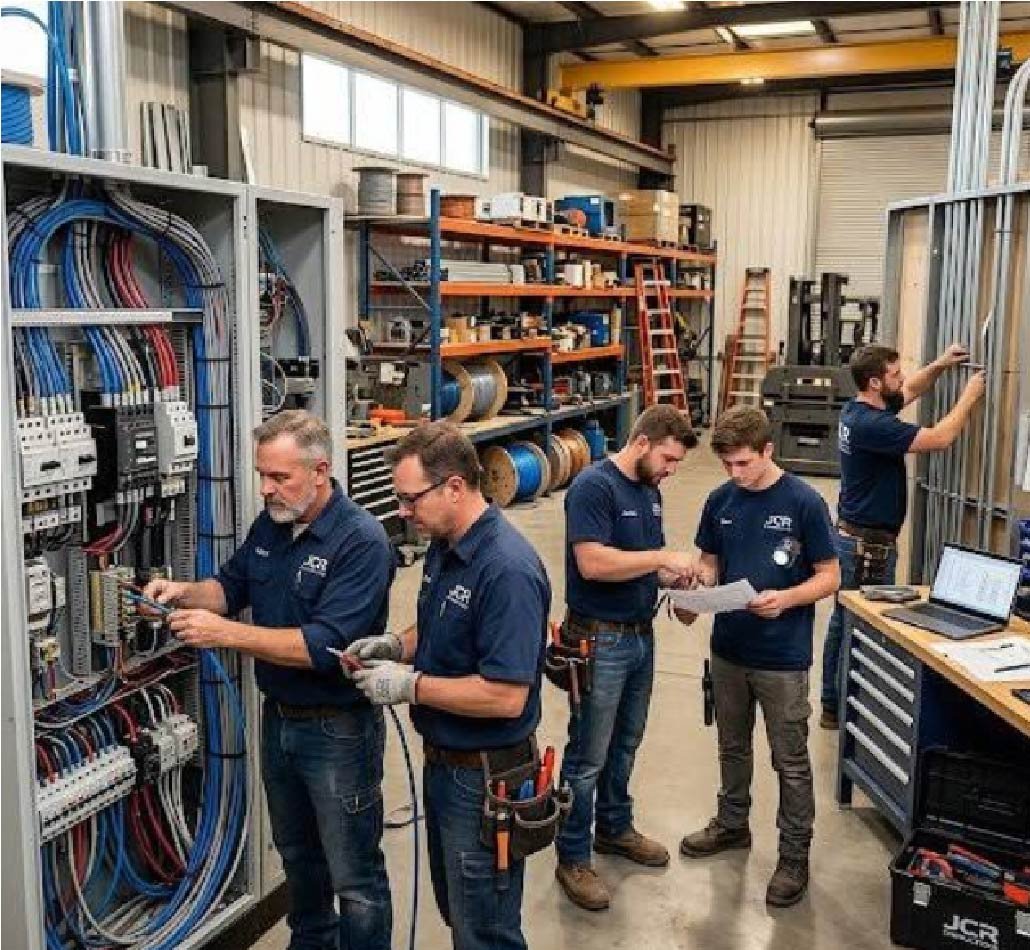
A thorough electrical inspection goes well beyond a quick visual check. Qualified testers examine wiring, circuit breakers, grounding systems, and appliance connections to identify risks that aren’t visible to the untrained eye.
The process typically includes:
- Visual inspection of switchboards, wiring, and connection points to spot visible wear, corrosion, or damage.
- Insulation resistance testing to confirm wiring insulation is intact and not at risk of electrical leakage.
- Earth continuity testing to verify grounding systems will function correctly during a fault.
- Load testing to ensure circuits can safely handle the current demand placed on them.
- Documentation and certification, providing a clear record for compliance, insurance, or resale purposes.
Each of these steps plays a role in building a complete picture of a property’s electrical health, helping identify both immediate hazards and long-term vulnerabilities.
The Benefits of Partnering With Experienced Electrical Testers
JCR Productions brings years of hands-on experience to every inspection, helping property owners catch potential hazards before they escalate into costly repairs or safety incidents. Working with a team that understands the nuances of residential and commercial electrical systems means faults are identified accurately the first time, saving both time and money down the line.
Experienced testers don’t just flag problems — they explain them. Clear, jargon-free reporting helps property owners understand exactly what was found, why it matters, and what steps (if any) are needed next. This transparency builds trust and makes it easier to plan maintenance budgets with confidence.
There’s also the matter of compliance peace of mind. Up-to-date certification protects property owners from unexpected fines, insurance disputes, and legal liability, while simultaneously reassuring tenants, customers, or family members that the space they’re in has been professionally assessed.
Perhaps most importantly, working with a dedicated testing provider turns electrical safety from a reactive scramble into a predictable, manageable part of property upkeep. Instead of waiting for something to go wrong, property owners gain the ability to plan ahead, schedule inspections at sensible intervals, and address small issues before they grow into emergencies.
Protect What Matters Most
Electrical safety isn’t something to leave to chance. A small fault today can become a major hazard tomorrow, putting both property and people at risk. Scheduling regular inspections is one of the simplest, most effective ways to protect a home or business for years to come.
If it’s been a while since your property’s electrical system was properly assessed, now is the time to act. A professional inspection offers clarity, confidence, and the kind of safety assurance that’s worth far more than the time it takes to arrange.
