

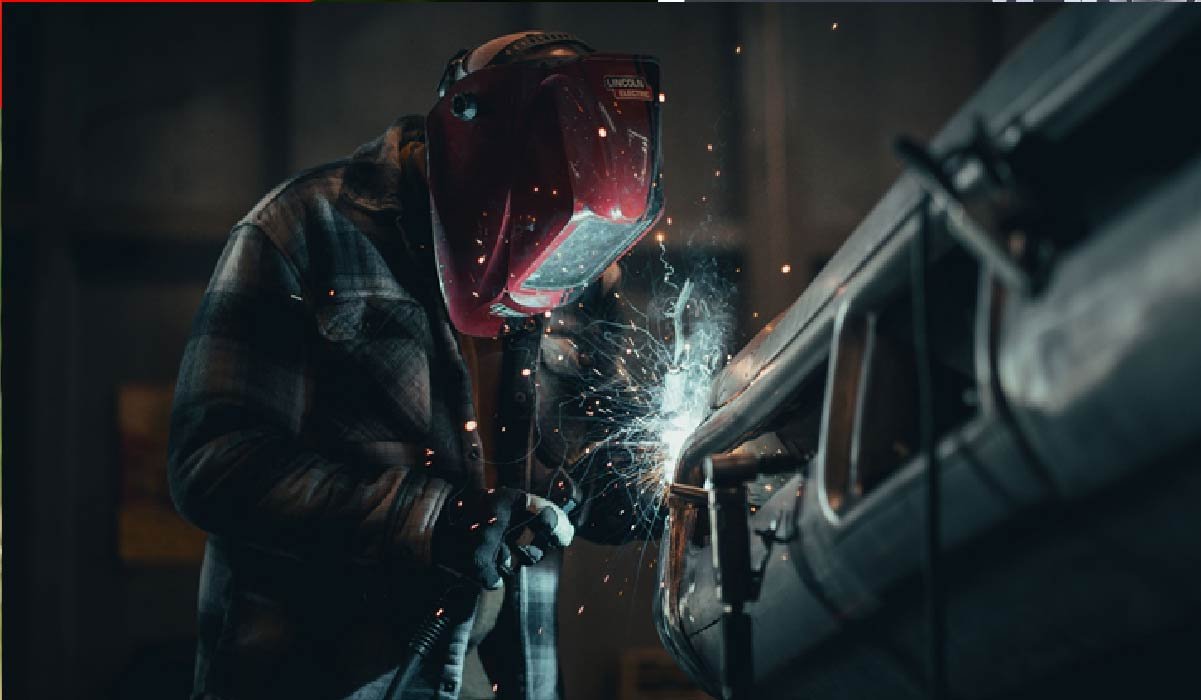
The quality, strength, and appearance of all MIG and TIG welds depend on the type of shielding gas used. Its main purpose is to prevent the molten metal pool from contacting the air, allowing the weld to form. When a weld joint is exposed to air, it will become porous, weak and fissured. The shielding gas blend determines the arc stability, the heat transfer, the depth of penetration, and the necessity of post-welding cleaning.
Not every type of metal reacts to the same shielding gas. Steel, stainless steel, and aluminium react differently; therefore, every type requires a unique gas mix. This makes it possible to control the bead size and free the weld from slag inclusions. It is also important to have auxiliary equipment working along with welding gas systems. Pneumatic equipment, plasma torches, and mechanized positioners are commonly used in the welding process, thus requiring air supply system and using rotary screw air compressor.
The Primary Gases and What They Do
Active gases, inert gases, or combinations of both are used in welding. Every gas has different physical qualities that change the weld pool fluidity and electrical arc.
- Pure argon (100% Ar)
The inert gas argon produces a stable and focused arc, with little spatter. It is used in practice for all TIG processes and works well with non-ferrous metals such as aluminium, titanium and alloys of copper. In addition, pure argon only produces a finger-like penetrating profile for steel, which limits its use when working with thick structural plates of carbon steel.
- Carbon dioxide (100% CO2)
Carbon dioxide is a cost-effective as well as an effective substance, but it is only used when MIG welding with steel. It is beneficial when thick plate metals are used due to its ability to cause extensive root fusion and profound penetration of the weld. Its downside is the increased spatter and rough arc characteristics; therefore, more grinding time must be spent afterward.
- Argon and carbon dioxide blends (75/25 and 85/15)
Argon blended with small amounts of carbon dioxide on low carbon steel gives satisfactory results. Argon leads to less spatter and keeps the arc steady, whereas carbon dioxide gives increase penetration and heat input. The bead that is created is smooth and sits in the base metal with minimum brushing required.
- Argon and helium mixtures
Helium provides much higher thermal conductivity and produces wide penetration. By mixing helium with argon, heat input is considerably increased, which is very handy for heavy aluminium pieces and copper processing. The disadvantage of helium is that it requires a higher flow rate to be effective.
- Tri-mix blends (helium, argon, and CO2)
Helium’s high thermal conductivity creates a broad circular penetration profile. Therefore, by adding helium to argon for increasing heat input, the operation of welding thick sections of copper and aluminium is much easier to perform. Since helium weighs less than other gases, the operator needs a larger regulator flow rate to keep the puddle under control.
Real-World Applications and Facility Maintenance
Using the right shielding gas for welding plain metals helps avoid the need to retake the welds in vehicle repair, construction, and production. Acquiring proper welding gas in Toronto allows manufacturers working in large manufacturing areas to secure constant pressure in bottles and certified gas. The operation of reliable suppliers provides the possibility to manufacture pipes, brackets, and structural steel elements processed in accordance with standards in time.
Proper welding does not only exist in the welding workshop. Good welding repair work is needed in creating proper structures in different sectors, including residential property management in Ottawa engaged in repairing or maintaining buildings.
Practical Rules for Setting Your Gas Flow
- Check regulator flow rates
Flow regulators should be set within the range between 10 to 20 litres per minute according to the torch cup volume capacity. A low flow rate causes atmospheric influences on the metallic surface liquid while high flow rates create turbulence that brings excess ambient air into the coverage area.
- Minimize shop draughts
Low velocity shielding gases leave the nozzle and are instantly carried away due to open workshop doors and ventilation systems. If wind velocity exceeds four miles per hour set up portable canvas shields in the workspace area to ensure proper shielding techniques.
- Inspect line integrity
Check the delivery system for leaks and worn hoses using soap solution in the morning. Leaks in delivery hoses allow gas to flow quickly, drop line pressure, and introduce outside moisture into the welding area.
The proper filling gas holds the connection together while at the same time reducing the amount of finishing work needed. If you select the right gas canister according to your component, you will get perfect, high-quality welds that resist the adverse impact of the environment in the long run and meet relevant standards.
