

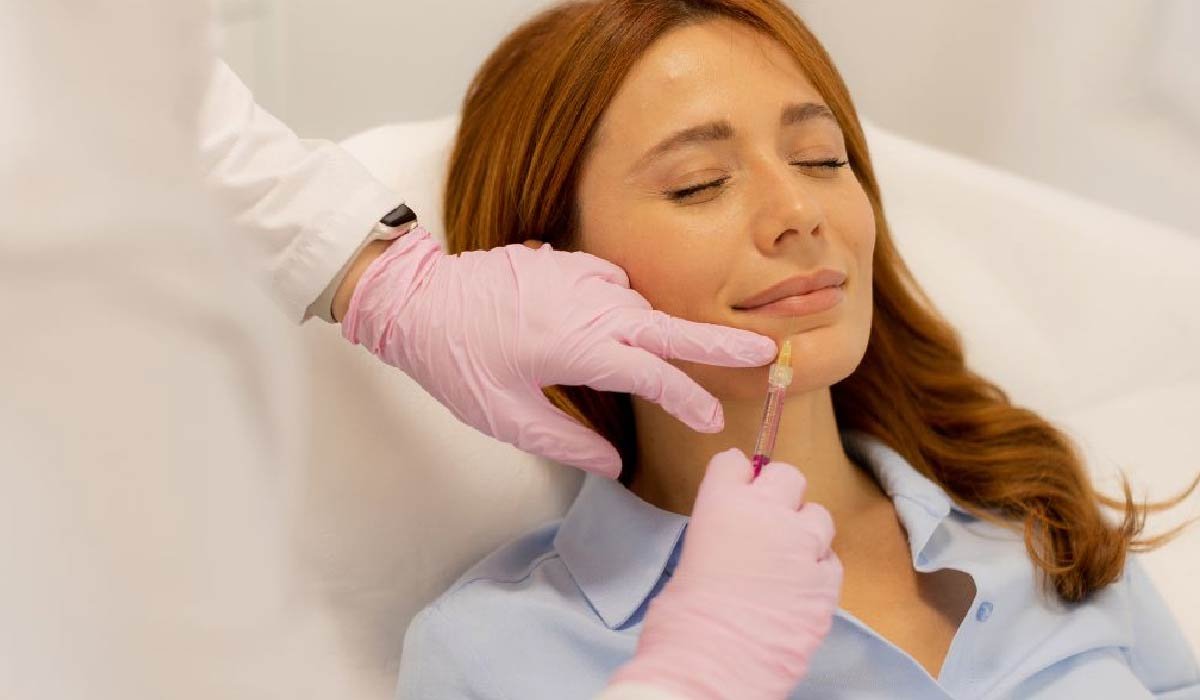
Maintaining a youthful, refreshed, and balanced appearance is an important part of personal confidence for many individuals. As people age, natural changes in the skin gradually affect facial volume, elasticity, hydration, and overall definition. Fine lines may become more noticeable, cheeks can lose their fullness, and certain facial features may appear less defined than they once were. Although these changes are a normal part of aging, modern aesthetic treatments provide several options for individuals who want to improve their appearance without undergoing invasive cosmetic surgery. Dermal fillers have become a popular choice because they can restore lost facial volume, soften certain wrinkles, enhance natural contours, and create a refreshed appearance through minimally invasive procedures.
Aesthetic treatments have evolved considerably, offering individuals more personalized approaches to facial enhancement. Rather than focusing exclusively on dramatic changes, many modern cosmetic procedures aim to preserve natural facial characteristics while addressing specific concerns. Understanding how different treatments work, what results they may provide, and what factors should be considered before choosing a procedure is essential for making informed decisions. From product selection and professional assessment to aftercare and potential side effects, every aspect contributes to a safe and satisfactory treatment experience.
Understanding What Dermal Fillers Are
Dermal fillers are injectable substances used in aesthetic medicine to improve facial volume, soften selected lines, and enhance certain facial features. They are commonly used in areas where aging, natural volume loss, or individual facial structure creates concerns about contour and appearance. Depending on the formulation, these products may help restore fullness, improve facial balance, and create smoother transitions between different facial areas.
Many commonly used fillers contain hyaluronic acid, a substance naturally present in the human body that helps maintain moisture and contributes to skin hydration. Hyaluronic acid-based products are widely used because they can provide temporary volume enhancement and are available in different formulations designed for specific aesthetic applications. Other filler materials may stimulate collagen production or provide different types of tissue support.
The purpose of treatment is not necessarily to change someone’s entire appearance. In many cases, the objective is to address a particular concern while maintaining natural facial proportions. For example, an individual may want to improve cheek definition, soften certain facial folds, or restore volume around the lips. A qualified medical professional evaluates facial anatomy, skin condition, treatment goals, and medical history before recommending an appropriate approach.
How Dermal Fillers Work to Improve Facial Appearance
The way fillers work depends on the material used and the area being treated. Hyaluronic acid-based products generally add volume beneath the skin, helping improve facial contours and soften selected wrinkles. Because hyaluronic acid attracts and holds water, these formulations can also contribute to a hydrated and smoother appearance in the treated area.
As people age, the face naturally experiences changes involving fat distribution, collagen levels, bone structure, and skin elasticity. These changes can affect the appearance of the cheeks, temples, lips, jawline, and areas around the mouth. Injectable treatments may help address some of these changes by providing additional volume or supporting facial contours.
Certain other formulations are designed to encourage the body’s natural collagen production. Collagen is an important structural protein that contributes to skin firmness and support. As collagen levels gradually decrease with age, the skin may become thinner and less elastic. Treatments that stimulate collagen production work differently from traditional volume-based products and may produce gradual changes over time.
It is important to understand that results vary according to the product, treatment area, individual anatomy, and professional technique. No injectable treatment can stop the natural aging process, but appropriately selected procedures may help improve specific aesthetic concerns.
Common Facial Areas Treated With Injectable Fillers
Facial fillers can be used in several areas depending on an individual’s concerns and the characteristics of the selected product. Each facial region has different anatomical structures, movement patterns, and blood supply, making professional assessment particularly important.
The cheeks are among the commonly treated areas because natural volume loss can make the middle portion of the face appear flatter or less defined. Carefully planned cheek enhancement may improve facial contours and restore some of the fullness associated with a more youthful appearance.
The lips are another popular treatment area. Some individuals seek additional volume, while others want to improve lip definition, address asymmetry, or enhance hydration and shape. A balanced approach is important because excessive volume can create an unnatural appearance that does not complement the rest of the face.
Fillers may also be considered for certain folds around the nose and mouth, chin definition, jawline contouring, and selected areas under the eyes. However, not every product or treatment technique is suitable for every facial region. Areas around the eyes and nose require particular caution because of their complex anatomy and potential vascular risks. A qualified practitioner should determine whether treatment is appropriate and explain the possible complications before proceeding.
The Role of Hyaluronic Acid in Aesthetic Treatments
Hyaluronic acid is one of the most widely recognized ingredients in modern aesthetic medicine. It is naturally found in the skin, connective tissues, and other parts of the body, where it helps retain moisture and maintain tissue hydration. Its ability to attract water makes it useful in various cosmetic formulations, including injectable products designed to improve facial volume and smoothness.
In aesthetic treatments, hyaluronic acid is manufactured into specialized gel formulations with different characteristics. Some products are designed to provide structural support, while others offer softer results suitable for more delicate facial areas. Differences in consistency, flexibility, and product composition influence how each formulation behaves within the treated tissue.
One advantage of many hyaluronic acid-based fillers is that certain products can be dissolved by a medical professional using an enzyme called hyaluronidase. This may be useful in selected situations involving unwanted results or certain complications. However, dissolving a filler is a medical procedure and should never be considered a guarantee that every complication can be completely reversed.
Choosing an appropriate product requires an understanding of facial anatomy, treatment objectives, and individual medical considerations. Product selection should always be based on professional judgment rather than popularity or advertising claims.
Benefits of Professional Facial Filler Treatments
Aesthetic injectable treatments offer several potential benefits when performed for appropriate candidates by qualified medical professionals. One of the main advantages is the ability to address specific facial concerns without requiring traditional surgery. Depending on the treatment, individuals may notice improvements in facial volume, contour definition, and the appearance of certain lines.
Another benefit is customization. Facial anatomy and aesthetic preferences differ considerably between individuals, so treatment plans can be developed around specific goals rather than applying the same approach to everyone. Some people may benefit from subtle volume restoration, while others may want to improve the definition of selected facial features.
Many injectable procedures also involve relatively short treatment appointments compared with surgical cosmetic procedures. However, treatment time varies according to the number of areas being addressed and the complexity of the assessment. Some temporary swelling, redness, tenderness, or bruising may occur afterward.
Natural-looking outcomes depend heavily on appropriate product selection, conservative treatment planning, and an understanding of facial proportions. The objective should be to improve balance and harmony rather than create unnecessary volume. A responsible practitioner will discuss realistic expectations and explain when a requested enhancement may not be suitable.
Understanding the Dermal Filler Treatment Process
The treatment process generally begins with a consultation and medical assessment. During this appointment, the practitioner discusses the individual’s aesthetic goals, reviews medical history, evaluates facial anatomy, and determines whether injectable treatment is appropriate. Previous cosmetic procedures, allergies, current medications, and any history of complications should be discussed openly.
Once suitability has been established, the practitioner explains the proposed treatment plan, including the product type, intended treatment areas, expected results, possible side effects, and associated costs. Patients should have enough time to ask questions and make an informed decision before agreeing to treatment.
The treatment itself is performed using sterile medical equipment and an appropriate clinical technique. The skin is prepared according to professional infection-control standards, and the selected product is administered by a qualified practitioner. Some formulations contain a local anesthetic or may be used alongside an appropriate numbing method to improve comfort.
After treatment, the practitioner provides instructions about expected temporary reactions and signs that may require medical attention. Follow-up appointments may also be recommended to assess the outcome and determine whether any additional care is necessary. Patients should never feel pressured into receiving extra products or additional procedures during their appointment.
Who May Be a Suitable Candidate for Dermal Fillers?
Suitability depends on several factors, including general health, skin condition, treatment goals, medical history, and expectations. Adults who want to address selected facial concerns and understand the limitations of injectable procedures may be appropriate candidates after a professional assessment.
Some individuals seek treatment because they have naturally thin lips, while others want to address age-related volume loss or improve certain facial contours. However, having an aesthetic concern does not automatically mean that an injectable treatment is the best solution. Alternative skincare treatments, different cosmetic procedures, or no treatment at all may be more appropriate depending on the situation.
Individuals who are pregnant or breastfeeding are generally advised to postpone elective injectable cosmetic procedures because adequate safety information is limited. People with active skin infections, inflammation, or certain medical conditions may also need to avoid treatment or receive additional medical evaluation. A history of severe allergic reactions, bleeding disorders, or previous complications should be discussed with the practitioner.
A responsible consultation focuses on medical suitability and realistic expectations. Qualified professionals should explain both the potential benefits and the limitations of treatment rather than promising perfect or permanent results.
Possible Side Effects and Safety Considerations
Although many people undergo injectable cosmetic procedures without serious complications, fillers are medical treatments and carry potential risks. Common temporary reactions include swelling, redness, tenderness, bruising, itching, and mild discomfort around the injection site. These effects often improve naturally, although the recovery period varies between individuals and treatment areas.
Less common complications may include infection, persistent swelling, lumps, uneven results, inflammatory reactions, and changes in skin appearance. Some complications may develop immediately, while others can appear days, weeks, or even months after treatment.
A particularly serious risk is accidental injection into or compression of a blood vessel. This can interfere with blood circulation and potentially cause tissue damage, skin necrosis, or, in rare cases, vision loss and blindness. Severe or unusual pain, blanching or discoloration of the skin, visual changes, or sudden neurological symptoms after treatment require immediate emergency medical assessment.
Patients should ask their practitioner about the risks associated with the specific product and treatment area. They should also confirm that the clinic has an appropriate emergency response plan and access to the necessary medical resources. Choosing a qualified professional is one of the most important steps in reducing avoidable complications.
Why Choosing a Qualified Aesthetic Practitioner Matters
The quality and safety of an injectable procedure depend significantly on the practitioner’s medical knowledge, experience, and understanding of facial anatomy. The face contains an extensive network of blood vessels, nerves, muscles, and other structures that require careful consideration during treatment. Inappropriate injection placement or product selection can result in complications that may be difficult to manage.
A qualified medical practitioner should conduct a proper consultation, review relevant medical information, and explain the treatment plan before performing any procedure. Patients should feel comfortable asking about professional qualifications, experience, product authenticity, and the risks associated with the proposed treatment.
The treatment environment should also meet appropriate hygiene and infection-control standards. Products should come from legitimate manufacturers and authorized supply channels, with packaging and product information available for verification. Patients should avoid unlicensed providers, informal treatment settings, and unusually cheap offers that may involve counterfeit products or unsafe practices.
A trustworthy practitioner will prioritize patient safety over sales and may recommend against treatment when the expected benefits do not justify the risks. This professional judgment is an essential part of responsible aesthetic care.
Preparing for Your Filler Appointment
Preparation can help patients approach an aesthetic appointment with realistic expectations and a clear understanding of the procedure. Before scheduling treatment, individuals should research the practitioner’s qualifications and arrange a consultation to discuss their concerns. It is important to disclose relevant medical conditions, allergies, previous injectable treatments, and all medications or supplements being used.
Patients should also ask whether any medicines or supplements may influence bruising or bleeding. Prescription medication should never be stopped or adjusted without advice from the prescribing healthcare professional. If there is an active infection, skin irritation, or an unexpected health concern, the practitioner should be informed before treatment.
Understanding the expected results is equally important. Patients should ask how much improvement is realistic, how long the results may last, and whether future treatments are likely to be needed. Reviewing appropriate before-and-after photographs may help clarify the practitioner’s aesthetic approach, although individual results cannot be guaranteed.
It is also sensible to schedule the appointment when there is enough time for any temporary swelling or bruising to settle before an important social or professional event. Proper preparation supports informed decision-making and helps create a more comfortable treatment experience.
Aftercare Tips for Better Recovery
Aftercare is an important part of any injectable aesthetic procedure. Following professional instructions can help reduce irritation and support the recovery process. Patients may experience temporary tenderness, swelling, or bruising, particularly during the first few days. These reactions should be monitored, and any unusual or worsening symptoms should be reported to the treating practitioner.
The practitioner may recommend avoiding strenuous physical activity, excessive heat exposure, and unnecessary pressure on the treated area for a specified period. Patients should also avoid massaging or manipulating the injected region unless specifically instructed by their healthcare professional. Applying products or treatments to the skin should follow the practitioner’s advice, particularly when the injection sites are still healing.
Maintaining gentle skincare habits can also be helpful. Harsh exfoliating products and aggressive facial treatments may need to be avoided temporarily. Patients should keep the treatment area clean and follow any instructions regarding makeup application.
Most importantly, individuals should understand the warning signs of serious complications. Sudden severe pain, unusual skin discoloration, changes in vision, or other concerning symptoms require urgent medical attention rather than waiting for a routine follow-up appointment. Proper aftercare involves both supporting normal recovery and recognizing when professional intervention is necessary.
How Long Do Dermal Filler Results Last?
The duration of filler results varies according to the product formulation, treatment area, amount administered, individual metabolism, and other personal factors. Some formulations may provide visible improvements for several months, while others can last longer. Areas with frequent muscle movement may experience different longevity compared with areas that move less.
Hyaluronic acid products are gradually broken down by the body over time. As this happens, the additional volume and contour enhancement may slowly decrease. Collagen-stimulating products follow a different process because their results depend partly on changes in the body’s collagen production.
Patients should avoid assuming that a longer-lasting product is automatically the best choice. Product suitability, safety, facial anatomy, and the desired outcome are more important than duration alone. Repeated treatments should be planned carefully because excessive or unnecessary product placement can contribute to an unnatural appearance and other complications.
Follow-up assessments allow the practitioner to evaluate the results and discuss whether further treatment is appropriate. Maintaining a balanced approach helps preserve facial proportions while avoiding unnecessary procedures.
Combining Fillers With a Healthy Skincare Routine
Professional aesthetic treatments are only one part of maintaining healthy-looking skin. Daily skincare habits also contribute to skin quality, hydration, and protection against environmental damage. A balanced routine can help support the appearance of the skin before and after cosmetic procedures.
Sun protection is particularly important because ultraviolet exposure contributes to premature skin aging, pigmentation changes, and collagen breakdown. Applying a broad-spectrum sunscreen with an appropriate SPF and reapplying it according to product instructions helps protect the skin from excessive sun exposure.
Gentle cleansing and regular moisturizing can support the skin barrier and improve surface hydration. Products containing ingredients such as hyaluronic acid, ceramides, and niacinamide may be useful for certain skincare goals, depending on individual skin needs and tolerance. Retinoids and other active ingredients can also be beneficial for selected concerns, although they may cause irritation and should be introduced appropriately.
Healthy lifestyle habits, including adequate sleep, balanced nutrition, and avoiding smoking, can further support overall skin health. While these measures cannot prevent natural aging, they can complement professional treatments and help maintain a healthy appearance over time.
Understanding the Cost of Facial Filler Treatments
The cost of injectable cosmetic treatments depends on several factors, including the product selected, the quantity required, the practitioner’s qualifications, the treatment area, and the clinic’s facilities. More complex procedures may require additional consultation time and specialized expertise, which can influence the overall price.
Patients should avoid choosing a clinic based solely on low prices. Unusually inexpensive treatments may involve questionable product sources, inadequate training, or insufficient medical support. Since injectable procedures carry important safety considerations, the quality of care should remain a priority.
During the consultation, patients should request a clear explanation of the total cost and what the quoted price includes. They should ask whether follow-up assessments are provided and whether any additional charges may apply. Understanding the financial commitment also helps individuals avoid feeling pressured into receiving more treatment than originally planned.
A reputable provider should explain the available options without making unrealistic promises or encouraging unnecessary procedures. The best treatment plan is one that considers both the individual’s aesthetic goals and medical suitability.
Conclusion
Dermal fillers have become an established option in modern aesthetic medicine for individuals seeking to improve facial volume, soften selected wrinkles, and enhance natural contours without undergoing traditional cosmetic surgery. When appropriately selected and administered by qualified medical professionals, these treatments may provide subtle improvements that complement an individual’s natural facial features. However, achieving satisfactory results requires more than choosing a popular product or following current beauty trends.
Understanding the available formulations, treatment areas, potential benefits, limitations, and possible complications is essential before making a decision. Professional consultation, authentic products, appropriate clinical standards, and careful aftercare all contribute to a safer treatment experience. Individuals should also maintain realistic expectations and remember that injectable procedures are elective medical treatments rather than permanent solutions to the natural aging process.
Ultimately, the best aesthetic approach prioritizes facial balance, individual health, and long-term skin care. By seeking qualified medical guidance and making informed choices, individuals can explore suitable cosmetic options while placing their safety and overall well-being first.
