

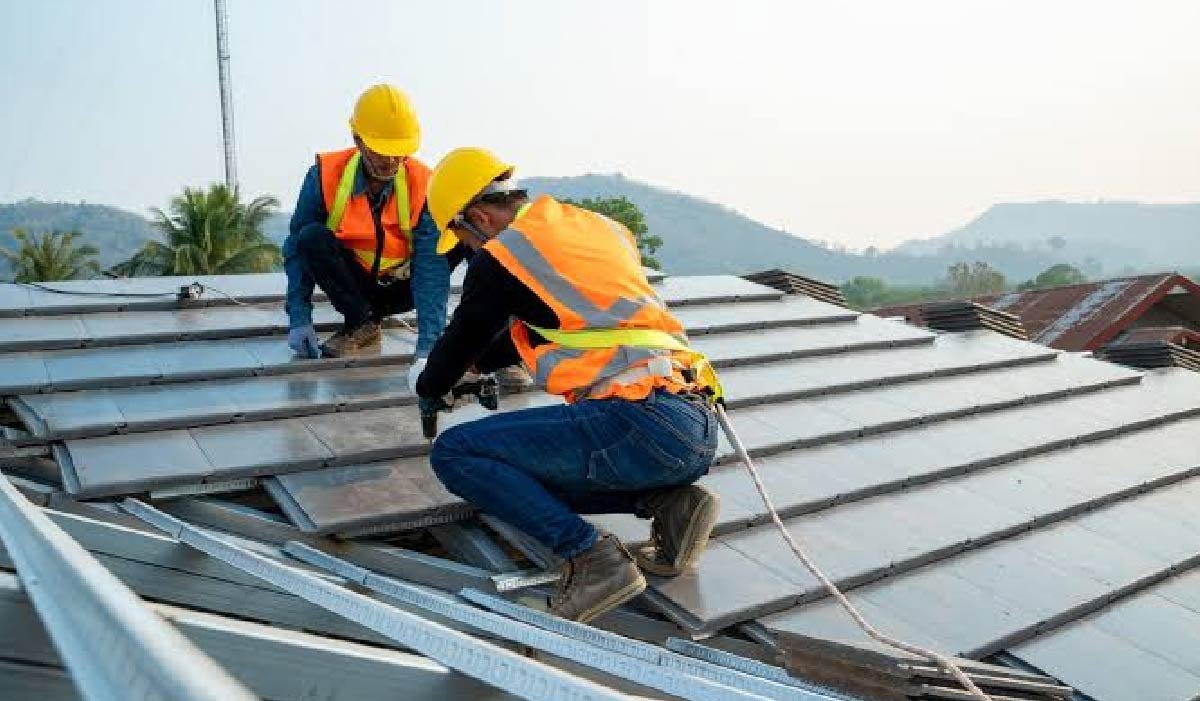
A commercial roofing system is one of the most valuable components of any business property because it protects the building, employees, equipment, inventory, and daily operations from environmental damage. Unlike residential roofing, commercial roofs often cover larger surface areas and include specialized materials, drainage systems, insulation layers, and structural components that require careful planning and professional installation. Over time, constant exposure to sunlight, heavy rainfall, strong winds, temperature fluctuations, and natural material deterioration can reduce the performance of an existing roofing system. Small leaks, damaged membranes, loose seams, and recurring drainage problems may gradually develop into serious concerns that affect the entire building. When repairs are no longer sufficient to maintain reliable protection, commercial roof replacement becomes an important investment for restoring durability and improving overall building performance. Working with experienced roofing professionals helps property owners evaluate their existing systems, select appropriate materials, and plan a replacement project that meets their building’s specific requirements while providing dependable protection for years to come.
Understanding Commercial Roofing Needs
Commercial properties have different roofing requirements depending on their size, structural design, business activities, and existing roofing materials. Warehouses, manufacturing facilities, retail buildings, offices, and industrial properties may use flat roofs, low-slope systems, metal panels, TPO membranes, EPDM roofing, or modified bitumen materials. Each system has specific installation standards, maintenance requirements, and performance characteristics that must be considered before selecting a replacement. A professional commercial roof replacement project begins with understanding how the existing roofing assembly functions and identifying the problems that have affected its performance. Roofing contractors evaluate the roof’s surface, underlying insulation, drainage arrangements, flashing, and supporting structure to determine which improvements are necessary. This detailed approach helps property owners avoid choosing materials that are unsuitable for their buildings and ensures that the replacement system provides the protection, durability, and functionality required for long-term commercial use.
Recognizing When Replacement Is Necessary
Determining the right time to replace a commercial roof requires evaluating its overall condition rather than relying only on its age. Roofing systems naturally deteriorate over time, but the rate of deterioration depends on installation quality, material selection, maintenance history, and environmental exposure. Repeated leaks, extensive membrane damage, widespread surface cracking, loose seams, persistent ponding water, and deteriorating flashing may indicate that the existing system is approaching the end of its useful life. Although isolated problems can often be corrected through professional repairs, widespread damage may make continued maintenance increasingly expensive and less effective. A professional commercial roof replacement assessment helps determine whether the existing roofing system can still provide reliable protection or whether installing a new system would be a more practical long-term decision. Understanding the condition of the roof allows business owners to plan improvements before a major failure interrupts operations or causes extensive interior damage.
Evaluating Existing Roof Conditions
Before beginning a replacement project, roofing professionals need to understand the condition of the complete roofing assembly. The visible surface may show obvious deterioration, but important problems can also exist beneath the membrane or roofing panels. Moisture trapped within insulation, deteriorating roof decking, damaged flashing, and structural weaknesses may affect the performance of a new installation if they are not addressed properly. During a commercial roof replacement evaluation, contractors examine vulnerable sections, drainage points, seams, penetrations, and other areas that may require additional attention. They also consider whether the existing insulation can remain in place or whether damaged sections should be removed. This assessment provides a clearer understanding of the work involved and helps establish an appropriate replacement strategy. Addressing hidden problems before installing new materials is essential because covering damaged components without correcting them can reduce the durability and reliability of the finished roofing system.
Choosing Suitable Roofing Materials
Selecting the right roofing material is one of the most important decisions in a commercial roofing project because material performance directly affects durability, maintenance requirements, and long-term operating expenses. TPO roofing is widely used for low-slope commercial applications because it offers a flexible membrane system with heat-welded seams. EPDM is another popular option because its rubber membrane provides flexibility and resistance to different environmental conditions. Modified bitumen systems offer layered construction, while metal roofing provides a durable solution for buildings that require a different structural and architectural approach. During commercial roof replacement, contractors should consider building design, existing structural conditions, drainage requirements, insulation needs, and the intended use of the property before recommending a particular material. The right selection should balance initial installation costs with expected service life, maintenance demands, and overall performance. Making an informed decision helps businesses invest in a roofing system that supports their operational requirements without unnecessary future expenses.
Improving Waterproofing Protection
Waterproofing is a critical consideration for commercial roofs because moisture penetration can affect large areas of a building and create costly restoration requirements. Even a small opening around a seam, flashing connection, roof penetration, or drainage outlet can allow water to enter the roofing assembly. Once moisture reaches insulation, decking, or structural materials, it may spread and cause damage that extends beyond the original entry point. A properly planned commercial roof replacement provides an opportunity to improve the waterproofing performance of the entire roofing system rather than repeatedly addressing individual leaks. Roofing professionals install suitable membranes, reinforce vulnerable transitions, and ensure that seams and connections are properly sealed according to the selected material’s requirements. Attention to these details helps prevent water intrusion and supports the long-term performance of the roof. Effective waterproofing also protects interior ceilings, electrical systems, equipment, inventory, and other valuable business assets from moisture-related damage.
Upgrading Roof Insulation
Insulation plays an important role in commercial roofing because it helps regulate indoor temperatures and supports the overall energy performance of a building. Older roofing systems may contain insulation that has deteriorated, absorbed moisture, or become less effective over time. These conditions can contribute to inconsistent indoor temperatures and increased heating or cooling demands. A commercial roof replacement project creates an opportunity to evaluate insulation conditions and determine whether upgrading materials could improve the building’s thermal performance. Roofing contractors can recommend suitable insulation products according to structural requirements, moisture conditions, energy objectives, and the selected roofing membrane. Proper installation is equally important because gaps, compression, or improperly fitted sections can reduce the effectiveness of the insulation system. Improving insulation during replacement may help businesses maintain more consistent indoor conditions while supporting long-term energy management and occupant comfort.
Managing Drainage and Water Flow
Commercial roofs often cover substantial surface areas, making effective drainage essential for preventing water accumulation and protecting roofing materials. Flat and low-slope systems depend on properly designed drainage arrangements that direct rainwater toward internal drains, scuppers, gutters, or designated outlets. When drainage systems are poorly designed, damaged, or obstructed, standing water can develop and place unnecessary stress on roofing membranes and supporting structures. During commercial roof replacement, contractors have an opportunity to evaluate existing drainage arrangements and correct problems that may have contributed to previous roofing failures. They may recommend improving drainage slopes, repairing outlets, repositioning certain components, or incorporating additional drainage solutions when appropriate. Proper water management helps reduce the risk of leaks, material deterioration, and recurring ponding problems. A replacement project that addresses drainage concerns provides more dependable protection than simply installing new roofing materials over an unchanged system with existing weaknesses.
Supporting Daily Business Operations
A commercial roofing project must be planned carefully because business operations often need to continue while installation work is being completed. Depending on the property, construction activities may affect employee access, customer movement, deliveries, storage areas, and the use of specialized equipment. A well-organized commercial roof replacement project considers these operational requirements before work begins. Roofing contractors can coordinate project stages, establish appropriate work zones, and discuss scheduling arrangements that help reduce unnecessary disruption. Businesses should also communicate any special requirements involving sensitive equipment, restricted access areas, inventory storage, or operating hours. Clear coordination between property managers and roofing professionals makes the installation process more organized and helps prevent avoidable complications. Proper planning allows businesses to address important roofing improvements while maintaining a safer and more manageable working environment throughout the project.
Understanding Energy Efficiency Benefits
An outdated roofing system can contribute to higher energy consumption when insulation, ventilation, and reflective properties are no longer performing effectively. Excessive heat absorption during warmer conditions may increase cooling demands, while inadequate insulation can allow indoor heat to escape during colder periods. Modern roofing materials may offer improved thermal characteristics that support better building performance when properly selected and installed. A professional commercial roof replacement project provides an opportunity to consider reflective membranes, suitable insulation, and other energy-conscious improvements that match the building’s design. Although energy savings depend on several factors, including climate, HVAC equipment, building usage, and installation quality, improving roofing performance can contribute to more consistent indoor temperatures. Businesses should evaluate these potential benefits as part of their overall replacement planning instead of considering roofing costs only in terms of immediate installation expenses.
Preventing Future Roofing Problems
One of the main objectives of replacing an aging roofing system is reducing the likelihood of recurring problems that can affect business operations and maintenance budgets. However, a new roof will only provide dependable performance when installation details are handled correctly and the underlying causes of previous damage are addressed. Poor drainage, inadequate insulation, improperly installed flashing, and unsuitable material selection can create new problems even after replacement. Professional commercial roof replacement requires careful attention to preparation, surface conditions, material compatibility, fastening methods, seam connections, and waterproofing details. Contractors should also explain the maintenance requirements of the selected system so property owners understand how to preserve its condition. Regular maintenance after installation helps identify developing concerns before they become serious. Combining quality materials, professional workmanship, and consistent maintenance creates a stronger foundation for long-term roofing reliability.
Understanding the Replacement Process
A successful roofing project follows a structured process that begins with evaluation and continues through preparation, installation, and final quality checks. After determining that replacement is necessary, contractors assess the existing system, discuss material options, and develop a project plan based on the property’s requirements. The next stage may involve removing deteriorated roofing materials, examining the underlying deck, replacing damaged insulation, and preparing the surface for the new installation. During commercial roof replacement, proper installation of the selected roofing system is essential because every layer contributes to the finished roof’s performance. Contractors must pay attention to membrane seams, flashing, edge details, penetrations, drainage connections, and other critical areas. Once installation is complete, the roofing system should be evaluated to ensure that important components have been properly installed and that the finished work meets the project’s requirements. A systematic process helps improve consistency and reduces the possibility of installation-related problems.
Choosing an Experienced Roofing Contractor
The quality of a commercial roofing project depends heavily on the experience and workmanship of the contractor responsible for the installation. Commercial roofing systems can involve complex materials, large surface areas, specialized equipment, and detailed waterproofing requirements that demand professional knowledge. Property owners should choose a roofing company that understands different commercial roofing systems and can explain the advantages and limitations of available options. When planning commercial roof replacement, it is important to work with professionals who provide clear communication, evaluate the complete roofing assembly, and recommend solutions based on the building’s actual condition. Houser Roofing provides roofing services involving installation, repair, maintenance, and other roofing-related solutions. Working with an experienced roofing company helps property owners approach major roofing improvements with greater confidence while ensuring that important installation details receive appropriate attention. Reliable workmanship and suitable material selection are essential for achieving a roofing system that supports the building over the long term.
Protecting Property Value
A properly maintained commercial building is generally better positioned to retain its functional value and appeal because important structural components remain protected against deterioration. Roofing conditions can influence how a property performs, how much maintenance it requires, and how attractive it appears to potential buyers, tenants, or business partners. Persistent leaks, visible roof damage, and recurring maintenance problems may create concerns about the overall condition of a building. Investing in commercial roof replacement can help address these issues by restoring the property’s protective roofing system and reducing the risk of future moisture-related damage. A professionally installed roof also demonstrates attention to property maintenance and long-term building management. Keeping installation records, warranties, maintenance documentation, and material information can provide additional value when evaluating the property’s condition in the future. A dependable roofing system supports the building’s overall functionality while helping owners protect an important commercial asset.
Planning Long-Term Roofing Maintenance
Replacing an old roof is an important improvement, but maintaining the new system is equally necessary for achieving long-term performance. Every commercial roofing material has specific maintenance requirements, and property owners should understand how to care for their selected system after installation. Routine evaluations can help identify loose flashing, damaged membrane sections, blocked drains, deteriorating sealants, and other developing concerns. After commercial roof replacement, businesses should establish a maintenance schedule that considers the roofing material, building usage, environmental exposure, and manufacturer recommendations. Keeping drainage outlets clear and monitoring vulnerable areas can help prevent unnecessary damage. Property owners should also arrange professional evaluations after significant weather events when strong winds, hail, or heavy rainfall may have affected the roof. Consistent maintenance protects the investment made during replacement and helps reduce the possibility of unexpected repair expenses.
Conclusion
A commercial roofing system provides essential protection for buildings, business operations, employees, equipment, and valuable inventory. When an existing roof develops widespread deterioration, repeated leaks, damaged membranes, or persistent drainage problems, replacement may become a more practical solution than continuing with frequent repairs. Careful evaluation, suitable material selection, effective waterproofing, proper insulation, and professional installation all contribute to the success of a new roofing system. Investing in commercial roof replacement also gives property owners an opportunity to correct existing weaknesses, improve drainage, support energy efficiency, and strengthen long-term building protection. Choosing an experienced roofing contractor ensures that the project receives the attention required for dependable results. With professional roofing solutions and consistent maintenance from Houser Roofing, commercial property owners can protect their investments, maintain reliable building performance, and create a stronger foundation for their businesses for years to come.
