

Dust, pollen, cooking emissions, pet dander, smoke, and other airborne pollutants can reduce indoor air quality and build up in enclosed spaces. Creating cleaner indoor environments requires thoughtful ventilation and purification.
Modern homes can benefit from solutions chosen based on room size, occupancy, pollutant levels, and daily activities. Choosing suitable room air cleaners can complement regular ventilation and help create a more comfortable indoor environment when the system matches the space.
Creating Healthier Spaces With Room Air Cleaners
Thoughtful air-quality planning combines ventilation, filtration, maintenance, and room-specific needs to create cleaner, more comfortable indoor environments.
1. Understanding Common Indoor Air Pollutants
Indoor spaces can contain pollutants such as dust, pollen, pet dander, smoke, particulate matter, odours, and volatile organic compounds. Sources can include cooking, cleaning products, furnishings, outdoor pollution, and everyday household activity. Understanding the pollutants present in a particular space helps homeowners select appropriate purification technologies. A solution designed primarily for particles may not address gases or odours in the same way. Considering the actual indoor environment therefore provides a stronger starting point than choosing a purifier based solely on appearance or general marketing claims.
2. Matching Purification With Room Requirements
Room size is an important consideration when selecting an air purification system. A compact bedroom and a large living area can require different airflow capacities and purification approaches. Homeowners should consider recommended coverage, airflow performance, room layout, ceiling height, and occupancy before selecting equipment. Matching the system to the space supports better performance and helps avoid equipment that is unnecessarily large or too small for the intended area. Practical sizing also helps maintain comfortable operation without creating unnecessary noise or energy use.
3. Considering Filtration and Purification Technologies
Different purification technologies address different categories of indoor pollutants. Mechanical filtration can help capture airborne particles, while activated carbon and other adsorption media may be used for gases and odours. Some systems combine several technologies to address multiple pollutant categories. Homeowners should review technical specifications carefully to understand what a system is designed to target. Considering filtration efficiency, airflow, maintenance requirements, and operating conditions provides a more useful basis for comparison than relying on a single performance claim or feature.
4. Maintaining Comfortable Indoor Environments
Air purification should work alongside other aspects of indoor comfort. Appropriate ventilation, temperature control, humidity management, and regular cleaning can contribute to a healthier-feeling home environment. Purifiers should be positioned according to manufacturer recommendations and kept clear of furniture or obstructions that could restrict airflow. Regular maintenance is also important because filters and collection components can accumulate pollutants over time. Following maintenance instructions helps equipment continue operating as intended while supporting a cleaner and more comfortable indoor environment.
Choosing the Right Air Filter for Home Environments
Selecting filtration according to household needs can improve the practicality and effectiveness of an indoor air-quality strategy.
When comparing an air filter for home use, homeowners should consider the pollutants they want to address, room dimensions, airflow requirements, filter type, replacement intervals, and maintenance needs. A filter intended for particle removal may have different capabilities from systems designed to address gases, odours, or microbial contaminants. Checking manufacturer specifications can help users understand expected performance and limitations. It is also important to follow replacement and cleaning schedules because accumulated dust can affect airflow and system performance. Selecting filtration based on the home’s actual requirements can provide a more practical long-term solution.
Smart Approaches to Connected Indoor Air Management
Technology can make indoor air-quality management more convenient by combining purification, monitoring, and automated controls within modern homes.
1. Integrating Air Purification With Smart Homes
Connected purification systems can integrate with home automation platforms, allowing users to control or monitor equipment through digital interfaces. This makes it easier to adjust settings to match household routines. Some systems can provide indoor air-quality information through mobile apps or connected displays. Smart functionality can be particularly useful for homeowners who want greater visibility into purification performance. However, connected features should complement core purification capabilities rather than become the primary reason for selecting a system.
2. Supporting Different Household Activities
Indoor pollutant levels can change according to everyday activities. Cooking may increase particles and odours, while cleaning products can contribute to airborne chemical compounds. Pets may introduce dander, and outdoor pollution can enter through windows or doors. A flexible purification strategy can respond to these changing conditions while maintaining suitable airflow. Understanding when pollutants are generated can help homeowners determine where purification equipment should be placed and which technologies are most appropriate for their household environment.
3. Reducing Unnecessary Indoor Pollutant Sources
Purification works more effectively as part of a broader effort to reduce pollutant sources. Using kitchen exhaust systems during cooking, avoiding indoor smoking, selecting lower-emission household products, and maintaining clean surfaces can help limit pollutant generation. Regular cleaning can also reduce accumulated dust and allergens. These measures do not replace air purification but can complement it. Addressing pollutant sources directly can make indoor air-quality management more comprehensive and reduce the burden placed on filtration systems.
4. Planning HVAC-Based Purification
Larger homes or buildings may benefit from purification integrated into existing heating, ventilation, and air-conditioning infrastructure. In-duct systems can treat air as it moves through an air-handling system, depending on the technology and installation. Such solutions require appropriate technical assessment because compatibility, airflow, equipment sizing, and installation requirements can vary. Professional evaluation can help determine whether HVAC integration is suitable for a particular property. This approach can be useful where whole-space air management is preferred over individual portable units.
Conclusion: Creating Cleaner and More Comfortable Homes
Improving indoor air quality requires a combination of source control, ventilation, filtration, monitoring, and appropriate maintenance. Selecting solutions according to the home’s size, occupancy, pollutant profile, and infrastructure can support a more effective approach to cleaner indoor environments.
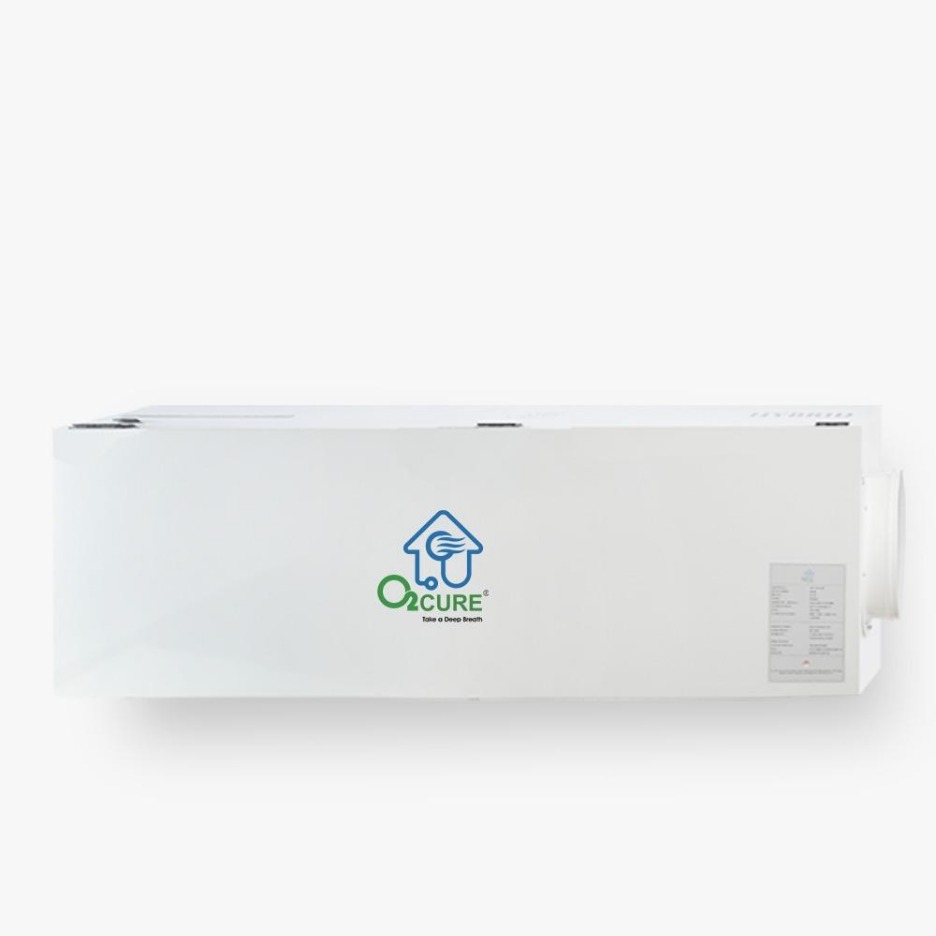
For homeowners exploring HVAC air purification, O2 Cure provides residential and integrated air-purification solutions designed for different indoor environments. Their offerings include residential systems, smart-ready floor-standing purifiers, and HVAC-compatible purification technologies. Their residential solutions are designed around factors such as space, occupancy, and pollution load, while its broader portfolio includes systems intended for integration with air-handling infrastructure. This approach allows homeowners and property managers to consider air purification according to the specific requirements of their spaces rather than relying on a single standard solution.
