

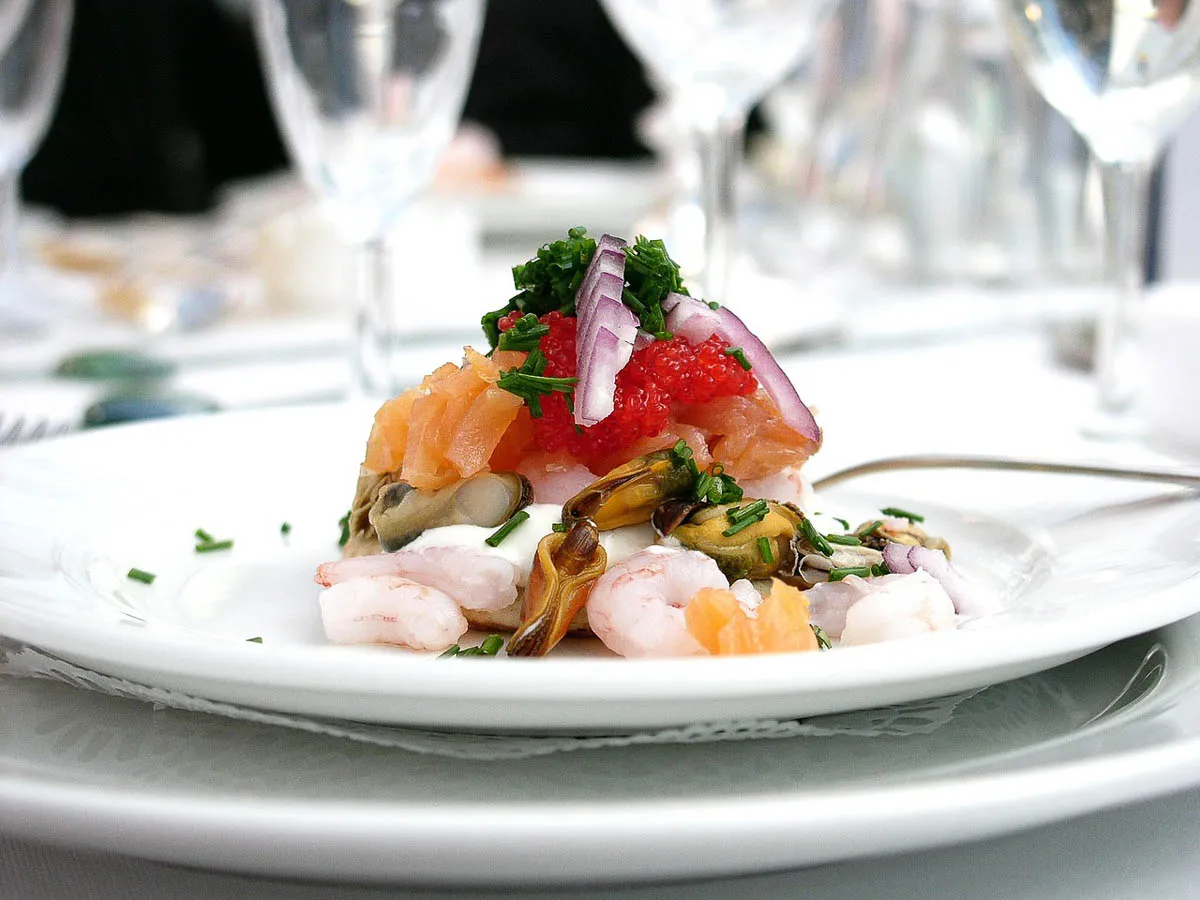
Chef’s counter dining asks more of a guest than a typical night out. You are close to the heat, the plating, and the precise timing that defines fine dining kitchens. A tasting menu lives or dies on pacing, temperature, and the clarity of flavors across a long progression. Understanding how courses relate to one another, why you are seated where you are, and how to handle pairings will help you appreciate the experience as chefs intend. Here is a practical, detailed guide to engaging with a fine dining tasting menu at a chef’s counter in New York.
-
Inside the Arc of a Chef’s Tasting Menu
Many diners search for a tasting menu in New York when they want a curated progression rather than choosing a single dish. That progression often begins with an amuse-bouche to prepare the palate, then moves through delicate seafood, richer dishes in the middle of the meal, and a savory crescendo before desserts and mignardises. A chef may layer umami through kombu or dashi in early courses, brighten with yuzu or citrus, and then build texture and fat toward the meat course. Noting how acidity, umami, fat, and temperature shift from plate to plate allows you to appreciate the menu’s structure rather than tasting isolated bites.
Think of two example courses near the start. A raw or lightly cured fish may arrive almost cold to sharpen your senses. Next, a langoustine briefly grilled over binchotan charcoal can present sweet meat, smoke, and warmth. If you taste them in that order without lingering too long between plates, the sweet, warm crustacean feels like a natural step up in richness. Wait too long, and the second course cools, the fat becomes firmer, and the intended contrast fades.
-
Seating, Sightlines, and the Open Kitchen
At a chef’s counter, placement affects what you taste and smell. Seats closer to the pass let you watch final seasoning, sauce application, and careful garnishing with tweezers. Seats near the grill or plancha provide more heat and aroma. If you are seated on an outside corner, you may see the kitchen from an angle that reveals how cooks coordinate preparation calls and timing, which can explain why dishes sometimes arrive in synchronized waves. When offered a choice, decide whether you prefer the precision of the pass or the energy of the cooking stations. Your view changes what you notice and how quickly plates reach you.
Restaurants that use this format in New York, such as The Chef’s Table at Brooklyn Fare, rely on close communication between the kitchen and dining room staff to preserve delicate sauces and maintain serving temperatures. Seeing that coordination in real time helps you appreciate why a course might be served seconds after the cook lifts a pan or wipes an edge. Many sauces and textures have a brief window when their flavor, consistency, and presentation are at their peak.
-
Pacing, Temperature, and Texture Across Courses
Temperature is not a garnish; it is part of the flavor. A turbot plated with a beurre blanc can lose its silky texture if you wait long enough for the emulsion to separate. A wagyu bite rested to a specific level of doneness will feel heavier if it cools because the fat becomes firmer and the salt may seem more pronounced. The kitchen aims to serve each plate at a temperature and texture that supports the dish’s intended character. Your role is to match that rhythm by tasting soon after the explanation finishes, without rushing the person dining beside you.
Two common mistakes are filling up on bread during delicate fish courses and adding salt before tasting. Bread can reduce your ability to appreciate the subtle flavors of an early crudo scented with yuzu or a custard topped with caviar. Salt changes a chef’s balance of acid and umami, especially in dishes built on kombu, dashi, or koji marinades where salinity is already carefully calculated. If you need to refresh your palate between richer plates, a sip of water or a palate cleanser from the pairing selection will help clear lingering flavors without overwhelming your senses.
-
Pairings: Wine, Sake, and Alcohol Free Choices
Good pairings balance the challenges that different courses create. Acidity cuts through fat, residual sugar softens spice or salt, and tannins complement protein but can clash with iodine and umami. That is why Champagne or a white wine with noticeable acidity often accompanies early raw seafood and caviar, while a subtly oxidative white or junmai ginjo sake complements broths rich in umami. For a buttery fish in beurre blanc, a wine with mineral characteristics similar to Chablis keeps the sauce from feeling heavy. For wagyu, a red with moderate tannin and fresh acidity balances the richness without introducing excessive bitterness.
There is a trade-off between a structured pairing selection and choosing bottles or individual glasses yourself. Pairing selections let the sommelier shape the progression to match the menu and often include smaller pours to manage pace and alcohol consumption. Choosing individual glasses can accommodate personal preferences but may struggle to follow dramatic transitions from bright citrus flavors to the deeper richness of concentrated meat sauces. Many fine dining restaurants now offer alcohol free pairings with house infusions, teas, and verjus blends. These can provide carefully calibrated acidity and bitterness without relying on alcohol. If you are unsure, ask whether a small tasting pour is available. Glassware also matters, and many restaurants serve Champagne in white wine glasses to release its aromas rather than concentrating the bubbles in a narrow flute.
Etiquette, Allergies, and Small Decisions That Matter
Disclose allergies and firm food aversions when booking and again on arrival. Substitutions can be thoughtfully prepared, but changes requested shortly before service can disrupt the kitchen’s timing and alter the intended menu progression. Minimize perfume or cologne, as strong scents can mask the delicate aromas of broths and reduce your ability to notice subtle fragrance notes. Photography is usually permitted where restaurant policies allow it, but taking quick photographs without flash keeps you engaged in the experience and protects nearby diners from glare. When a server describes a course, allow them to finish before asking questions. The explanation often includes why a texture is delicate or why a sauce should be enjoyed immediately.
Consider which compromises will improve your evening. Asking for extensive substitutions preserves personal comfort but may reduce the clarity of a chef’s culinary theme. Early seatings may provide more time to settle into the experience, while later seatings can feel energetic as the kitchen reaches its busiest rhythm. If a dish does not meet your expectations, explain your concerns politely and clearly. Staff may be able to adjust later courses within reasonable limits. If synchronized service is part of the experience, save longer conversations for pauses between courses rather than speaking over communication at the cooking stations.
A chef’s counter tasting menu rewards attention to detail from both sides of the counter. Follow the progression to understand how acidity, warmth, and texture evolve, enjoy each plate shortly after it arrives, and choose pairings that balance flavors rather than simply repeat them. Small courtesies involving fragrance, photography, and timing preserve the dining room’s atmosphere and protect your own sensory experience. After dinner, review the menu card or notes you received. Remembering which pairings complemented certain flavors will help you make more informed choices for your next reservation, whether you return to the same counter or explore another New York tasting room.
