

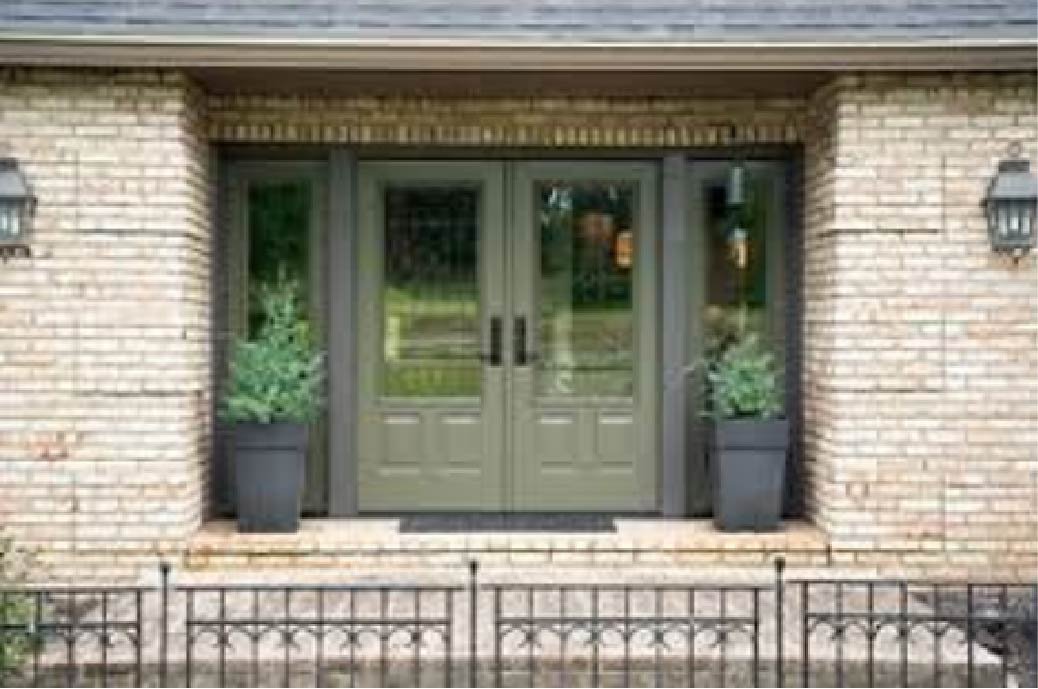
Your home works hardest when the weather doesn’t cooperate. Drafty frames, foggy glass, and doors that stick in humid months all point to one culprit: aging windows and doors that can no longer keep pace with your comfort needs. Replacing them isn’t just a cosmetic upgrade — it’s one of the most practical investments a homeowner can make.
If you’ve been putting off a replacement project because it feels overwhelming, you’re not alone. Many homeowners wait years longer than they should, nursing along outdated windows with weatherstripping and caulk. But once you understand what modern windows and doors actually do for your home’s performance, the decision becomes a lot easier.
This post walks through what to look for when replacing windows and doors, how the right choice affects your energy bills and home value, and when it makes sense to call in a professional instead of tackling it yourself.
Signs Your Windows and Doors Need Replacing
Before diving into materials and styles, it helps to know what you’re actually looking for. A few telltale signs include:
- Drafts near the frame. If you can feel outside air even when windows are closed, the seals have likely failed.
- Condensation between panes. This means the gas fill in double- or triple-pane glass has leaked out, reducing insulation.
- Difficulty opening or closing. Swollen wood frames or warped doors often signal moisture damage.
- Rising energy bills. The Department of Energy estimates that inefficient windows account for 25-30% of residential heating and cooling energy use.
- Visible damage or rot. Cracked frames, peeling paint, or soft spots around the sill are signs the structure is compromised.
Catching these issues early can save you from more expensive repairs — or worse, water damage to your home’s interior.
How New Windows and Doors Improve Energy Efficiency
Modern windows are built with a different philosophy than those from even 15 years ago. Double- and triple-pane glass, low-E coatings, and insulated frames work together to keep conditioned air inside and outside temperatures where they belong.
The same logic applies to doors. A well-insulated entry door with a tight seal does more than block drafts — it reduces the strain on your HVAC system, which means lower utility bills year-round. For homeowners in regions with extreme summers or winters, this upgrade often pays for itself within a few years through energy savings alone.
What to Look for in Energy-Efficient Materials
Not all window and door materials perform equally. Vinyl frames offer excellent insulation and low maintenance, while fiberglass provides added durability for harsh climates. Wood frames bring classic aesthetics but require more upkeep. The right choice depends on your climate, budget, and how long you plan to stay in your home.
The Return on Investment Homeowners Can Expect
Beyond comfort, window and door replacement is consistently ranked among the top home improvement projects for return on investment. According to Remodeling Magazine’s Cost vs. Value report, homeowners typically recoup a significant portion of their investment in resale value — often more than many kitchen or bathroom remodels.
That return comes from two places: the immediate boost to curb appeal and the long-term appeal of lower utility costs for future buyers. Real estate agents frequently point to updated windows and doors as a selling point, since they signal that a home has been well-maintained.
Style Options That Match Your Home’s Character
Functionality matters, but so does appearance. Today’s manufacturers offer window and door styles that suit everything from historic colonial homes to sleek modern builds. Casement, double-hung, bay, and sliding windows each bring their own look and function. Doors range from classic paneled designs to contemporary glass-and-steel combinations that let in natural light while maintaining privacy.
Choosing a style that complements your home’s architecture isn’t just about looks. The right fit can also improve functionality — a bay window, for example, adds both visual interest and extra interior space, while a well-placed sliding door maximizes natural light in smaller rooms.
Why Professional Installation Makes the Difference
Even the highest-quality window or door won’t perform well if it’s installed incorrectly. Gaps around the frame, improper sealing, or misaligned hardware can undo the energy benefits you paid for. Professional installation ensures that measurements are precise, insulation is applied correctly, and the finished product meets manufacturer specifications for warranty coverage.
Kish Windows and Doors brings decades of hands-on experience to every installation, helping homeowners choose and fit windows and doors that perform as well as they look. Working with a team that understands both the technical and aesthetic sides of replacement means fewer surprises during the project and better long-term performance once it’s done. From selecting the right glass package to ensuring a weathertight seal, professional guidance takes the guesswork out of a project that affects your home for decades to come.
Making the Decision: DIY or Professional Help?
Some homeowners consider replacing a window or two themselves, and for simple projects, that can work. But full-scale replacements — especially those involving structural changes, multiple openings, or specialty materials — benefit from professional expertise. A trained installer can spot issues like rot or structural shifting that a DIY approach might miss, preventing costly problems down the line.
If you’re weighing the decision, consider the scope of your project, the complexity of your home’s structure, and how much time you’re willing to invest. For most homeowners, the peace of mind that comes with professional installation outweighs the cost difference.
Ready to Upgrade Your Home’s Comfort and Value?
Replacing your windows and doors is one of those projects that quietly pays dividends for years — lower energy bills, a more comfortable home, and a stronger resale value when the time comes to sell. The key is choosing materials and a team that match your home’s needs and your long-term goals.
If your windows are drafty, your doors are sticking, or you simply want a fresh, energy-efficient look for your home, now is a good time to start exploring your options. A well-planned upgrade today can mean years of comfort and savings tomorrow.
