

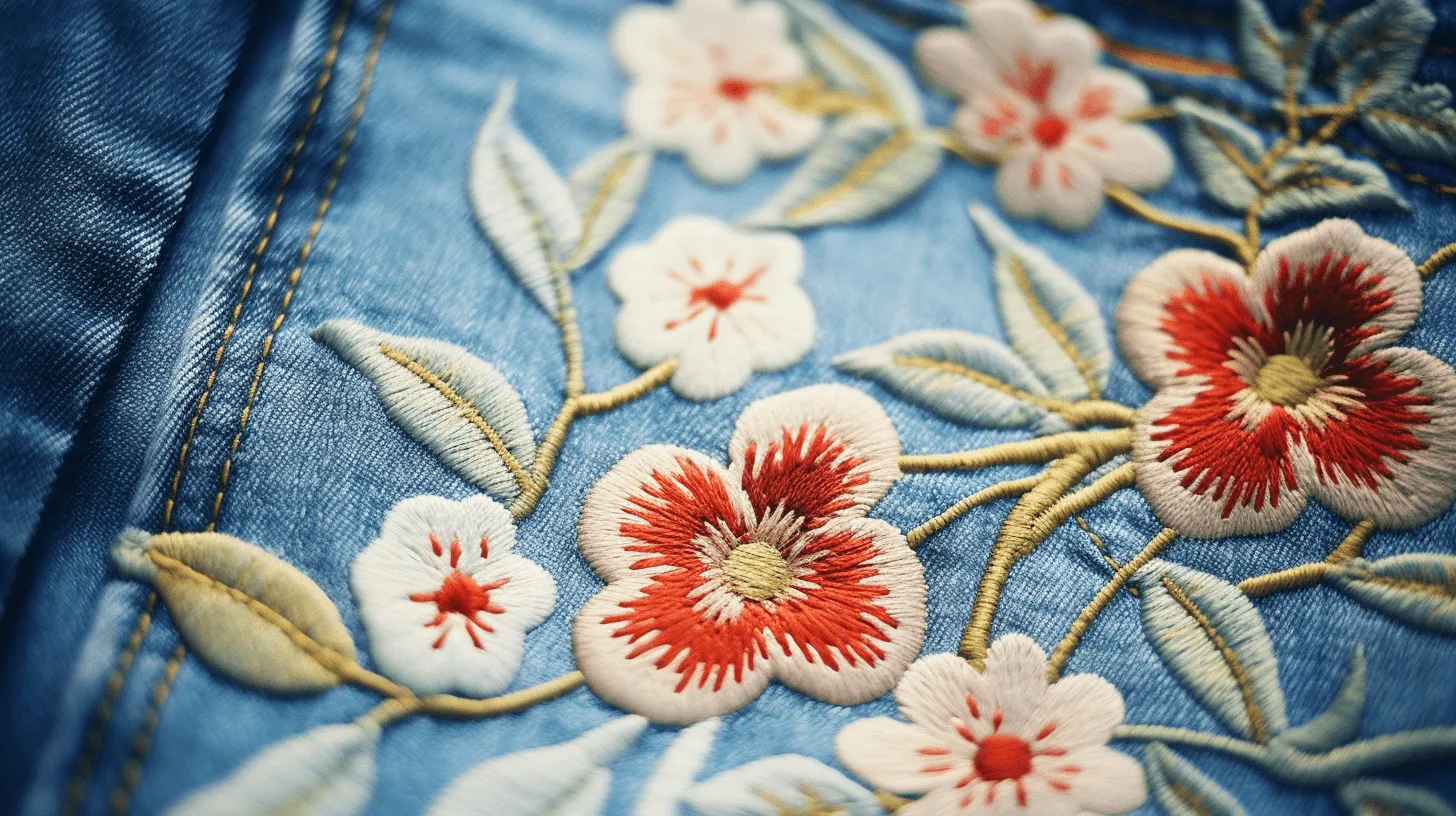
Fashion has always evolved with technology. New fabrics, faster production methods, digital design tools, and changing customer expectations have all influenced how clothing is created and sold. One of the quieter changes taking place today is the rise of digital embroidery.
Embroidery itself is not new. What has changed is the way designs are created, prepared, reproduced, and customized. Digital tools now allow fashion brands to turn detailed artwork into machine-ready stitch files, test ideas faster, and produce smaller or more personalized collections without losing consistency.
For modern fashion brands, embroidery is no longer only a decorative finishing technique. It is becoming part of product design, brand identity, customization, and even production strategy.
What Is Digital Embroidery?
Digital embroidery is the process of using computerized design files and embroidery machines to create stitched artwork on fabric. Instead of manually guiding every stitch, a design is prepared digitally and converted into instructions that tell the machine where and how to sew.
Those instructions control elements such as stitch type, stitch direction, density, thread changes, trims, and sewing sequence. Once the file is prepared, the design can be reproduced with much greater consistency across multiple garments.
This makes digital embroidery very different from simply uploading an image. A JPG, PNG, or SVG may show what a logo or graphic looks like, but an embroidery machine needs a stitch plan.
That technical preparation is what allows creative artwork to become a physical textile design.
Why Is Digital Embroidery Becoming More Important in Fashion?
Fashion customers increasingly want products that feel more individual. They may still buy familiar items such as hoodies, caps, jackets, shirts, and tote bags, but they want details that make those products feel different.
Embroidery works well in this environment because it adds texture, depth, and physical detail. A small embroidered chest mark can change the appearance of a plain sweatshirt. A stitched symbol on a sleeve can make a standard jacket feel more considered. A custom cap can become a recognizable part of a brand’s identity.
Digital production makes these ideas easier to repeat. Once a design has been prepared correctly, it can be stored, adjusted, and reused across future collections.
This helps both established brands and smaller labels experiment without rebuilding every design from the beginning.
How Is Embroidery Changing Brand Identity?
Logos are one of the most visible uses of embroidery in fashion, but successful embroidered branding requires more than placing artwork on a garment.
A logo that works perfectly on a website may contain thin lines, small text, gradients, or details that do not translate well into thread. This is where custom logo digitizing becomes important. The artwork must be adapted so the stitched version remains clear while still keeping the identity of the original design.
The result can become a repeatable brand element across products such as:
| Product | Typical Embroidery Use |
| Polo shirts | Small chest branding |
| Hoodies | Chest, sleeve, or back graphics |
| Caps | Front logos using 3D puff digitizing, side or rear text |
| Jackets | Brand marks and larger graphics |
| Bags | Logos, initials, or custom artwork |
| Patches | Standalone branded design elements |
For smaller fashion brands, this consistency is valuable. Customers may encounter the same mark on different garments, helping the brand feel more established and recognizable.
Can Digital Embroidery Support Smaller Fashion Collections?
Yes. This may be one of its most useful advantages.
Traditional fashion production often depends on larger quantities because setting up manufacturing for small runs can be expensive. Digital embroidery can work well with smaller batches because the core design information is stored in the embroidery file.
Once the file is approved, a brand may produce a relatively small number of embroidered garments, test customer response, and then reorder if demand grows.
This supports approaches such as:
- Limited-edition releases
- Small seasonal collections
- Made-to-order merchandise
- Personalized fashion
- Event-specific clothing
- Creator or influencer merchandise
For emerging brands, this can reduce the pressure to commit to large quantities before knowing whether a product will sell.
What Role Does Digital Embroidery Play in Premium Fashion?
Embroidery can also change how customers perceive a garment.
A printed logo sits on the fabric surface, while embroidery becomes part of the textile through thread. That difference can create a more substantial, tactile finish.
However, embroidery does not automatically make a garment premium. Poor stitching, uneven outlines, excessive density, or bad placement can have the opposite effect.
The premium result comes from several elements working together: clean artwork, proper digitizing, suitable thread, thoughtful placement, stable fabric, and good production control.
For fashion brands, this means embroidery should be considered during product design rather than treated as an afterthought.
How Is Technology Making Embroidery More Flexible?
Modern embroidery software allows designers and production teams to preview designs, resize certain elements, adjust colors, organize stitch sequences, and work with multiple machine formats.
This speeds up communication between designers, digitizers, and embroidery shops. A brand can send artwork digitally, review a stitch preview, request adjustments, and approve the file before garments enter production.
The process is also becoming more connected to broader digital fashion workflows. Artwork may begin in vector design software, move into embroidery software, and then be tested on physical garments.
This link between digital design and physical production is one reason embroidery continues to fit naturally into modern apparel development.
What Should Fashion Brands Get Right Before Production?
The technology may be digital, but the finished product still depends on fabric, thread, needles, and machine movement. Brands therefore need to provide accurate production information before a design is prepared.
Important details include the final embroidery size, garment type, fabric, placement, thread colors, and machine format if known.
Testing is also important. A design that looks excellent on a computer screen may behave differently on stretch fabric, thick fleece, structured caps, or lightweight cotton.
For important or bulk orders, a sample sew-out can show whether the design needs changes before production continues.
What Does the Future of Digital Embroidery Look Like?
The direction is likely to be toward greater personalization, faster design preparation, better previews, and closer integration between digital design and manufacturing.
Customers increasingly expect brands to offer some level of choice, while fashion companies want ways to create distinctive products without unnecessary inventory. Digital embroidery fits both needs.
It allows brands to keep a strong visual identity while creating variations in color, placement, text, and design. It also gives smaller labels access to production techniques that were once easier for larger businesses to manage.
The technology will continue to improve, but the quality of the final result will still depend on understanding how digital artwork translates into physical stitches.
Final Thoughts
Digital embroidery is changing modern fashion because it connects creativity with repeatable production. It gives brands more freedom to personalize products, create textured details, experiment with smaller collections, and build a consistent identity across different garments.
For businesses working with custom apparel, the advantage is not simply faster machinery. It is the ability to move from digital artwork to finished textile design with greater control.
At Genius Digitizing, we support that process by preparing high-quality, affordable embroidery files for fashion brands, embroidery shops, apparel businesses, and creators across the USA. The focus is on creating files that work in real production conditions so the finished garment carries the same quality and detail intended at the design stage.
As fashion becomes more personalized and digitally connected, embroidery is likely to remain valuable precisely because it brings something physical back into the process: texture, craftsmanship, and a design customers can actually feel.
