

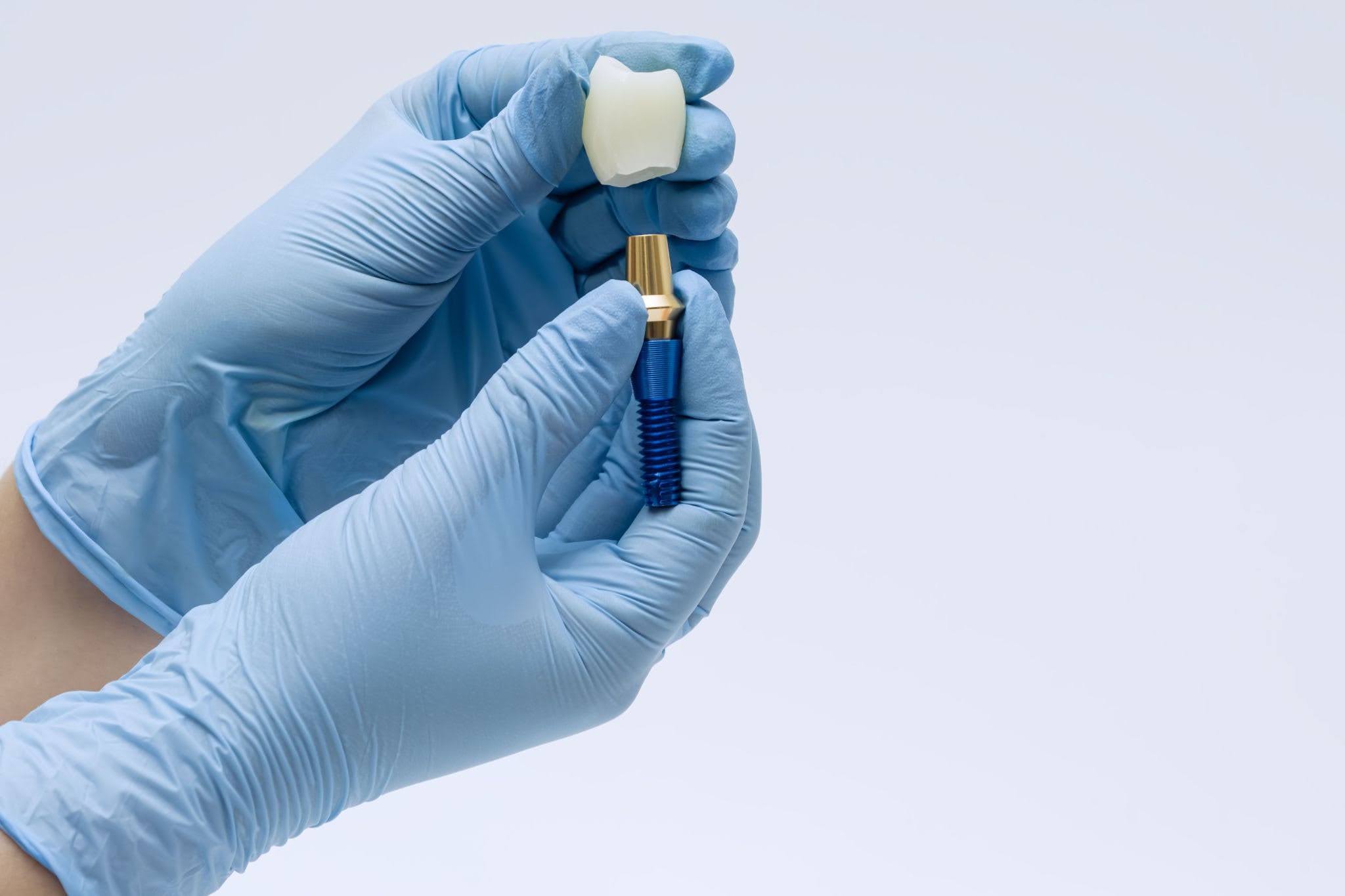
Getting a dental implant involves more than just placing a small titanium post into the jawbone. Your body needs to heal around that implant properly for it to succeed long-term. For most healthy patients, this happens without much complication. But for people living with autoimmune conditions, the healing process can look a bit different, and it’s worth understanding why.
This article explains how autoimmune conditions can affect implant success, what dentists look for before recommending treatment, and how patients with these conditions can still pursue implants safely in many cases.
How Dental Implants Depend on Healing
Before diving into autoimmune conditions specifically, it helps to understand why healing matters so much for implants in the first place.
What Happens During Healing
Once an implant is placed into the jawbone, the body needs to fuse bone tissue directly around the implant surface. This process, called osseointegration, is what gives an implant its long-term stability. Without successful fusion, an implant can remain loose or eventually fail.
Why the Immune System Plays a Role
Your immune system is directly involved in healing after any surgical procedure, including implant placement. It manages inflammation, fights off potential infection, and supports the tissue repair process needed for bone to properly bond with the implant.
What Autoimmune Conditions Actually Involve
Autoimmune conditions occur when the immune system mistakenly attacks healthy tissue in the body, rather than only targeting harmful invaders like bacteria or viruses. This can affect different parts of the body depending on the specific condition, including joints, skin, or in some cases, bone and connective tissue.
Common Autoimmune Conditions That May Affect Dental Treatment
Some autoimmune conditions that come up in discussions about dental implants include rheumatoid arthritis, lupus, Sjögren’s syndrome, and autoimmune conditions affecting bone density or healing capacity.
Why Autoimmune Conditions Can Complicate Healing
Since implants rely so heavily on a properly functioning healing process, autoimmune conditions can introduce specific challenges that dentists need to account for.
Slower Healing Response
Some autoimmune conditions affect how quickly and efficiently the body repairs tissue, which can extend the time needed for proper bone fusion around an implant. This doesn’t necessarily prevent success, but it may mean a longer healing period is needed before the implant is considered fully stable.
Increased Inflammation Levels
Certain autoimmune conditions involve chronic inflammation throughout the body. Since some inflammation is a normal part of healing after implant surgery, existing chronic inflammation can sometimes make it harder to distinguish between typical healing and a potential complication, requiring closer monitoring.
Medications Used to Manage Autoimmune Conditions
Many autoimmune conditions are managed with medications that suppress the immune system to reduce symptoms. While these medications help manage the underlying condition, they can also affect the body’s ability to heal efficiently after a surgical procedure like implant placement.
Specific Conditions and Their Impact on Implants
Different autoimmune conditions can affect implant treatment in slightly different ways, depending on how the condition affects the body.
Rheumatoid Arthritis
Rheumatoid arthritis primarily affects the joints, but it can also influence bone density and healing throughout the body. Patients with this condition may need closer monitoring during the healing phase, and dentists often coordinate with a patient’s rheumatologist regarding medication timing around the surgical procedure.
Sjögren’s Syndrome
This condition often causes significant dry mouth, since it affects the glands responsible for saliva production. Reduced saliva can increase the risk of gum disease and other oral health issues, which indirectly affects the long-term health of the tissue surrounding an implant.
Lupus
Lupus can affect multiple systems in the body, including connective tissue and, in some cases, bone health. Patients with lupus may require additional evaluation to understand how active their condition is at the time of treatment, since flare-ups can affect healing capacity.
How Dentists Evaluate Implant Candidates With Autoimmune Conditions
Having an autoimmune condition doesn’t automatically rule someone out from getting dental implants. Instead, dentists take a more detailed approach to evaluation before moving forward with treatment.
Reviewing Overall Health and Disease Management
Dentists typically want to know how well-controlled a patient’s autoimmune condition currently is. A condition that’s stable and well-managed with consistent medical care often presents a lower risk compared to one that’s poorly controlled or frequently flaring.
Coordinating With Medical Specialists
For many patients with autoimmune conditions, dentists work directly with the patient’s rheumatologist, immunologist, or other treating physician to understand the condition’s current status and discuss any necessary adjustments to medication timing around the implant procedure.
Checking Bone Density and Quality
Since some autoimmune conditions affect bone health, dentists often use imaging to closely evaluate bone density and quality in the area where an implant is planned, helping determine whether additional support, like a bone graft, might be needed.
Adjustments Dentists May Make for Patients With Autoimmune Conditions
Rather than avoiding implants altogether, many dentists simply adjust their approach to improve the chances of success for patients managing autoimmune conditions.
Extended Healing Periods
Dentists may recommend a longer healing period before placing the final crown or restoration, allowing extra time for bone fusion to fully complete, especially if healing appears slower than typical.
Additional Monitoring Appointments
Patients with autoimmune conditions might have more frequent follow-up visits during the healing process, allowing a dentist to catch any early signs of complications and address them quickly.
Timing Around Medication Schedules
In some cases, medical teams may adjust medication timing around the surgical date, working closely with the patient’s dentist to balance managing the autoimmune condition with supporting proper healing after implant placement.
Why Communication Between Patient and Dentist Matters So Much
Patients with autoimmune conditions play an important role in this process too, since sharing detailed health information helps dentists plan appropriately.
Disclosing Your Full Medical History
Being upfront about an autoimmune diagnosis, current medications, and how well-controlled the condition currently is allows a dentist to plan treatment with accurate information, rather than discovering complicating factors partway through treatment.
Discussing Flare-Up Patterns
If a patient’s condition tends to flare periodically, sharing this pattern with a dentist can help with timing the procedure during a more stable period, potentially improving healing outcomes.
Real Patient Example
Picture a patient with well-controlled rheumatoid arthritis who has been stable on their current medication for several years. After coordinating with the patient’s rheumatologist and confirming stable bone density through imaging, the dentist proceeds with implant placement, scheduling slightly more frequent follow-up visits during healing as a precaution.
Now picture a different patient with the same condition, but whose arthritis has been poorly controlled with frequent flare-ups. In this case, the dentist may recommend delaying treatment until the condition is better managed, working alongside the patient’s medical team to reach a more stable point before moving forward with implant surgery.
Both patients have the same underlying condition, but their treatment timing and monitoring look quite different based on how well their condition is currently managed.
Why Implants Are Still Often a Good Option
Despite these additional considerations, many patients with autoimmune conditions successfully receive dental implants with proper planning and coordination between their dental and medical care teams. The key difference often comes down to careful evaluation and communication rather than the autoimmune condition automatically ruling out implants as an option.
Someone with an autoimmune condition exploring dental implants lower hutt clinics offer should expect a more detailed consultation process, including questions about their specific condition and coordination with their treating physician, compared to a standard implant consultation.
Questions to Ask Before Moving Forward With Implants
Patients with autoimmune conditions considering implants may want to ask their dentist several specific questions during a consultation.
- How will my condition affect the expected healing timeline?
- Will you be coordinating with my other healthcare providers?
- What additional monitoring will happen during my healing period?
- Are there specific signs I should watch for that might indicate a problem?
Getting clear answers to these questions helps set realistic expectations and ensures both the patient and dental team are aligned throughout the treatment process.
Finding the Right Dental Team for Your Situation
Not every dental practice has extensive experience working with patients who have complex autoimmune conditions. Seeking out a practice comfortable with this kind of coordinated care can make a meaningful difference in how smoothly your treatment goes.
Patients researching dental implants lower hutt options with an autoimmune condition in mind should feel comfortable asking directly about the practice’s experience working with similar cases before committing to treatment.
Conclusion
Autoimmune conditions can affect healing after dental implant surgery, but they don’t automatically prevent someone from receiving implants successfully. With proper evaluation, coordination between dental and medical care teams, and sometimes adjusted timelines or additional monitoring, many patients with autoimmune conditions go on to have successful, long-lasting implant results.
If you’re living with an autoimmune condition and considering implants, having an open conversation with your dentist about your specific situation is the best first step toward understanding what a safe, realistic treatment plan looks like for you.
