

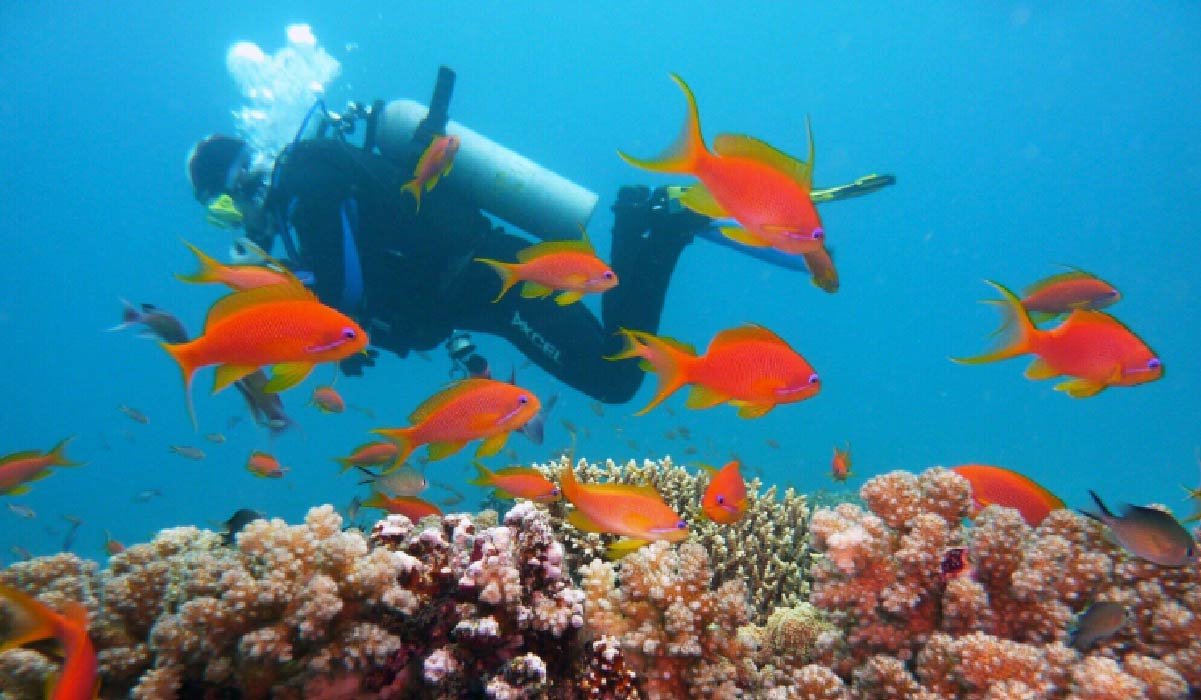
Standing on a beach or looking over the side of a boat only shows a small fraction of the ocean. The surface hides massive coral gardens, sunken ships, and entire communities of marine animals living just a few feet below.
Stepping into the water with a tank and a regulator changes how you see the planet. Modern scuba diving adventures let everyday travelers enter a quiet, three-dimensional world that stays out of reach from dry land.
Moving Through a Weightless World
On land, gravity keeps your feet glued to the ground and limits how you move through space. Underwater, a buoyancy control device and a few steady breaths let you hover in place like an astronaut. You can glide over a coral wall or pause to watch a small crab.
This sense of weightlessness changes how you interact with your surroundings. Instead of hiking up a trail to see a view, you adjust your breathing to rise or sink a few feet. That freedom of movement makes every dive feel different from any outdoor activity on dry ground.
Exploring Sunken History and Underwater Geography
The ocean floor holds more than living reefs and sandy slopes. Travelers who look into Vanuatu diving often discover that the region pairs healthy coral walls with famous World War II shipwrecks and underwater volcanic features. Seeing a sunken vessel covered in sponges and surrounded by schooling fish turns a history lesson into a physical experience.
Underwater geography rivals anything found on land. Divers can swim through natural lava tubes, hover along steep drop-offs that plunge hundreds of feet, and explore sunlit caverns. Every geological feature creates shelter for different species, so each turn reveals a new pocket of life.
Getting Close to Marine Ecosystems
Snorkeling keeps you floating at the surface, looking down from a distance. Scuba gear lets you descend to eye level with the animals that live on the reef. Fish, sea turtles, and rays tend to ignore calm divers who move slowly, which leads to natural encounters you cannot get from a glass-bottom boat.
Raja Ampat is a leading reef spot for its dense coral coverage, large fish populations, frequent manta sightings, and rich macro life. Places like this show how much variety exists in a single stretch of ocean. In just 45 minutes underwater, a diver might spot a 12-foot manta ray and a seahorse the size of a fingernail.
Finding Quiet Focus Beneath the Waves
Life on land is full of phone notifications, traffic noise, and constant schedules. Once your head drops below the surface, all of that disappears. The only sounds left are the soft crackle of snapping shrimp on the reef and the steady rhythm of your own bubbles.
Slow and controlled breathing through a scuba regulator triggers the parasympathetic nervous system, which promotes relaxation and lowers stress. You have to stay present in the moment to check your air gauge, watch your buddy, and hold your depth. That gentle focus clears the mind in a way few other hobbies can match.
What Makes Tropical Diving Destinations Stand Out
Warm-water regions draw millions of divers each year for good reason. Many tropical diving destinations offer comfortable conditions that welcome both beginners and seasoned explorers.
- Most reefs stay between 75 and 84 degrees Fahrenheit
- Calm tropical currents provide 60 to 100 feet of visibility
- Warm shallow seas support thousands of coral, fish, and invertebrate species in compact areas
- Many island reefs sit just 10 to 20 minutes from shore
These conditions take the physical strain out of diving. When you are not fighting cold water or heavy gear, you can spend your energy watching the reef come alive.
Building Skills That Open New Doors
Scuba diving is not a one-size-fits-all activity. As you log more dives, you pick up new techniques that unlock completely different environments and times of day.
Starting With Open Water Basics
An entry-level certification usually takes three to four days and qualifies you to dive down to 60 feet with a buddy. During training, you learn how to clear your mask, manage your air supply, and control your buoyancy. Those core habits give you the confidence to explore reefs around the globe.
Moving Toward Specialty Dives
Once you feel comfortable underwater, specialty courses expand what you can see. Night diving reveals octopuses, hunting moray eels, and glowing plankton that stay hidden during the day. Drift diving lets you ride ocean currents along deep walls, covering miles of reef with almost zero kicking.
Seeing Conservation Up Close
Reading about ocean health in the news is one thing, and seeing a reef with your own eyes is another. Divers witness firsthand how fragile coral polyps are and how quickly marine life bounces back in protected zones. That personal connection turns many casual travelers into active supporters of ocean conservation.
Responsible divers follow a few simple habits to leave every site better than they found it:
- Keep fins and dangling gauges tucked away
- Wear reef-safe sunscreen or protective clothing
- Observe wildlife from a respectful distance
- Collect stray fishing line or plastic wrappers
Small actions add up when thousands of divers visit the same reefs each season. Good habits protect the underwater world for the next group of explorers.
Planning Memorable Scuba Diving Adventures
Getting the most out of your time underwater starts with picking the right trip for your experience level. Calm, shallow bays are great for new divers who want to practice buoyancy without worrying about strong currents. More experienced divers might seek out remote atolls, deep wrecks, or seasonal migrations of sharks and whales.
Timing matters just as much as location. Checking local rainy seasons, water temperatures, and wildlife calendars helps you line up the best conditions for your scuba diving adventures. Working with knowledgeable local guides to know where tiny critters hide and how to read shifting tides.
Discover the Beauty and Wonder of the Underwater World
Exploring the ocean on scuba gear offers a perspective that no documentary or shoreline walk can replace. You step out of the everyday world and become a quiet guest in a place that covers more than 70 percent of the Earth.
Whether you are floating over a shallow coral garden or drifting past a sunken ship, every dive leaves you with a deeper appreciation for the life thriving just beneath the surface. Ready to dive into similar articles? Visit our website.
