

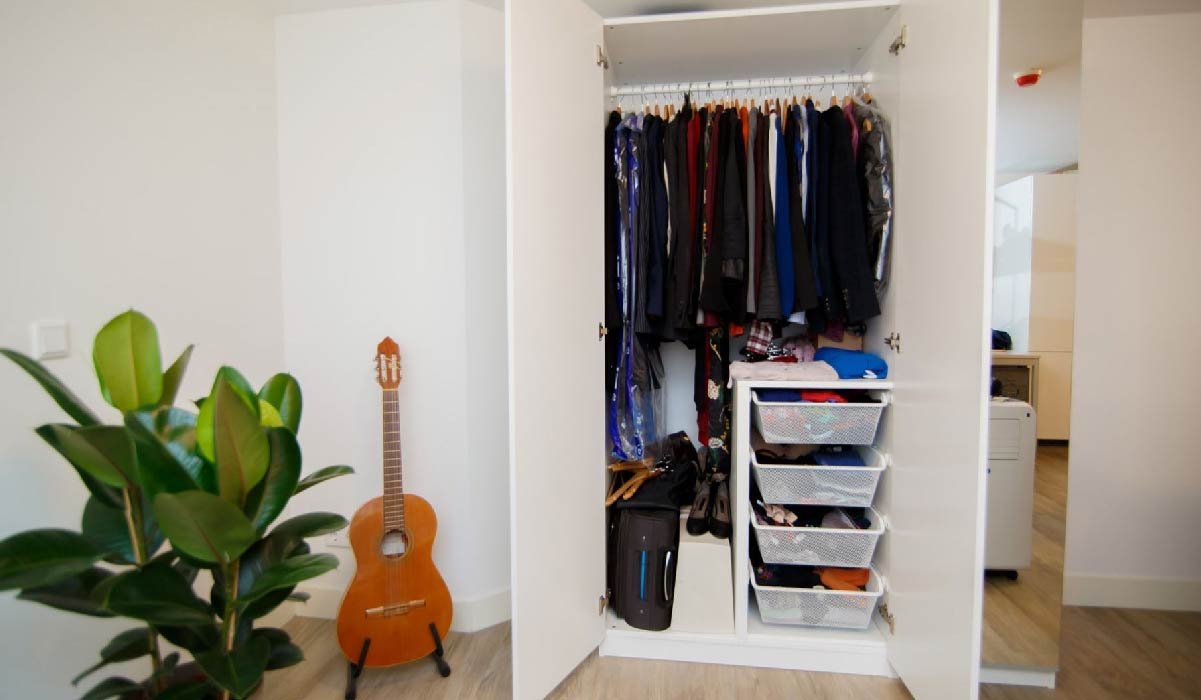
You finally have a wardrobe with plenty of space. There’s room for your clothes, shoes, bags, and everything else you’ve collected over the years. Yet somehow, you’re still struggling to find your favourite shirt on a Monday morning.
Sound familiar?
The problem might not be how much storage you have. It could be how that storage is arranged. A poorly planned wardrobe can waste an incredible amount of space, while a smaller, thoughtfully designed one can make everyday life much easier.
Before investing in a bigger wardrobe, it’s worth looking at what actually makes storage work.
More Space Doesn’t Automatically Mean Better Organisation
One of the biggest misconceptions about wardrobe storage is that bigger is always better.
Imagine a wardrobe stretching across an entire bedroom wall. It looks impressive, but inside, there’s one long hanging rail, a shelf near the ceiling, and a large empty area at the bottom.
You might have plenty of room, but are you using it properly?
Long dresses compete with shirts for hanging space. Shoes end up scattered across the floor. Smaller accessories disappear into drawers filled with unrelated items.
The issue isn’t necessarily a lack of storage. It’s the absence of a practical layout.
A well-designed wardrobe divides available space according to what you actually own and how frequently you use it.
That means your everyday clothes stay accessible, seasonal items have somewhere sensible to go, and nothing gets buried beneath a mountain of forgotten belongings.
Your Daily Routine Should Shape the Wardrobe Design
Think about how you get dressed each morning.
Do you prefer hanging most of your clothes? Do you fold your shirts? Are you constantly searching for matching shoes or accessories?
These habits should influence your wardrobe layout.
Someone who wears business clothes regularly might benefit from additional hanging space for jackets, trousers, and shirts. A person with a large collection of casual clothing might need more drawers and adjustable shelving.
There’s no single arrangement that works perfectly for everyone.
This is where working with expert wardrobe designers in Sydney can make a difference. A professionally planned wardrobe can account for your available space, storage habits, and preferred style instead of forcing everything into a standard cabinet configuration.
The goal is to create storage that feels natural to use, rather than something you constantly have to reorganise.
The Most Common Wardrobe Layout Mistakes
Even attractive wardrobes can become frustrating when certain design details are overlooked.
Too Much Hanging Space
Hanging rails are useful, but they aren’t always the most efficient option.
If most of your clothing consists of T-shirts, jumpers, and casual wear, allocating an entire wall to hanging space might leave valuable storage unused.
Drawers or shelves could provide a better solution for those items.
Shelves That Are Too Deep
Deep shelves might seem practical because they hold more belongings.
Unfortunately, anything pushed towards the back can become difficult to reach.
You end up stacking clothes in front of other clothes, and before long, you’re pulling everything out just to find one jumper.
Shallower shelves or pull-out storage can help keep items visible and accessible.
Ignoring Vertical Space
Many wardrobes leave unused space between the upper shelf and the ceiling.
That area can be valuable for storing suitcases, spare bedding, or seasonal clothing.
The trick is keeping frequently used items within comfortable reach while reserving higher sections for belongings you rarely need.
Forgetting About Smaller Accessories
Belts, jewellery, watches, and handbags often become an afterthought.
Without dedicated compartments, these items tend to accumulate in random drawers.
Even a few carefully positioned dividers can make a noticeable difference.
Built-In Wardrobes Can Make Awkward Rooms More Practical
Not every bedroom has a straightforward layout.
Some Sydney homes have narrow bedrooms, unusual corners, sloping ceilings, or limited wall space. Standard freestanding wardrobes don’t always fit comfortably into these areas.
A built-in wardrobe can make better use of the available dimensions.
For example, a wardrobe designed to fit into an existing alcove can provide storage without unnecessarily extending into the room.
Sliding doors may also be useful in smaller bedrooms because they don’t need the clearance required by traditional hinged doors.
However, sliding doors aren’t automatically the best choice. Their overlapping panels limit how much of the wardrobe you can open at once.
The right option depends on the room’s dimensions and how you prefer to access your belongings.
Don’t Overlook the Inside of Your Wardrobe
It’s easy to spend most of your attention choosing door colours, handles, mirrors, and finishes.
Those details matter, especially when you want your wardrobe to complement the bedroom.
But the interior deserves just as much consideration.
Think about features such as adjustable shelves, soft-close drawers, double hanging rails, and dedicated shoe storage.
A double hanging arrangement, for instance, can be useful for shorter garments because it allows two levels of clothing storage within the same vertical area.
Adjustable shelving offers flexibility when your belongings change.
Good lighting can help too, particularly inside deep wardrobes or rooms with limited natural light.
These features don’t have to be expensive or elaborate. Sometimes a simple arrangement, planned around the right measurements, works better than complicated storage accessories.
Plan for What You’ll Own in Five Years
Your wardrobe shouldn’t only accommodate the clothes you own today.
Storage needs change.
You might start working from home, develop a different clothing style, or need additional space for another family member.
That’s why flexibility deserves consideration during the design stage.
Adjustable shelves, removable dividers, and adaptable hanging sections can make future changes easier.
It also helps to avoid designing every compartment around one specific item.
A perfectly sized section for your current handbag collection might become less useful if your storage priorities change.
Think about what could realistically change over the next few years and leave some room to adjust.
What to Consider Before Ordering a Custom Wardrobe
Before committing to a design, take a little time to assess your existing storage.
Start by removing clothes and accessories you no longer use. There’s little value in designing expensive cabinetry around belongings you don’t actually want to keep.
Next, group your remaining items into categories.
Look at how much hanging space you need compared with folded storage. Count your shoes. Consider whether large items, such as luggage or spare blankets, need dedicated space.
Then assess the bedroom itself.
Pay attention to windows, power outlets, skirting boards, and the clearance around your bed.
A wardrobe might fit perfectly against a wall but still make the bedroom feel cramped if its doors or drawers interfere with nearby furniture.
When reviewing a proposed design, ask to see the internal layout rather than focusing entirely on the exterior appearance.
You should understand where your belongings will go before installation begins.
A Practical Wardrobe Makes Everyday Life Easier
A larger wardrobe might seem like the obvious answer when your bedroom feels cluttered, but extra storage doesn’t guarantee better organisation.
The real improvement comes from making thoughtful decisions about layout, accessibility, and how you use your belongings.
A wardrobe that fits your room, accommodates your habits, and allows for future changes can be far more useful than a bigger cabinet with poorly arranged compartments.
Before deciding that you need more space, take another look at the space you already have. You might be surprised by how much better it could work.
