

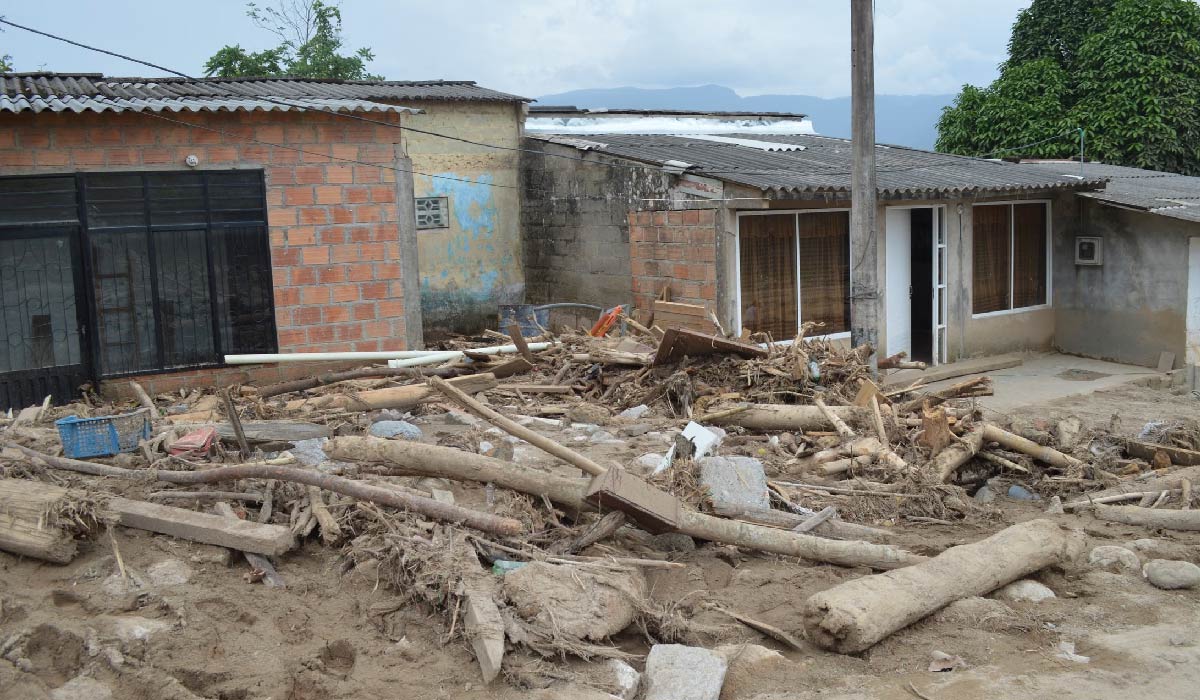
Water damage rarely arrives with good timing. A burst pipe, roof leak, backed-up drain, or appliance failure can turn a normal day into a cleanup sprint. If you act quickly and make smart choices, you can limit structural damage, mold growth, and repair costs. The key is knowing what matters first, what can wait, and when a problem has moved beyond DIY territory. A soaked floor is messy. A hidden moisture problem is where things get expensive.
Know the Difference Between a Small Leak and a Real Restoration Job
Not every spill becomes a major project, but not every puddle is harmless either. Surface water is only part of the story.
A bathroom overflow caught within minutes may need drying, cleaning, and minor repairs. A pipe leak inside a wall for several days can soak insulation, framing, drywall, and subflooring before you even notice a stain. By that point, you’re not dealing with cleanup alone. You’re dealing with material failure and possible microbial growth.
When moisture has spread into structural materials, many homeowners end up needing professional water damage restoration to remove damaged materials, dry hidden areas, sanitize surfaces, and verify that moisture levels are back to normal. That process usually involves industrial air movers, dehumidifiers, moisture meters, and thermal imaging.
If the water has touched walls, ceilings, cabinets, or flooring seams, assume it traveled farther than you can see.
Start With Safety Before You Touch Anything
Your first job is not saving the rug or moving furniture. It’s making sure the space is safe enough to enter.
Water and electricity are a famously bad duo. If water is near outlets, appliances, or your breaker panel, shut off power to the affected area only if you can do it safely. If not, wait for an electrician or emergency professional. Watch for sagging ceilings, warped floors, and contaminated water from sewage backups.
Take photos and video before moving items around. That documentation can help with insurance claims and contractor discussions. Then stop the source if possible. Shut off the main water valve for plumbing failures, place buckets under active leaks, and avoid using affected fixtures.
Quick action matters, but reckless action creates a second emergency. No one needs that kind of sequel.
Remove Water Fast and Dry in the Right Order
Time has a direct effect on damage. Within hours, water can seep into baseboards, laminate edges, and drywall. Within a day or two, materials start swelling, staining, and breaking down.
Start by removing standing water with a wet/dry vacuum, pump, or towels for very small areas. Open windows if outdoor conditions are dry, and use fans only after standing water is gone. Add dehumidifiers early, because evaporation without dehumidification can simply move moisture around the room.
Move furniture off wet flooring and place aluminum foil or wood blocks under legs to reduce staining and transfer. Pull wet area rugs out of the space. Lift cushions and separate items so air can circulate.
Drying should move from bulk water removal to air movement to humidity control. If you skip that order, you may end up drying the top layer while moisture lingers underneath, quietly plotting its comeback.
Watch for the Hidden Trouble Spots Most Homeowners Miss
Visible damage gets attention. Hidden damage is what drags projects out for weeks.
Drywall can look fine on the outside while the cavity behind it stays damp. Hardwood may cup days after the event. Vinyl flooring can trap water underneath, especially if seams or edges were breached. Insulation loses performance once soaked and often needs replacement. Cabinets near dishwashers and sinks may absorb water from the bottom up, which makes damage easy to miss at first glance.
Pay close attention to:
– Baseboards and trim joints
– The underside of cabinets
– Closet corners on shared plumbing walls
– Ceiling areas below bathrooms or laundry rooms
– Flooring transitions between rooms
– Around HVAC vents and returns
A musty smell is not “probably nothing.” It usually means moisture stuck around long enough to start changing the indoor environment. That’s your cue to investigate, not light a candle and negotiate with the odor.
Understand How Insurance Usually Views Water Damage
Insurance can help, but coverage depends on the cause, timing, and policy language. Sudden and accidental events, such as a burst supply line, are often treated differently from long-term neglect or maintenance issues.
Call your insurer early and ask specific questions. Find out whether they want a field adjuster visit before major removal work begins. Keep receipts for emergency supplies, temporary lodging if needed, and mitigation services. Save damaged items when practical until the claim is reviewed.
Use clear descriptions. “Water came through the ceiling under the upstairs bathroom after a pipe failed” is more useful than “there was a leak.” Precision helps.
Also ask about mold limits, deductible amounts, and whether replacement cost or actual cash value applies. Those details shape what you can recover financially.
Even if coverage is uncertain, delaying mitigation can increase damage. Insurance disputes are frustrating. Mold growth with no drying plan is worse.
Decide What You Can Salvage and What Needs to Go
Some materials recover well. Others don’t. Making those calls early can save money and shorten repair time.
Hard, non-porous surfaces such as metal, glass, and many plastics can often be cleaned and dried successfully. Solid wood may be salvageable depending on saturation time and warping. Drywall, insulation, particleboard, and laminate often perform poorly after significant soaking. Upholstered furniture can go either way depending on the water category and how quickly drying begins.
Use a practical lens:
– Keep items with high value and realistic restoration potential
– Discard porous materials exposed to contaminated water
– Replace materials that trap moisture and cannot be fully dried
– Prioritize structural safety over cosmetic attachment
Sentimental items complicate decisions, which is understandable. Family photos, documents, and textiles may need specialty drying or archival help. If an item matters deeply, isolate it, photograph it, and ask a restoration specialist what’s possible before giving up on it.
Prevent the Next Water Event Before It Starts
After cleanup and repairs, the smartest move is reducing the odds of a repeat performance.
Inspect supply lines under sinks, behind toilets, and at your washing machine. Replace old rubber hoses with braided steel versions. Check your water heater for rust, age, and minor leaks around fittings. Clean gutters and confirm downspouts discharge away from the foundation. Test sump pumps before storm season, not during it. Seal roof flashing issues and monitor attic ventilation.
A few upgrades can also help:
– Smart leak detectors near appliances and water heaters
– Automatic shutoff valves
– Drain pan alarms
– Annual plumbing inspections for older homes
– A home inventory stored digitally for claims support
Water damage often starts as a small mechanical failure and turns into a large financial one. Staying alert to warning signs, acting fast, and getting the right help can protect both your house and your sanity. That’s a solid trade.
