

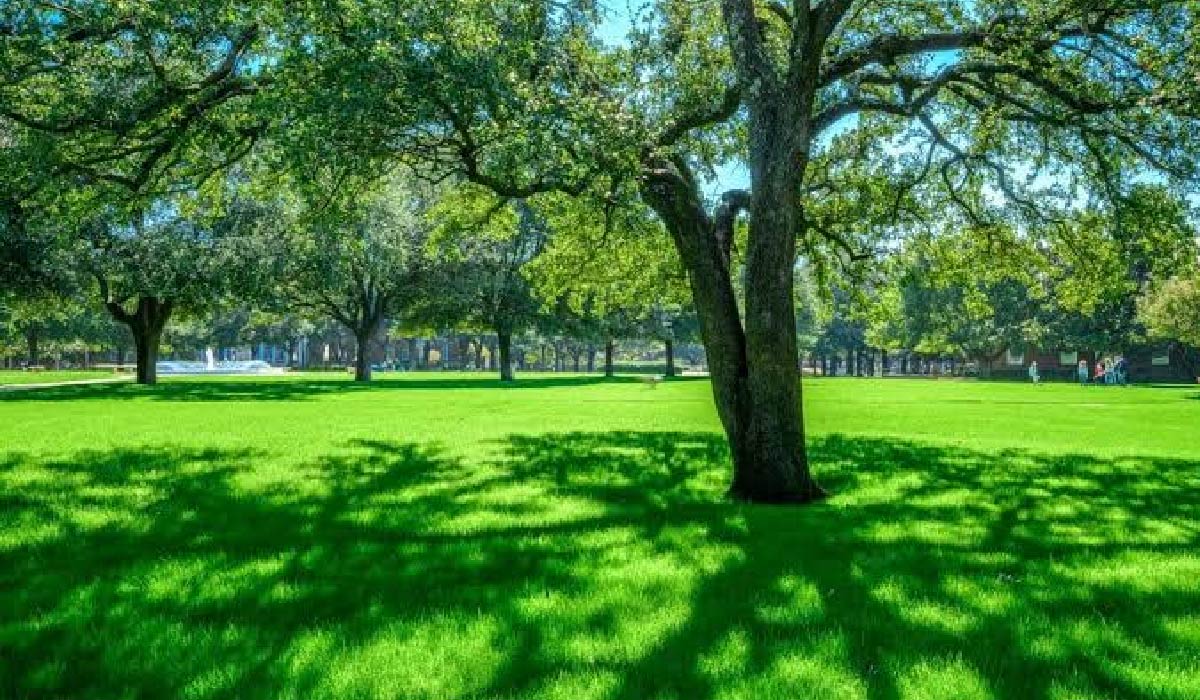
A mature tree can shape how a garden feels and functions. It may shade a living area, frame a view or make an outdoor space more comfortable in summer. It can also complicate plans for paving, an extension or a new garden layout. When a tree appears to be in the way, the first useful step is to define the problem precisely. Is the concern about safety, maintenance, access, light or simply the position of a proposed structure? Each question points towards different options, and some may allow the tree to remain part of the plan.
Start with what the tree contributes
Before drawing a new layout, spend time observing the space at different times of day. A canopy that seems inconvenient in winter might provide welcome shade through an Australian summer. Consider whether the tree screens a neighbouring window, shelters a seating area or gives the garden a sense of scale that new planting would take years to replace.
There are less visible considerations too. Birds and other wildlife may use the tree, while established roots and surrounding soil form part of the site’s existing conditions. None of this means a tree must stay regardless of circumstances. It does mean that its benefits deserve a place alongside construction costs, upkeep and the intended use of the space. Photographing the area and noting what works now can make those trade-offs easier to discuss.
Separate the symptom from the cause
Tree concerns often arrive as a bundle: fallen leaves, a lifted paver and a damp patch may all be blamed on the same tree. They may not have the same cause or require the same response. Leaves might be manageable through a different gutter-maintenance routine. Uneven paving may call for an assessment of the surface and what lies beneath it. A drainage problem needs to be understood before anyone assumes roots are responsible.
Likewise, a branch above a roof is not, by itself, a complete assessment of risk. Its condition, the tree’s structure and the setting all matter. A qualified arborist can assess tree-specific questions, while a builder, drainage specialist or other relevant professional may be needed for concerns involving structures or services. Asking each person to explain the evidence behind their view helps prevent a costly decision based on a guess.
A short checklist before settling on a plan
Once the concern is clear, bring it into the design conversation early. Even when tree removal enters that conversation, ask what particular problem it would solve and whether another change could solve it while retaining the tree. A practical review might cover:
- The proposed footprint: Could a path, deck, garden bed or other planned feature move without undermining its purpose?
- The tree’s condition: Has its health and structure been assessed by someone appropriately qualified, rather than judged from appearance alone?
- The surrounding ground: Would proposed excavation, soil compaction or changes to drainage affect the tree, even if the trunk is left untouched?
- Day-to-day use: Is the difficulty seasonal, such as leaf drop or shade, and would a maintenance change address it?
- Permissions and neighbours: Have you checked the relevant local council requirements and discussed any shared concerns before committing to work?
This checklist is not a substitute for site-specific advice. Its value is in making the decision more deliberate: the answer to a safety concern may be different from the answer to a design preference.
Designing around a living tree
Keeping the trunk standing is only part of retaining a tree. Construction activity nearby can change the conditions it depends on. Digging, storing materials, driving machinery over soil or altering ground levels may affect roots or water movement. The practical question is not merely whether a new feature fits beside the tree, but how it would be built and used over time.
Where the layout is still flexible, ask the designer and an arborist to discuss constraints together. Moving a paved area, choosing a different route for a path or leaving more open ground around the tree may be worth exploring. Avoid assuming that pruning will make every proposal workable: removing too much growth or cutting roots can create other problems. Any tree work should be assessed and carried out by suitably qualified people rather than treated as a weekend task.
When keeping the tree may not be the answer
Retention is not always practical or appropriate. A tree may have significant defects, conflict with essential work or occupy space that cannot reasonably be redesigned. If that appears to be the case, seek a clear explanation of the options and their consequences. Ask what has been observed, what remains uncertain and whether a different approach would meaningfully change the outcome.
Before arranging substantial work, check whether local council rules or other requirements apply to that tree and property. Requirements can vary, so a neighbour’s experience is not a reliable substitute for checking your own situation. If the tree is near a boundary, early conversation may also help clarify concerns, though it does not replace any necessary professional or regulatory advice.
A good plan need not preserve every feature of a garden. It should, however, make room for an honest assessment before a mature tree is changed. By identifying the real problem, testing alternatives and getting the right site-specific advice, homeowners can make a choice that works for the space they have now and the way they hope to use it later.
