

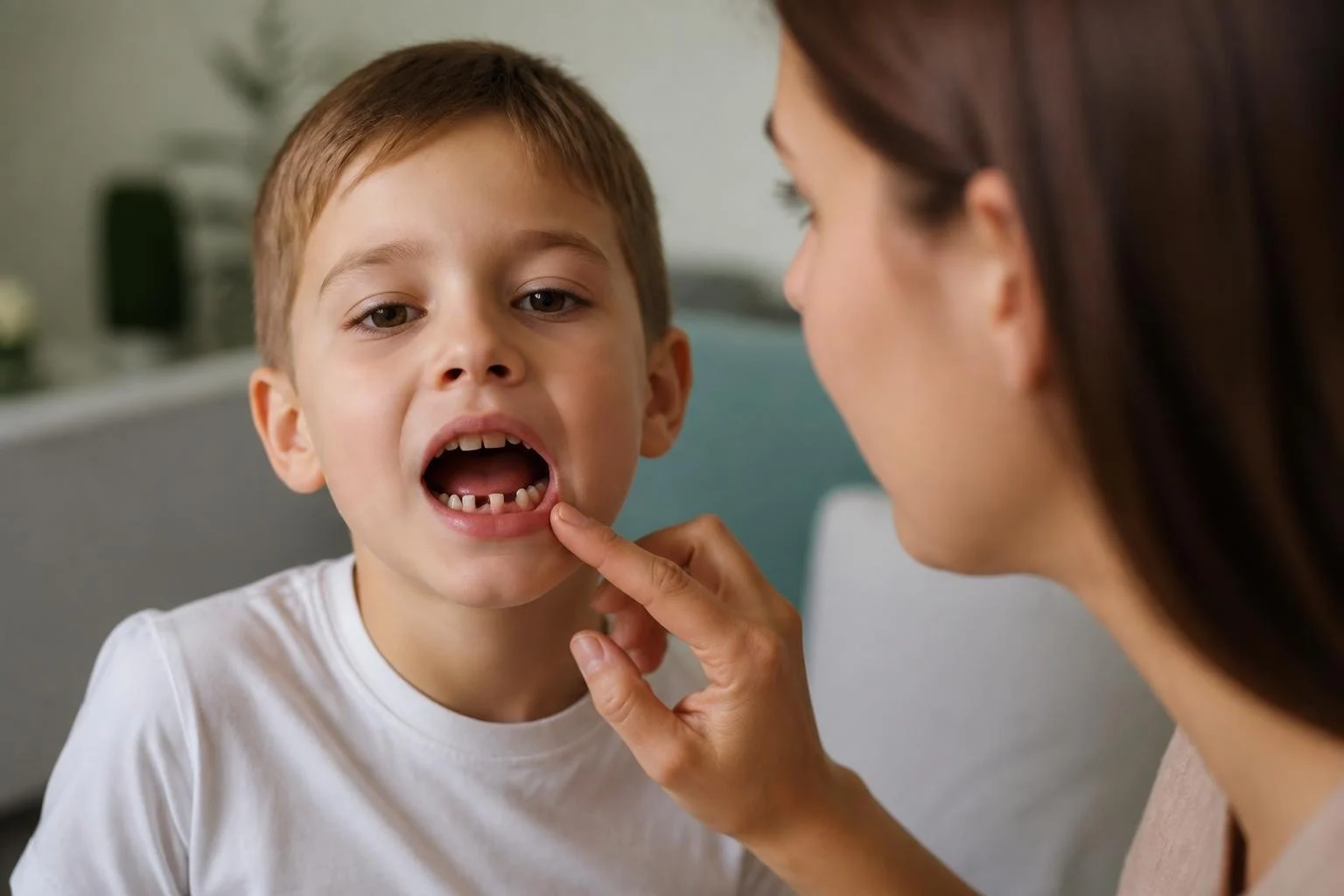
Playground trips, scooter crashes, and sports collisions can turn into a dental emergency in seconds. When a child chips a front tooth or knocks one out entirely, the first hour is critical for comfort and long-term results. Knowing whether the tooth is a baby tooth or a permanent one, how to control bleeding, and what to do with a tooth that came out can change the outcome. This guide outlines concrete first-hour steps for common injuries, explains when the emergency room is the right call, and highlights mistakes that complicate treatment. Keep it handy, so if a mishap happens, you can move from panic to a practical plan.
-
Quick Injury Check: Baby Tooth or Permanent Tooth?
Start by identifying which tooth is involved. Early elementary-age children often have newly erupted permanent incisors that appear slightly larger and may show faint ridges called mamelons along the biting edge. Baby incisors are smaller and more uniform. If you are unsure, check the matching tooth on the other side for size and shape or ask your dentist’s office to help you identify it over a quick photo. This distinction matters because treatment for a knocked-out permanent tooth may include replantation, whereas you should not place a baby tooth back into the socket. After all, a permanent tooth is developing underneath.
If you need immediate guidance, call your child’s regular dentist. In Denver, practices that focus on children’s care, such as Children’s Dentist Denver (GENERAL DENTISTRY), can often advise by phone on whether to head to the ER or come into the office and how to handle the tooth on the way.
-
Immediate Home Care Steps by Injury Type
Chipped or fractured tooth: Gently rinse yourchild’ss mouth with clean water or saline to remove blood and debris. If you find a tooth fragment, place it in cold milk or saline to keep it hydrated; sometimes a dentist can bond it back—control bleeding by having your child bite on folded gauze for 10 minutes. To protect the tongue and lips from a sharp edge, cover the corner with orthodontic wax or, if that is not available, a tiny piece of sugar-free gum. Offer a cold compress on the lip or cheek to reduce swelling. Avoid hot liquids, as heat can increase sensitivity in exposed dentin and pulp.
Tooth knocked out completely (avulsion): For a permanent tooth, pick it up only by the crown, not the root. If dirt is present, briefly rinse with saline or milk without scrubbing. If your child is calm and cooperative, gently place the tooth back into the socket and have them bite down on gauze to hold it in place. If replanting is not possible, put the tooth in a tooth-saver solution, cold milk, or saline. Do not store it dry or in tap water, which can damage ligament cells. For a baby tooth, do not replant it, as that can injure the developing permanent tooth bud. Either way, call the dentist promptly to discuss next steps.
-
When to Choose the ER Versus the Dental Office
Go to the emergency room if there are head injury signs such as loss of consciousness, vomiting, severe headache, or confusion; if bleeding will not stop after firm gauze pressure; if you suspect a jaw fracture; or if a tooth has been driven into the gums, creating breathing or swallowing concerns. Deep cuts that cross the lip border often need stitches from an ER or urgent care clinician. A scenario to keep in mind: a bicycle crash that knocks out a front tooth and also causes dizziness and nausea. In that case, treat the head injury first in the ER while keeping the tooth moist and stable.
Otherwise, many injuries are best handled quickly in a dental office, where radiographs can assess the roots and bone, and treatments like bonding a broken corner, placing a flexible splint for a loosened permanent tooth, or smoothing rough enamel can be done on the spot. For significant fractures that expose the pulp, the dentist may place a protective material and a temporary restoration to calm the tooth until definitive care. A loosening injury often benefits from splinting with composite resin and a small wire, followed by soft-food guidance and close follow-up.
-
Avoid These Common Mistakes That Complicate Treatment
Scrubbing a knocked-out tooth to “clean it up” can remove the delicate periodontal ligament cells that help it reattach, reducing its chances of survival. Storing the tooth dry or in tissues also harms those cells; use milk, saline, or a tooth-saver kit instead. Replanting a baby tooth is another frequent error and can damage the permanent tooth developing underneath. Giving aspirin to a young child is unsafe; use an age-appropriate pain reliever if recommended by your pediatrician. Vigorous swishing or spitting can dislodge a forming blood clot, so encourage only gentle rinsing. Finally, delaying the call to the dentist because the mouth “looks okay” can allow a hidden root fracture or pulp exposure to worsen.
-
Follow-Up Matters: Splints, Diet, and Monitoring for Healing
After initial care, follow your dentist’s instructions closely. If your dentist placed a flexible splint, keep your child on a soft diet and avoid biting with front teeth until it is removed. Use a gentle brushing routine around the injured area and warm saltwater rinses to keep gums clean. Watch for warning signs over the next several weeks: increasing pain with temperature changes, darkening of the tooth, a pimple-like spot on the gum, or swelling. These can indicate pulp injury or infection that may require additional treatment. For sports, a well-fitting mouthguard can reduce the risk of another incident while healing progresses.
You cannot prevent every tumble, but a simple plan makes dental mishaps more manageable. Identify the tooth type, control bleeding with gauze, protect fragments in milk or saline, avoid scrubbing roots, and call a dentist promptly for guidance. Knowing when the ER is the safer first stop and when the dental office is the right destination keeps care on track. With timely steps and follow-up, many chipped, loosened, or even knocked-out teeth can be treated successfully, helping kids return to school, sports, and smiles sooner.
