

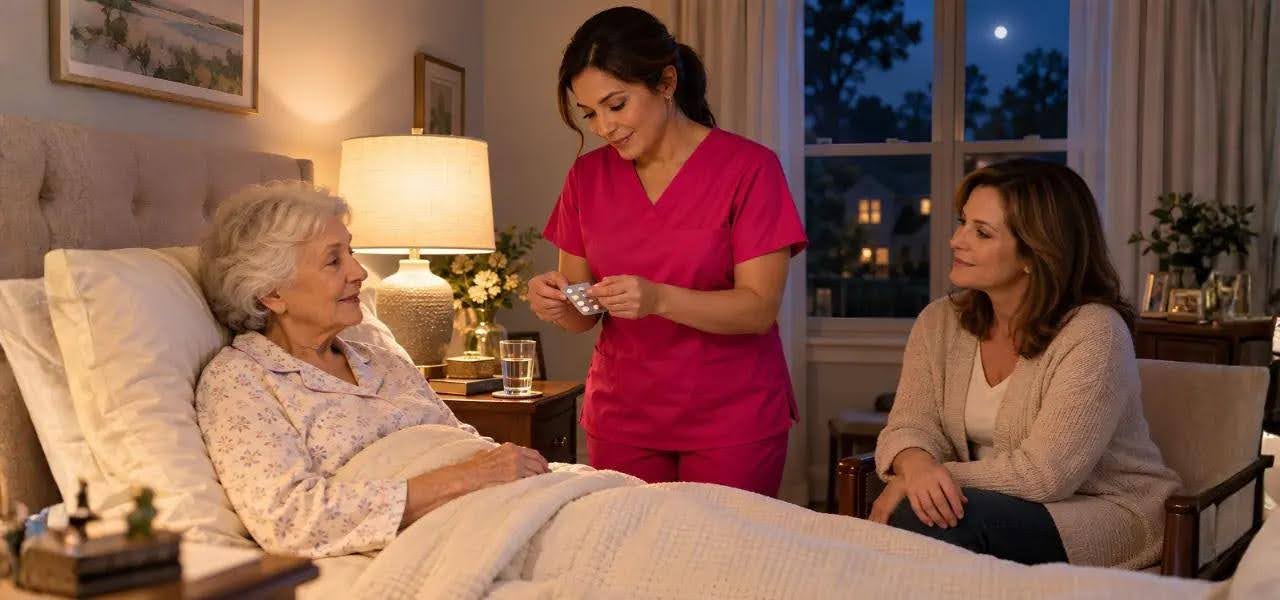
Maybe your mom still lives in the Burke townhouse where you grew up. She’s sharp, proud, and determined to stay put. But she fell in the kitchen last month, and the fridge looks emptier every time you visit. You don’t think she needs a nursing home. You just know she needs more help than you can give between work and your own kids. That’s the gap home care is meant to fill. Here’s what to know before you choose Home Care in Fairfax, VA.
Understand the Types of Home Care
“Home care” covers a range of services, and knowing the differences helps you ask for the right kind of help.
- Companion care includes conversation, activities, meal preparation, light housekeeping, and errands.
- Personal care adds hands-on help with bathing, dressing, toileting, and moving safely around the house.
- Respite care gives family caregivers a break, whether for an afternoon or a full week.
- Specialized care supports people living with dementia or Parkinson’s disease, or recovering from surgery.
All of these are non-medical. Home health care is different. It’s skilled nursing or therapy that a doctor orders, usually for a short time after an illness or hospital stay, and Medicare often covers it for people who qualify. Many families end up using both. A nurse might visit a few times a week for wound care, while a home care aide helps with meals and showers the rest of the time.
Watch for the Warning Signs
Most families don’t plan for home care. They react to a crisis. Noticing early warning signs gives you more time to choose well. Common signs include:
- Weight loss, spoiled food, or skipped meals
- Missed medications or doctor’s appointments
- Falls, near-falls, or new trouble with stairs or the shower
- Unopened mail, unpaid bills, or a house that has become cluttered
- Pulling away from friends, church, or hobbies
- A family caregiver who is worn out
Starting with a few hours a week is often easier on everyone than arranging full-time care after an emergency.
Plan for the Cost
Home care is usually billed by the hour. According to CareScout’s 2025 Cost of Care Survey, the median cost of a non-medical caregiver in Virginia is $80,080 a year, based on 44 hours of care per week. That works out to about $35 an hour. Your actual cost will depend on how many hours you need, the level of care, and whether you need nights or weekends. Ask each provider about minimum shift lengths, too.
Families usually pay through a mix of sources:
- Private funds, such as savings or retirement income
- Long-term care insurance, which often covers home care. Check the waiting period and whether the policy requires a licensed agency.
- Veterans’ benefits, including VA programs for in-home help and the Aid and Attendance pension
- Virginia Medicaid (Cardinal Care), which offers personal care through waiver programs for people who qualify
Medicare generally won’t pay for non-medical home care on its own, so don’t count on it for day-to-day help.
Check Licensing and Safety
In Virginia, agencies that provide personal care must be licensed as home care organizations by the Virginia Department of Health. Don’t hesitate to ask for proof. Licensed agencies are also required to run criminal background checks on their direct care staff.
Ask whether caregivers are employees of the agency or independent contractors, and confirm that the agency is bonded and insured. Hiring someone privately through an online listing may cost less, but it often makes you the employer. That means handling payroll taxes, screening, and finding a backup when the caregiver calls in sick.
Ask the Right Questions
Before signing anything, talk to at least two or three providers. Useful questions include:
- How do you match caregivers with clients, and can we meet the caregiver first?
- Who creates the care plan, and how often is it updated?
- What happens if our regular caregiver is sick or on vacation?
- What training do caregivers receive, especially for dementia care?
- How will you keep our family informed?
- Is there a contract, and how much notice is needed to change or cancel service?
Pay attention to how the agency answers, not just what it says. Clear, specific answers are a good sign.
Use Free Fairfax County Resources
Fairfax County offers more support than many families realize. The county’s Aging, Disability, and Caregiver Resource Line, 703-324-7948 (TTY 711), is a good first call on weekdays from 8 a.m. to 4:30 p.m. Staff can explain local options and connect you with services. The Department of Family Services also offers in-home care, respite, bathing assistance, and care management for residents who qualify, along with monthly webinars for caregivers. For Medicare questions, VICAP counselors at the Fairfax Area Agency on Aging provide free, unbiased help at (703) 324-5851.
How Nurse Next Door Northern Virginia Can Help
Nurse Next Door Northern Virginia is a local home care services in Virginia based in Tysons, serving families throughout Fairfax County, the City of Fairfax, Falls Church, and Alexandria. Caregivers help with companionship, personal care, meal preparation, light housekeeping, errands, and respite for family members.
Care is flexible. Some clients need a few hours of help a day, while others need support around the clock, either at home or in an assisted living community. Caregivers can also work alongside a Medicare home health team, covering the hours between nurse and therapy visits and continuing after those visits end.
If you’re weighing your options for Home Care in Fairfax, VA, the local team can talk through your loved one’s needs and put together a plan that fits.
The Bottom Line
Choosing home care is a big decision, but it doesn’t have to be overwhelming. Know what type of care your loved one needs, budget realistically, confirm the provider is licensed, and ask plenty of questions. Lean on the county’s free resources along the way. Most of all, start early, while your loved one can still help shape the plan. With the right support, Home Care in Fairfax, VA can help the person you love stay safe, connected, and at home.
Choosing home care is a big decision, but it doesn’t have to be overwhelming. Know what type of care your loved one needs, budget realistically, confirm the provider is licensed, and ask plenty of questions. Lean on the county’s free resources along the way. Most of all, start early, while your loved one can still help shape the plan. With the right support, Home Care in Fairfax, VA can help the person you love stay safe, connected, and at home.
