

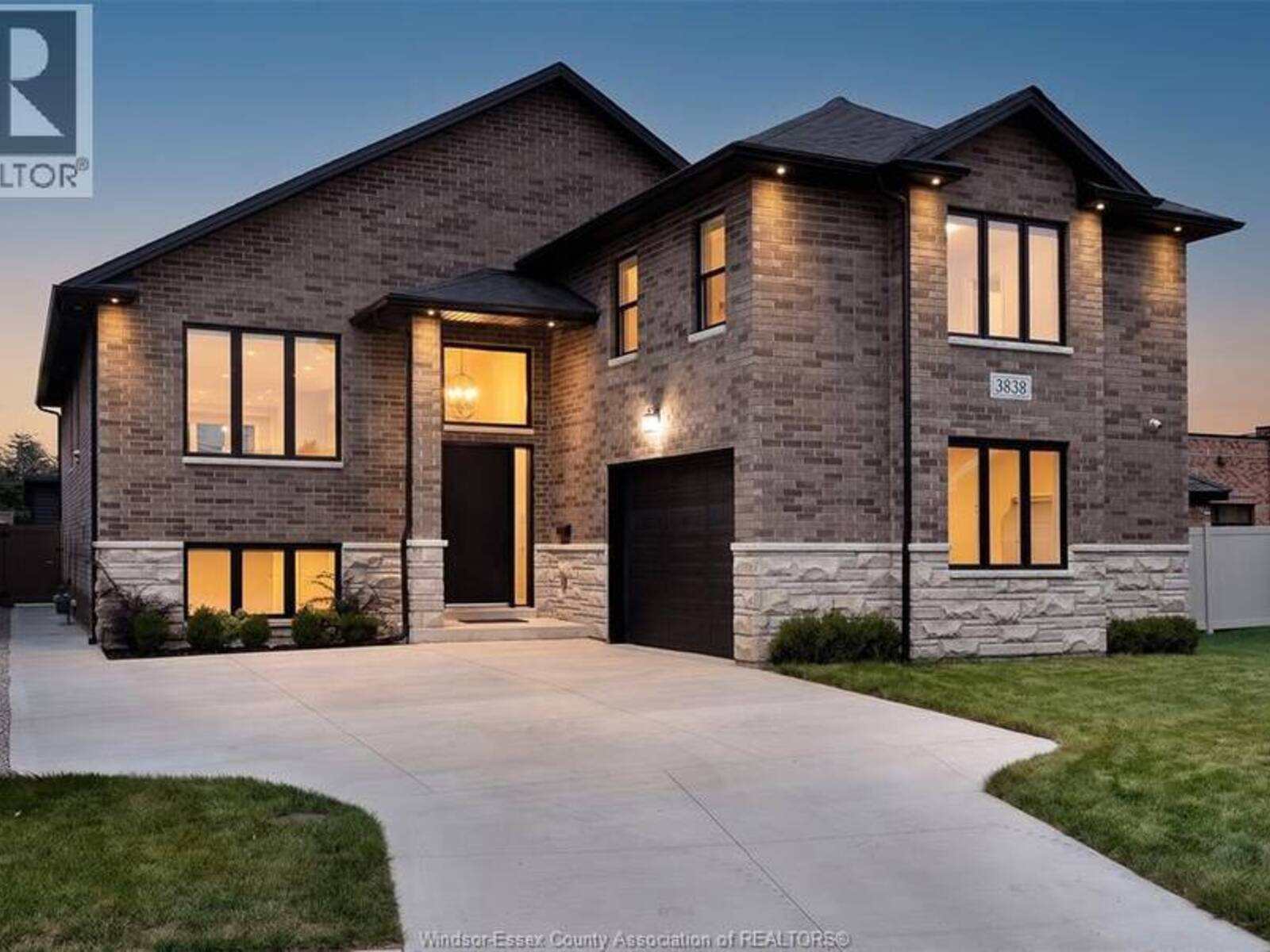
Buying a house is exciting right up until you start comparing properties that look almost identical online. One has a renovated kitchen but an older roof. Another has a bigger backyard but needs work inside. A third seems like a bargain until you realize how much you’ll spend getting it ready to move into.
If you’re planning to buy a home in Windsor, Ontario, learning to spot these differences can save you from an expensive mistake. The asking price matters, of course, but it rarely tells the whole story.
Start With the Neighborhood, Not the House
It’s tempting to fall in love with a property before you’ve spent much time thinking about its location. Beautiful hardwood floors and a spacious kitchen can make almost any house feel like the right choice.
But you can replace flooring. You can’t move the house to another street.
Windsor has neighborhoods with very different personalities. Walkerville is known for its historic character and established streets, while South Windsor attracts buyers looking for residential areas with access to schools and everyday amenities. Riverside offers proximity to the waterfront, and newer developments around the city’s edges may appeal to buyers who prefer more modern layouts.
Spend some time exploring the neighborhoods you’re considering. Drive through them during the morning commute and again in the evening.
Pay attention to traffic, parking, nearby businesses, and how well the area suits your daily routine. A house that looks perfect on Saturday afternoon might feel less convenient when you’re rushing to work on Monday.
Understand What Your Budget Actually Covers
Suppose you’ve been approved for a $500,000 mortgage. That doesn’t automatically mean you should focus on houses priced at the maximum amount you can afford.
Your monthly mortgage payment is only part of the expense.
Property taxes, home insurance, utilities, maintenance, and unexpected repairs all affect what you’ll spend after moving in. If you’re buying a condominium, monthly maintenance fees may also need to be included.
Older properties can come with expenses that aren’t obvious during a showing. Windows may need replacing, insulation might be inadequate, or the heating system could be approaching the end of its useful life.
Before arranging viewings, work out a monthly housing budget that leaves room for normal living expenses and savings.
There’s little enjoyment in owning a beautiful home if every unexpected bill becomes a financial emergency.
Compare Properties Before Booking Viewings
Online listings make it easier to explore the market without spending every weekend driving between houses.
However, browsing randomly can become overwhelming. After looking at dozens of properties, it’s surprisingly difficult to remember which home had the finished basement or which one needed a new bathroom.
A better approach is to narrow your search using a few practical requirements.
Think about the number of bedrooms you genuinely need, your preferred neighborhoods, parking requirements, and whether you’re comfortable purchasing a property that needs renovations.
You can explore homes for sale in Windsor using a map-based search to compare available properties by location and identify areas worth investigating further.
Keep a simple record of the homes that interest you. Note the asking price, approximate size, condition, and anything that could affect your decision.
Don’t worry about finding the perfect property immediately. Your first goal is to understand what your budget buys in different parts of the city.
Look Past Fresh Paint and Attractive Staging
A freshly painted living room can make a strong first impression. So can new furniture, attractive lighting, and carefully arranged decorations.
None of those things tells you much about the condition of the house.
During a viewing, pay attention to the less glamorous details.
Look for water stains on ceilings, cracks around windows, uneven floors, and signs of moisture in the basement. Check whether doors close properly and whether the windows appear to be in reasonable condition.
Ask about the age of the roof, furnace, air-conditioning system, and electrical panel.
These questions aren’t meant to suggest that every older house is a problem. Many established Windsor homes have been maintained exceptionally well.
The point is to distinguish cosmetic improvements from the repairs that could cost thousands of dollars.
A professional home inspection can provide a more informed assessment, although it won’t uncover every possible defect.
Don’t Ignore the Basement
Basements deserve particular attention when you’re viewing homes in Windsor.
A finished basement can offer valuable extra space for a home office, recreation room, or visiting family. But attractive flooring and freshly installed drywall shouldn’t distract you from checking for moisture problems.
Ask whether the property has experienced water intrusion or sewer backups. Find out if it has a sump pump, backwater valve, or other flood-prevention measures.
Consider the grading around the property and whether rainwater drains away from the foundation.
These details are especially relevant when comparing older homes or properties with previous basement renovations.
If you notice musty smells, staining, or suspicious patches of new materials, investigate before making a commitment.
Water damage can be expensive to repair, and understanding the property’s history helps you make a more informed decision.
Consider the Cost of Renovations Before Making an Offer
Some buyers prefer a move-in-ready property. Others are happy to purchase a house that needs improvements, particularly if the price leaves room for renovations.
Both approaches can work.
The problem begins when buyers underestimate the cost of making changes.
Replacing kitchen cabinets, renovating bathrooms, upgrading electrical systems, or finishing a basement can add up quickly. Even seemingly small projects can uncover problems that weren’t visible when work began.
Before making an offer on a property that needs significant improvements, try to obtain realistic estimates from qualified contractors.
You should also check whether your planned changes require permits or must comply with local building regulations.
A lower purchase price isn’t necessarily a bargain if the required work pushes your total spending beyond the cost of a comparable finished home.
Know When to Walk Away
One of the hardest parts of buying a house is accepting that a property you love might not be the right purchase.
You may have already imagined where the furniture will go or how you’ll use the backyard. That emotional connection can make it difficult to recognize warning signs.
Set your limits before negotiations begin.
Decide how much you’re comfortable spending, which repairs you’re willing to handle, and which conditions would make you reconsider.
If an inspection reveals serious issues, financing becomes uncertain, or the numbers no longer make sense, walking away may be the smartest decision.
There will be other properties.
Buying under pressure can leave you dealing with problems long after the excitement of getting the keys has faded.
Think About Your Life Five Years From Now
Your current needs matter, but it’s also worth considering how they might change.
Will you need another bedroom? Could working from home become a regular part of your routine? Would a smaller yard be easier to maintain, or would you regret not having more outdoor space?
You don’t need to predict your entire future.
Still, thinking a few years ahead can help you avoid buying a property that becomes inconvenient almost immediately.
Consider resale appeal as well. Features such as practical layouts, reasonable maintenance requirements, and access to everyday amenities may make a home attractive to future buyers.
A Better Home Purchase Starts With Better Questions
Finding the right house in Windsor takes more than spotting an appealing listing and arranging a viewing.
You need to understand the neighborhood, calculate the true cost of ownership, examine the property’s condition, and decide which compromises you’re comfortable making.
Take your time comparing options. Ask questions, investigate concerns, and resist the temptation to rush because a property looks attractive in photographs.
The goal isn’t simply to buy a house at a price you can afford today. It’s to find a home that remains comfortable, practical, and financially manageable after you’ve moved in.
