

Smartphones, laptops, and other electronic devices have become essential parts of everyday life. While consumers usually focus on features and retail prices, producing these products involves a complicated network of manufacturers, suppliers, and materials that can significantly influence their final cost.
Why Raw Materials Matter More Than We Think
Modern electronics depend on dozens of materials, many of which are sourced from different parts of the world. Copper is used in wiring, lithium is essential for many rechargeable batteries, and rare earth elements are found in various electronic components.
Gold also plays an important role in electronics manufacturing. Its excellent conductivity and resistance to corrosion make it particularly useful in connectors, circuit boards, and other components where reliable electrical connections are essential.
Although each device typically contains only a small amount of gold, manufacturers producing millions of units must consider the combined cost. Companies evaluating long-term production expenses may examine gold price predictions for next 5 years alongside forecasts for other materials.
However, the cost of raw materials depends on more than market prices. Mining operations, transportation difficulties, and processing capacity can all affect how easily manufacturers obtain the resources they need.
The Complicated Journey From Factory to Store
A smartphone rarely comes from a single factory. Its processor might be manufactured in Taiwan, its display produced in South Korea, and its battery assembled using materials sourced from several countries.
These components must reach assembly facilities before finished devices can be shipped to retailers.
Every stage adds expenses, including transportation, storage, customs procedures, and insurance.
Disruptions can make the process considerably more expensive. Shipping delays, port congestion, or restrictions on international trade may force manufacturers to find alternative suppliers or transportation routes.
Smaller electronics companies can face particular difficulties because they generally lack the purchasing power of major technology brands.
For consumers, these additional expenses may eventually appear in higher retail prices.
Why Making Smaller Devices Can Cost More
Consumers generally expect each new generation of electronics to be faster, lighter, and more powerful than the previous one.
Meeting these expectations requires increasingly sophisticated manufacturing techniques.
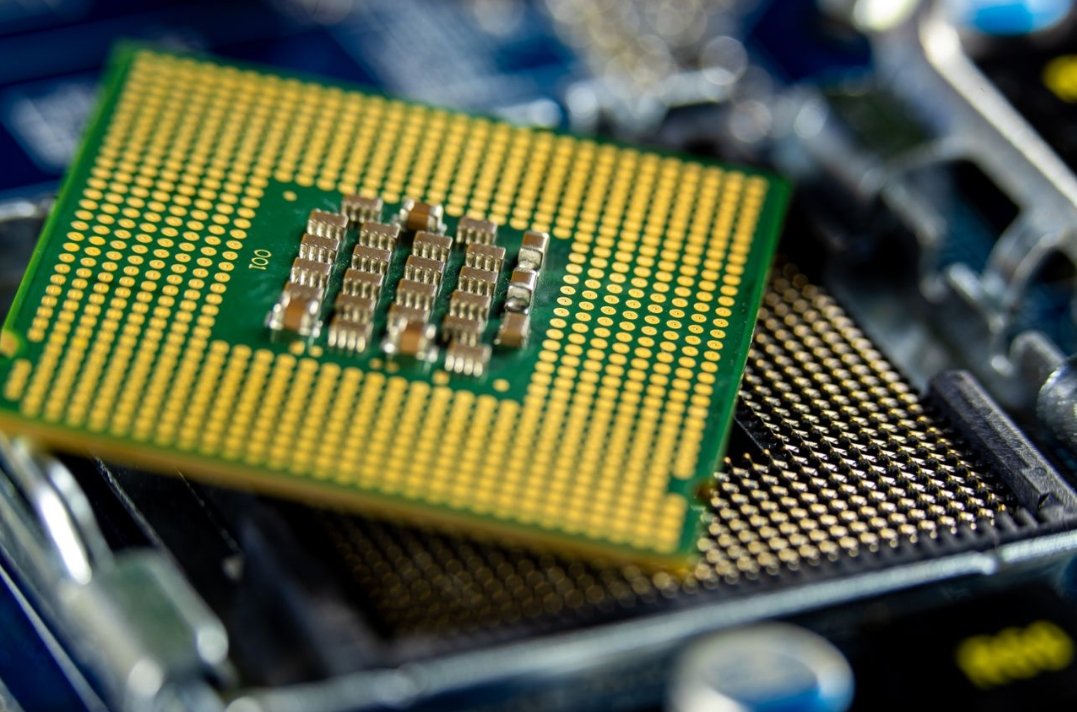
Modern processors contain billions of transistors packed into extremely small spaces. Producing them requires specialized equipment, carefully controlled environments, and substantial investment in research and development.
Even minor manufacturing defects can make expensive components unusable.
Designing thinner devices also creates challenges. Engineers must find ways to manage heat, maintain battery performance, and protect delicate components without increasing the product’s size.
These improvements may seem relatively minor to consumers, but achieving them can involve years of development.
Software Adds Another Layer of Expenses
The cost of an electronic device does not end when it leaves the factory.
Manufacturers must continue supporting their products through software updates, security improvements, and technical assistance.
A smartphone released today may receive operating system updates for several years. Maintaining that support requires developers, cybersecurity specialists, and testing teams.
Connected devices introduce additional expenses.
Smart home cameras, fitness trackers, and voice assistants may depend on cloud infrastructure to store information, synchronize accounts, or process user requests.
Running these services costs money, even when customers are not paying a separate subscription.
Companies must decide whether to absorb these expenses, include them in the original purchase price, or charge for additional services.
The Environmental Cost of Electronics
Electronic manufacturing also has consequences that are not always reflected in the price consumers pay.
Extracting raw materials requires energy and water, while manufacturing facilities consume electricity and generate industrial waste.
Transportation adds another environmental burden, particularly when components travel between several countries before reaching consumers.
Electronic waste presents a separate challenge.
When devices are discarded, valuable materials may be lost unless they are properly collected and recycled. Batteries and certain electronic components also require careful handling to prevent environmental contamination.
Some manufacturers are responding by incorporating recycled materials, improving repairability, and offering trade-in programs.
However, collecting and processing old electronics involves additional costs, and recovering materials is not always economically practical.
Why Repairing Gadgets Is Becoming More Difficult
Replacing a damaged battery or screen was once relatively straightforward for many electronic products.
Today, compact designs, specialized components, and extensive use of adhesives can make repairs more complicated.
Some devices require proprietary tools or replacement parts that independent repair shops cannot easily obtain.
As a result, consumers may discover that repairing an older device costs almost as much as purchasing a replacement.
This has encouraged growing interest in repairable electronics and legislation supporting consumers’ ability to fix products they already own.
For manufacturers, however, designing devices that are easier to repair can involve different engineering choices and production expenses.
Understanding What We Really Pay For
The retail price of a smartphone or laptop represents much more than its physical components.
Research, manufacturing, transportation, software development, environmental responsibilities, and after-sales support all contribute to the final cost.
As technology becomes more advanced, manufacturers must balance consumer expectations with increasingly complicated production requirements.
For consumers, understanding these hidden expenses can make it easier to evaluate whether a new device offers meaningful improvements or whether an existing product still meets their needs.
