

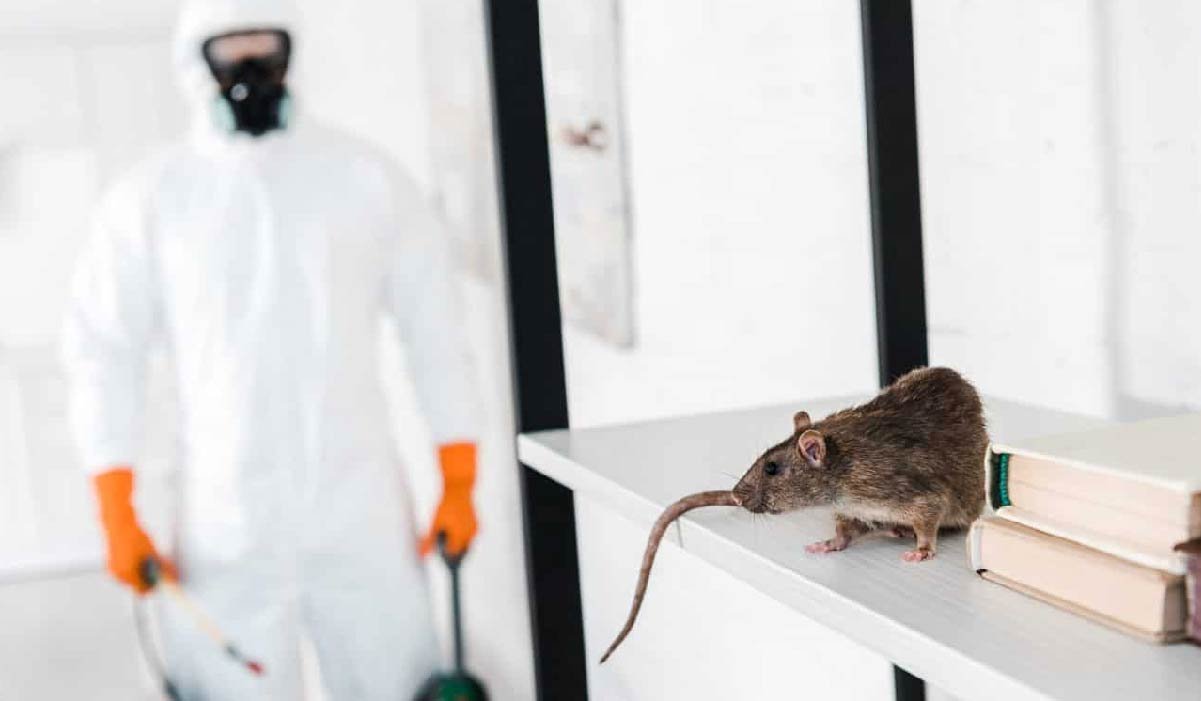
Rodents are among the most common pests found in residential, commercial, and industrial environments. Mice and rats can enter buildings through surprisingly small openings, search for food and water, and establish nests in areas that provide warmth and shelter. Although these animals may appear harmless at first, an uncontrolled rodent problem can quickly become a serious concern. They can damage electrical wiring, contaminate food supplies, destroy insulation, affect stored products, and spread diseases that pose risks to people and animals. For these reasons, taking preventive measures and addressing infestations promptly is essential for maintaining a clean, safe, and comfortable environment.
Effective rodent management requires more than simply removing the animals that are already visible. It involves understanding their behavior, identifying the conditions that attract them, locating potential entry points, and implementing practical measures to prevent future infestations. A successful approach combines sanitation, building maintenance, monitoring, trapping, and professional pest management when necessary. Whether the concern involves a private residence, office, restaurant, warehouse, or industrial facility, developing a consistent prevention strategy can significantly reduce the likelihood of recurring problems.
Understanding Common Rodent Problems
Rats and mice are the two main types of rodents responsible for problems in buildings and surrounding properties. Although both belong to the same general animal group, they differ in size, behavior, nesting preferences, and movement patterns. Understanding these differences can help property owners recognize warning signs and select appropriate management methods.
House mice are relatively small animals that can squeeze through narrow gaps and establish nests inside walls, cabinets, storage spaces, and other protected locations. They reproduce quickly, allowing a small population to grow considerably when food and shelter are readily available. Their ability to hide in difficult-to-reach areas often makes early detection challenging.
Rats are generally larger and may cause more noticeable physical damage. They can chew through various materials, contaminate stored food, and occupy areas such as basements, roof spaces, drainage systems, and outdoor storage areas. Depending on the species, they may prefer elevated spaces or ground-level environments. Their movement patterns and nesting habits can influence where an infestation is most likely to develop.
Both types of rodents are opportunistic animals. They search for accessible food, dependable water sources, and protected places where they can reproduce. Buildings that provide these conditions may become attractive habitats, particularly when maintenance and sanitation are neglected.
Why Rodent Prevention Is Important
Preventing rodent infestations is important because these pests can affect health, property conditions, and everyday activities. One of the biggest concerns is contamination. Rodents may leave droppings, urine, hair, and other biological material around food preparation areas, cupboards, storage rooms, and frequently used surfaces. These contaminants can introduce harmful microorganisms and create unpleasant hygiene conditions.
Certain rodents are associated with diseases that can spread through contaminated food, water, dust, or direct contact. The specific health risks depend on the rodent species and the microorganisms present in the environment. Some diseases can also spread through parasites associated with rodents. For this reason, rodent activity should never be ignored, especially in places where food is prepared, stored, or served.
Property damage is another major concern. Rodents continuously gnaw on materials because their front teeth grow throughout their lives. They may damage wooden structures, plastic containers, insulation, furniture, packaging, and electrical cables. Damaged electrical wiring is particularly concerning because it can create equipment failures and increase the risk of electrical fires.
Businesses may experience additional problems when rodents are discovered on their premises. Restaurants, food-processing facilities, warehouses, and retail establishments must maintain appropriate hygiene standards. Evidence of rodent activity can affect customer confidence, disrupt operations, and create difficulties during inspections.
Preventive action is therefore more effective than waiting until an infestation becomes widespread. Regular inspections, proper sanitation, and timely maintenance can help identify problems before they become difficult and expensive to manage.
Common Signs of a Rodent Infestation
Recognizing the early warning signs of rodent activity is essential for controlling an infestation effectively. Rodents are generally more active during quieter periods, and they often remain hidden during the day. However, they leave behind several indicators that can help property owners identify their presence.
Droppings are among the most recognizable signs. Mouse droppings are usually small and dark, while rat droppings are larger. They may appear near food storage areas, along walls, inside cabinets, or close to nesting locations. Fresh droppings can indicate recent activity, although their appearance alone cannot establish the exact size of an infestation.
Gnaw marks are another common indicator. Rodents may chew food packaging, cardboard boxes, wooden surfaces, plastic materials, and other objects. They can also damage cables and insulation. Repeated chewing in particular areas may suggest that rodents are using those locations as regular travel routes or feeding sites.
Unusual scratching, squeaking, or movement sounds may also indicate activity inside ceilings, walls, floors, and storage spaces. These noises are often easier to notice during nighttime hours when surrounding environments are quieter.
Other warning signs include greasy marks along frequently used pathways, shredded paper or fabric used for nesting, unpleasant odors, and damaged food containers. Property owners should investigate these signs rather than assuming they are isolated incidents.
What Attracts Rodents to Buildings?
Rodents enter buildings primarily because they are searching for food, water, warmth, and shelter. Properties that provide easy access to these resources are more likely to experience pest problems. Understanding the conditions that attract rodents is an important step toward long-term prevention.
Improper food storage is one of the most common causes of rodent activity. Open food packages, uncovered containers, spilled ingredients, and accessible pet food provide convenient feeding opportunities. Even small amounts of food left behind in kitchens or storage areas can attract mice and rats.
Poor waste management can also contribute to infestations. Overflowing garbage bins, uncovered waste containers, and food scraps left outdoors create attractive feeding locations. Waste should be stored in secure containers with properly fitting lids and removed according to a consistent schedule.
Clutter provides hiding and nesting opportunities. Cardboard boxes, unused furniture, piles of clothing, stored paper, and neglected outdoor materials can create sheltered environments where rodents remain undisturbed. Keeping storage areas organized makes inspections easier and reduces potential nesting locations.
Structural openings are another important factor. Small gaps around doors, windows, pipes, vents, foundations, and utility connections can provide access to indoor spaces. Since rodents can enter through surprisingly small openings, even minor building defects should be addressed promptly.
Effective Methods for Rodent Control
A successful rodent management strategy uses several complementary methods rather than relying on a single solution. The appropriate approach depends on the severity of the infestation, the type of building, the location of rodent activity, and any potential risks to people, pets, and wildlife.
Inspection and Identification
The first step is conducting a thorough inspection of the property. This involves checking kitchens, basements, storage rooms, attics, utility spaces, ceilings, and outdoor areas for signs of activity. Inspectors look for droppings, gnaw marks, damaged packaging, nesting materials, and possible entry points.
Identifying the rodent species is also helpful because mice and rats may require different monitoring and management approaches. Understanding where they travel and where they obtain food can help determine the most appropriate intervention.
Trapping Solutions
Trapping is a commonly used method for managing rodents inside buildings. Different trap designs are available, including traditional snap traps and enclosed mechanical traps. The selection should depend on the infestation, location, and safety considerations.
Traps should be placed in suitable locations where rodent activity has been confirmed. They must also be positioned and secured in ways that reduce the risk of accidental contact by children, pets, and non-target animals. Regular inspection is necessary to ensure that traps remain functional and are handled hygienically.
For larger infestations, professional pest management specialists can determine the most appropriate trapping strategy and monitor the results over time.
Exclusion and Sealing Entry Points
Preventing rodents from entering a building is one of the most important long-term management measures. This process involves identifying and sealing gaps, cracks, openings, and other access points around the structure.
Special attention should be given to areas surrounding pipes, cables, ventilation openings, doors, windows, and foundation joints. Appropriate rodent-resistant materials should be selected according to the size and location of each opening.
Door sweeps, suitable screens, durable sealants, and metal-based barriers can help improve building protection when installed correctly. Regular maintenance is necessary because weather conditions, construction changes, and general wear can create new openings over time.
Sanitation and Waste Management
Maintaining proper cleanliness reduces the food and water available to rodents. Food should be stored in durable, tightly sealed containers, and spills should be cleaned promptly. Kitchen surfaces, cupboards, floors, and food preparation areas should be inspected regularly.
Garbage should be placed in secure containers and removed frequently. Outdoor waste storage areas should also be kept clean because accumulated rubbish can attract pests toward buildings.
In commercial environments, sanitation procedures should be documented and followed consistently. Employees should understand their responsibilities regarding food storage, waste disposal, and reporting pest activity.
The Importance of Professional Pest Management
Although minor rodent problems may sometimes be addressed through basic preventive measures, larger or recurring infestations often require professional assistance. Experienced pest management specialists have the training and equipment necessary to identify infestation sources, evaluate property conditions, and recommend appropriate treatment methods.
A professional inspection generally includes assessing rodent activity, identifying entry points, reviewing sanitation conditions, and determining the extent of the problem. Based on these findings, specialists can develop a management plan that combines exclusion, trapping, monitoring, and other appropriate interventions.Professional services are particularly valuable in commercial buildings and food-related businesses, where hygiene requirements are strict and pest activity can have serious operational consequences. Specialists can also provide recommendations for improving storage practices, waste management, and building maintenance.
When chemical treatments are considered necessary, they should be selected and applied by qualified professionals in accordance with product instructions and applicable regulations. Rodenticides can pose serious risks to children, pets, wildlife, and other non-target animals if they are misused. Secure placement, appropriate monitoring, and safe handling are essential.
Choosing a reliable pest management provider involves reviewing experience, qualifications, service procedures, and the methods used to protect occupants and the surrounding environment. A professional company should explain its recommendations clearly and provide guidance on preventing future infestations.
Health and Safety Measures When Handling Rodent Contamination
Rodent droppings, urine, nesting materials, and contaminated surfaces should be handled carefully. Attempting to clean an infestation without following appropriate precautions can expose people to potentially harmful microorganisms.
The safest approach is to avoid sweeping or vacuuming dry droppings because these activities can release contaminated particles into the air. Instead, follow public health guidance for cleaning rodent contamination, including appropriate ventilation, protective equipment, and disinfectant use.People should avoid direct contact with rodent waste and use suitable disposable gloves when handling contaminated materials. Cleaning products must be used according to their labels, and different chemicals should never be mixed. Heavily contaminated areas or extensive infestations may require professional cleanup services.
Food and food-contact surfaces that may have been exposed to rodents should be assessed carefully. Contaminated food packaging should not be assumed safe simply because the contents appear unaffected. Damaged or exposed food products should be discarded according to applicable food safety recommendations.
Pets should also be protected from rodent waste, traps, and pest control products. If an animal may have contacted a rodenticide or contaminated material, veterinary advice should be obtained promptly.
Rodent Prevention in Residential Properties
Homes provide many opportunities for rodents to find food, water, and shelter. Kitchens, garages, basements, roof spaces, and storage rooms are particularly important areas to monitor.Homeowners should store food in secure containers and avoid leaving uncovered meals or pet food accessible overnight. Regular cleaning beneath appliances and furniture can help remove food particles that might otherwise attract pests.
Outdoor maintenance is equally important. Vegetation should be managed around buildings, rubbish should be stored securely, and unused materials should not be allowed to accumulate near exterior walls. Damaged screens, gaps beneath doors, and openings around utility connections should be repaired.Routine inspections can help identify early warning signs before rodent populations become established. If activity continues despite preventive measures, professional assessment may be necessary to identify hidden nests or inaccessible entry points.
Maintaining Rodent-Free Commercial and Industrial Facilities
Commercial and industrial environments often require more structured pest prevention programs because they contain valuable equipment, stored materials, food products, and areas with frequent human activity.Warehouses should maintain organized storage systems that allow staff to inspect floors, walls, and corners regularly. Products should be stored in suitable containers or on appropriate shelving rather than being left directly on floors where signs of pest activity may be difficult to detect.
Restaurants and food-processing facilities need especially strict sanitation procedures. Food preparation areas should be cleaned consistently, waste should be removed promptly, and ingredients should be protected from contamination. Staff should be trained to recognize signs of rodents and report concerns immediately.Factories and industrial facilities may also face risks involving electrical systems, machinery, packaging materials, and storage infrastructure. Regular maintenance inspections can help identify damaged cables, openings, and other conditions that could encourage rodent activity.
A documented pest management program helps businesses maintain consistency. Such a program may include inspection schedules, monitoring records, corrective actions, staff responsibilities, and periodic professional assessments.
Environmental Considerations in Rodent Management
Responsible rodent management should consider the potential effects of treatment methods on the surrounding environment. Rodenticides, traps, and other interventions can affect animals that are not the intended target if they are selected or used incorrectly.
For example, predators and scavengers may be exposed to rodenticides by consuming poisoned rodents. This secondary exposure can create risks for birds of prey, domestic animals, and wildlife. Therefore, unnecessary chemical use should be avoided, and safer alternatives should be considered whenever appropriate.
Integrated pest management provides a practical framework for reducing these risks. It emphasizes inspection, sanitation, exclusion, monitoring, and targeted interventions based on actual pest activity. Instead of automatically applying chemicals, this approach focuses on understanding why rodents are present and correcting the conditions that support them.Preventive measures are particularly valuable because they reduce dependence on repeated treatments. By limiting access to food, water, and shelter, property owners can make their buildings less attractive to rodents while supporting a healthier environment.
Long-Term Monitoring and Maintenance
Managing an existing infestation is only part of the overall process. Long-term success depends on continued monitoring and maintenance. Even after visible rodent activity decreases, new animals may enter if access points remain open or attractive conditions are not corrected.
Regular inspections should focus on areas where rodents were previously discovered, along with locations that provide potential access to food and shelter. Monitoring devices and traps should be checked according to an established schedule, and any new signs of activity should be investigated.Building maintenance should also remain consistent. Damaged door seals, broken vents, foundation cracks, and gaps around service connections should be repaired as soon as practical. Waste storage areas and outdoor surroundings should be reviewed periodically to prevent conditions from attracting pests.
In commercial facilities, management teams should maintain inspection records and review pest management procedures regularly. Employees should be encouraged to report unusual sounds, droppings, damaged packaging, and other warning signs. Early reporting makes it easier to respond before a minor concern develops into a larger infestation.
Conclusion
Rodent infestations can create serious challenges for residential, commercial, and industrial properties. From food contamination and unpleasant odors to damaged electrical wiring and potential health risks, these pests can affect both the condition of a building and the well-being of its occupants. Addressing the problem requires a consistent approach that focuses on prevention, early detection, safe removal, and long-term maintenance.
Effective rodent control involves more than setting traps or applying pest control products. It requires understanding rodent behavior, identifying entry points, improving sanitation, securing food supplies, and maintaining the building properly. Professional assistance can provide additional support when infestations are extensive, recurring, or difficult to locate.
By combining preventive maintenance with responsible pest management practices, property owners can reduce rodent activity and create cleaner, safer environments. Consistent inspections, appropriate treatment methods, and attention to hygiene help protect buildings, preserve valuable property, and support long-term peace of mind.
