

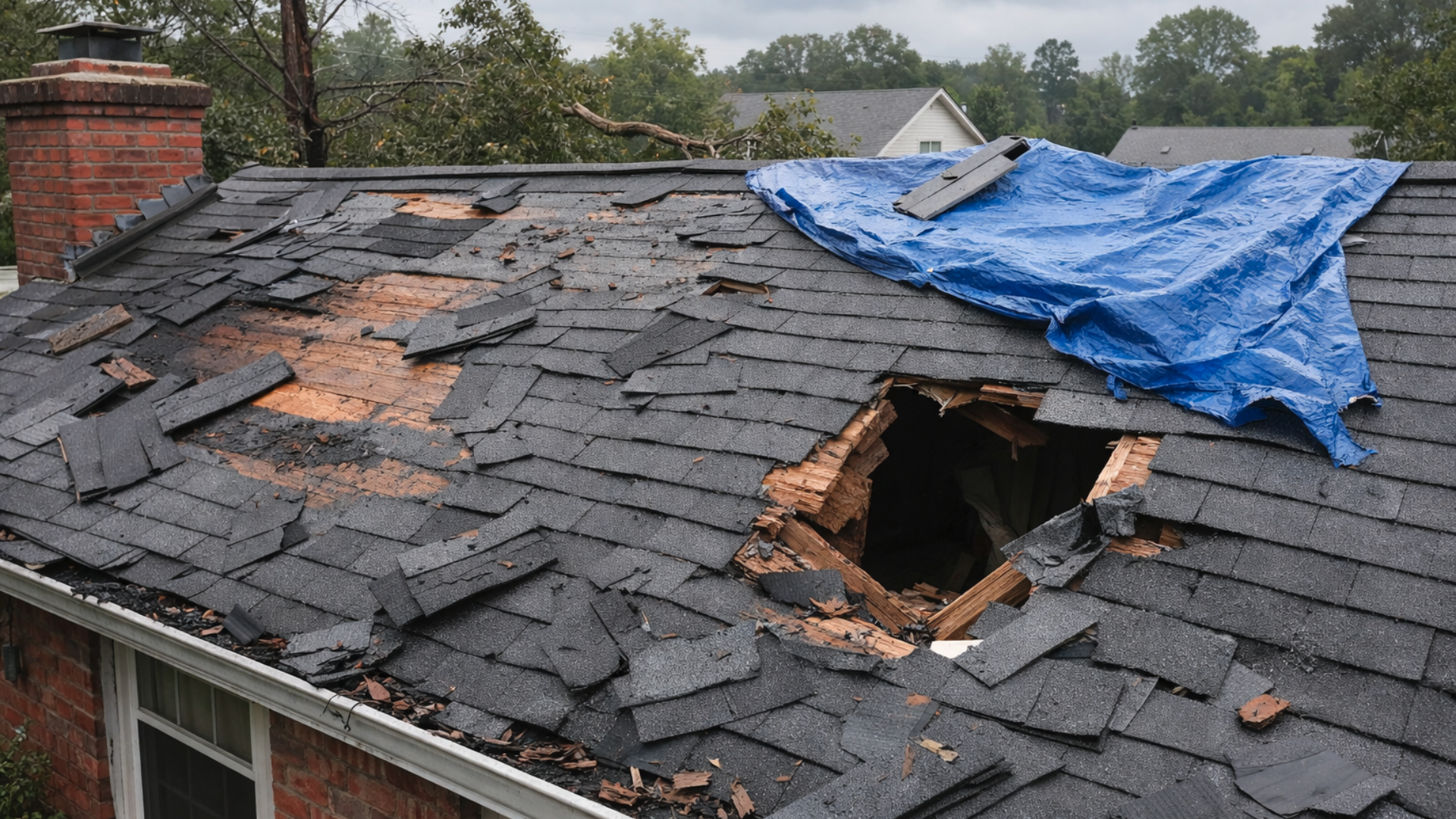
Summer heat, sudden downpours, and the remnants of tropical systems push many North Carolina roofs to their limits. After a few frantic patch jobs, homeowners often face the tougher call: keep repairing or plan a full replacement. The right answer depends on what is failing, where, and how much of the system is affected. This article explains how to read visible wear on shingles and flashing, what an attic can reveal about moisture and heat, and why underlayment and decking conditions matter as much as what you see from the driveway. By the end, you will be better prepared to decide when replacement is the safer and more financially predictable choice.
-
Visible Red Flags That Point Beyond Spot Repairs
When wind lifts tabs across multiple slopes, granules collect in downspouts, and shingles stay cupped even after a warm, sunny week, the wear is usually widespread, not isolated. Look for patterns: repeated shingle loss at the rakes, cracked or spiderwebbed surfaces on south-facing planes, and brittle tabs that break when gently lifted. If you are researching roof replacement services in Mount Holly, NC, you will find that completely removing the old roofing lets crews correct hidden problems such as soft decking and deteriorated flashing that individual repairs cannot address.
Consider a common scenario after a storm line passes: a homeowner patches three missing areas with spare shingles, yet the next storm peels different tabs from two other slopes. Those repeated failures can signal that the factory sealant strips have aged and the nails may be set slightly high or pulled through thinning shingles. In that case, replacing a handful of tabs treats the symptom, not the cause, and the roof may keep losing pieces during gusty weather.
-
What the Attic Reveals: Heat, Moisture, and Daylight
A quick attic check can confirm failures you cannot see from the yard. Dark stains on the underside of the sheathing, rusty nail tips with moisture beads, or daylight where it shouldn’t be can suggest water entry or ventilation problems. In summer, trapped heat from weak soffit intake or a blocked ridge vent can accelerate asphalt shingle aging. Wet insulation near valleys or around a plumbing stack may point to deteriorated valley flashing, cracked pipe boots, or underlayment that no longer sheds rain driven by strong winds.
Another common issue is a stubborn chimney leak. After two attempts to seal it with caulk, the drywall still stains following heavy rain. From the attic, you may find rot streaks beside the chimney where step flashing has deteriorated beneath the shingles, or a missing cricket that allows water to collect. Proper correction may require removing shingles, installing new step flashing and counterflashing, and replacing softened sheathing next to the masonry. If similar failures appear elsewhere, planning for replacement may be more reliable than repeatedly opening and repairing individual trouble spots.
-
Underlayment, Flashing, and Deck Condition Drive Replacement Decisions
The waterproofing layer beneath shingles does more than many homeowners realize. Traditional asphalt felt can wrinkle and deteriorate over time, while modern synthetic underlayment offers different durability and installation characteristics. Areas with greater exposure, such as valleys, eaves, and roof penetrations, may benefit from a self-adhering water barrier designed for those locations. Drip edge along eaves and rakes helps direct water away from fascia and roof edges.
These components are difficult to assess without removing or lifting roofing materials. During complete roof removal, crews can inspect the deck, replace damaged pipe boots, renew valley flashing, address skylight details, and secure loose plywood or OSB where necessary.
These details are not merely cosmetic. Wind-driven rain can move beneath shingle edges, where properly installed underlayment and flashing help prevent water from reaching the deck. If decking has absorbed moisture and begun to delaminate, fasteners may lose holding strength, making shingles more vulnerable to uplift. By contrast, sound decking, secure fastening, and properly installed underlayment create a more continuous roofing assembly. Replacement lets you correct these underlying components in ways surface patches cannot.
-
Complete Removal Versus Overlay: Cost Today Versus Risk Tomorrow
Installing another layer over worn shingles can reduce initial labor and shorten installation time when codes and manufacturers permit it, but it comes with important trade-offs. Additional roofing adds weight, hides the deck’s condition, and may let existing unevenness show through the new surface. It can also make future inspection and repair more difficult.
Local codes, manufacturer requirements, structural conditions, and the number of existing roof layers all influence whether an overlay is appropriate. Complete removal exposes the deck so you can identify and replace damaged sections. It also allows you to integrate new underlayment, edge protection, starter materials, and flashing into a complete roofing system.
Material choice also affects storm performance. Traditional three-tab shingles differ from architectural laminated shingles in thickness, construction, fastening requirements, and available wind ratings. The right product and fastening pattern should follow the roofing manufacturer’s specifications and local building requirements, not a universal rule.
In a neighborhood that has experienced repeated wind damage or hail, replacing an aging roof with a properly installed modern system may address more underlying weaknesses than patching isolated areas.
Timing and Aftercare Once You Choose Replacement
Schedule roofing work during a suitable weather window whenever possible. Asphalt shingles need installation conditions that meet manufacturer requirements so sealing and fastening can perform as intended. Cooler weather may require different handling or sealing procedures, depending on the product instructions.
Plan staging details as well. Protect sensitive landscaping, confirm dumpster placement, and ask how they will collect stray nails and debris. Inside the attic, move or cover stored belongings beneath valleys and other areas where dust or debris may fall during removal.
If a bathroom exhaust fan currently vents into the attic, discuss correcting that condition during the roofing project so moisture is directed outdoors through an approved termination.
After installation, some loose granules may appear in gutters during the first rains. Keep valleys and gutters clear so water can drain freely, and trim branches that rub against roofing surfaces.
Periodically inspect accessible roof penetrations, flashing areas, gutters, and attic spaces for signs of moisture. Avoid walking on the roof unless necessary, especially if the slope, height, or surface condition makes access unsafe.
After the first substantial storm, an attic inspection from a safe location can provide reassurance that no obvious moisture is entering. Save installation photos, product information, warranty paperwork, and the completion date to make future maintenance and repairs easier to document.
Recognizing roof failure is about looking at the entire roofing system rather than counting individual missing shingles. Widespread surface wear, repeated storm damage, deteriorated flashing, moisture-damaged decking, and recurring attic leaks can all indicate that isolated repairs no longer address the underlying problem.
When those signs appear across multiple areas, a full replacement lets you evaluate the roof deck, underlayment, flashing, edge details, and shingles as a complete system. That broader approach can provide a more dependable path forward than repeatedly repairing new symptoms as they appear.
