

Introduction
Trees are an important part of residential and commercial landscapes because they provide shade, improve outdoor appearances, support the environment, and create more comfortable surroundings. However, trees can sometimes become damaged, diseased, unstable, or unsuitable for their surrounding environment. Overgrown branches, weakened trunks, invasive roots, and trees growing too close to buildings can create safety concerns and cause damage to nearby structures. In these situations, removing a tree may become a necessary step to protect people, property, and the surrounding landscape. Proper planning and professional handling are essential to ensure that the process is completed safely and efficiently.
Tree removal is a specialized service that involves assessing the condition of a tree, evaluating potential risks, selecting suitable equipment, and carrying out the necessary work using appropriate techniques. The process can vary significantly depending on the tree’s height, age, condition, location, and proximity to buildings, roads, fences, and utility lines. Some trees can be removed through relatively straightforward methods, while others require careful sectional dismantling and specialized equipment. Professional assistance helps ensure that each situation receives the appropriate attention and that surrounding structures and landscaping are protected throughout the project.
Whether a homeowner needs to remove a damaged tree from a backyard or a commercial property requires the removal of multiple unwanted trees, understanding the process can help make informed decisions. From identifying warning signs to selecting a qualified contractor and planning post-removal landscaping, every stage contributes to a successful outcome.
Understanding the Importance of Professional Tree Removal
Removing a tree is not simply a matter of cutting down its trunk. Trees can weigh several tons, and their branches may extend over buildings, vehicles, fences, and other valuable structures. Their roots can also influence nearby foundations, underground drainage systems, pathways, and landscaping features. Without proper assessment and planning, removal work can create significant risks.
Professional tree removal specialists understand how different trees behave and how their size, structure, and condition influence the removal process. They can assess the surrounding environment, identify potential hazards, and determine the most suitable approach for completing the work. Their experience is particularly important when dealing with large trees, damaged trunks, unstable branches, or properties with limited working space.
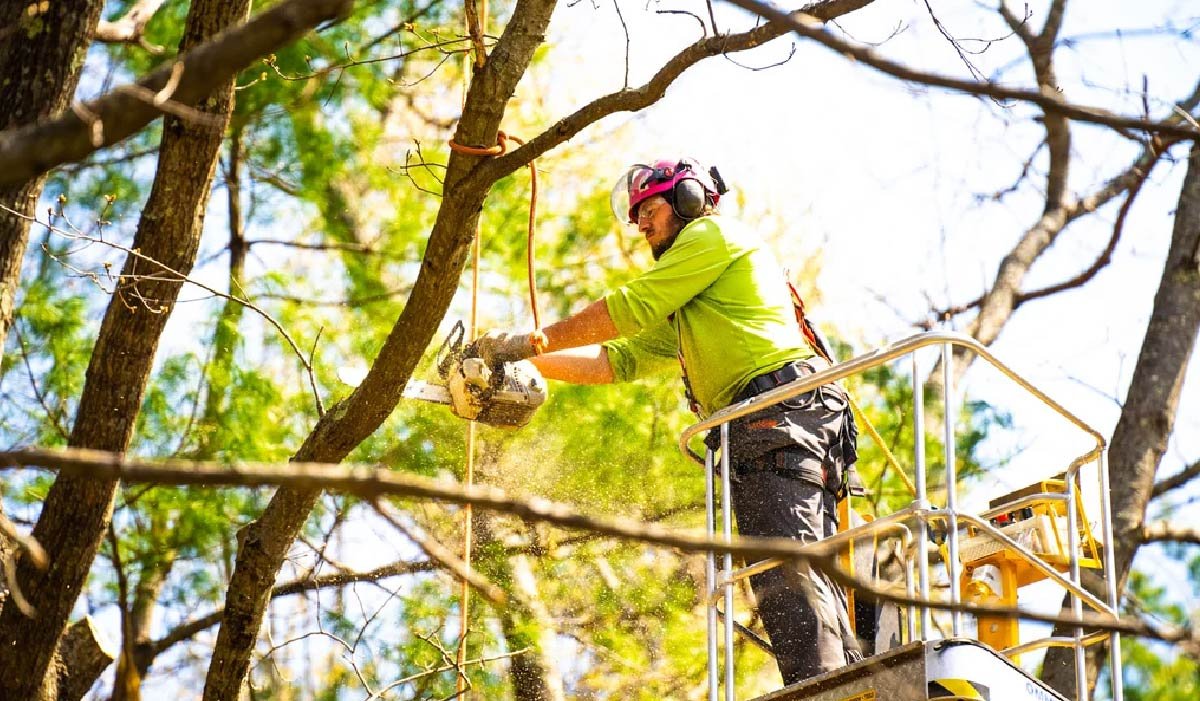
Another important benefit of professional assistance is the availability of appropriate equipment. Tree removal projects may require specialized machinery, lifting equipment, protective gear, and professional cutting tools. Experienced contractors understand how to select and use suitable equipment while following established safety procedures.
Hiring qualified professionals can also help property owners avoid unnecessary damage to lawns, garden beds, driveways, fences, and nearby structures. A carefully planned project considers the entire work area rather than focusing exclusively on the tree itself.
Common Reasons for Removing a Tree
There are several reasons why property owners may decide that a tree needs to be removed. One of the most common is declining health. Trees affected by severe disease, extensive decay, or significant structural damage may become unstable and present a potential hazard. When treatment or maintenance is unlikely to restore the tree’s condition, removal may be recommended.
Storm damage is another important reason. Strong winds, heavy rain, lightning, and other severe weather conditions can weaken branches, split trunks, or damage root systems. Even trees that remain standing after a storm may have hidden structural problems that require professional evaluation.
Trees may also become problematic when they grow too close to buildings, driveways, boundary walls, or utility infrastructure. Expanding roots can interfere with certain underground structures, while large branches may come into contact with roofs, windows, and overhead lines. In these situations, an assessment can determine whether pruning, root management, or complete removal is the most appropriate solution.
Other property owners choose removal because of landscaping changes, construction projects, limited outdoor space, or the desire to create a more functional garden. Removing an unsuitable tree can provide additional room for outdoor living areas, new planting arrangements, pathways, and other property improvements.
Recognizing the Warning Signs of a Dangerous Tree
Identifying potentially hazardous trees early can help property owners address problems before they become more serious. Although not every damaged tree requires removal, certain warning signs indicate that a professional inspection may be necessary.
Large dead branches are one of the most noticeable concerns. These branches may become brittle and fall unexpectedly, particularly during strong winds or heavy rainfall. Deadwood in the upper canopy can be difficult to identify from ground level, making professional assessment valuable.
Visible cracks or splits in the trunk may indicate structural weakness. Deep cavities, extensive decay, fungal growth, and damaged bark can also suggest that the tree’s internal structure has deteriorated. However, the presence of a single visible defect does not automatically mean that removal is necessary. A qualified arborist should evaluate the severity and overall condition.
Changes in the tree’s position can also be concerning. A newly leaning tree, exposed roots, or disturbed soil around the base may indicate movement or instability. These conditions deserve prompt attention, especially when the tree is located near buildings, walkways, or areas frequently used by people.
Property owners should also watch for sudden canopy thinning, unusual branch loss, and signs of disease. Early professional evaluation may identify maintenance options that can preserve a healthy tree when removal is not required.
The Tree Removal Assessment Process
A successful removal project begins with a detailed assessment of the tree and its surrounding environment. Before work begins, professionals need to understand the tree’s dimensions, structural condition, location, and potential impact on nearby property.
The initial inspection generally considers the trunk diameter, canopy spread, branch condition, root structure, and surrounding obstacles. The contractor may also examine the condition of nearby buildings, fences, roads, landscaping features, and other trees. These details help determine the complexity of the project and the equipment required.
Access is another important consideration. Some trees are located in open spaces where professional equipment can operate more easily, while others may be surrounded by buildings, garden walls, or narrow access routes. Restricted access can increase the time and planning required to complete the work.
Professionals may also need to consider overhead electrical lines and underground utilities. Trees growing near power infrastructure require particular caution and may involve coordination with the appropriate utility provider. Property owners should never attempt to handle trees entangled with electrical lines themselves.
The assessment should conclude with a clear explanation of the recommended work, expected schedule, safety considerations, and associated costs. This allows customers to understand the project before approving the service.
Different Types of Tree Removal Services
Tree removal requirements vary depending on the tree’s condition, location, and intended outcome. Professional contractors generally offer different approaches to accommodate residential, commercial, and landscaping needs.
Complete Tree Removal: This service involves removing an entire tree from the property. It may be recommended when a tree is severely damaged, structurally unstable, diseased beyond recovery, or unsuitable for its surroundings. The work may also include removing smaller branches, processing the trunk, and clearing the remaining debris.
Emergency Tree Removal: Emergency services address urgent situations involving fallen trees, storm damage, broken trunks, or unstable branches. These situations may require immediate professional attention to reduce the risk of additional damage. Contractors assess the conditions and determine the appropriate response based on the severity of the hazard.
Dead Tree Removal: Dead trees can gradually become weaker and more susceptible to branch failure or trunk collapse. Removing them may help protect nearby structures and reduce potential hazards, particularly when they are located in frequently used outdoor areas.
Overgrown Tree Removal: Some trees become unsuitable for their surroundings as they mature. When excessive growth creates persistent problems that cannot be addressed through appropriate pruning, complete removal may be considered.
Commercial Tree Removal: Commercial properties may require tree removal to support construction, landscaping improvements, parking arrangements, or general property maintenance. These projects often involve additional planning because of pedestrian access, business operations, and the presence of multiple structures.
Residential Tree Removal and Property Protection
Residential properties often contain trees in relatively confined spaces, making careful planning especially important. A mature tree may grow near a house, garage, driveway, boundary wall, swimming pool, or outdoor entertainment area. Removing it requires consideration of these surrounding features to reduce the risk of accidental damage.
Homeowners should begin by identifying why the tree needs attention. If the concern involves a few overgrown branches, professional pruning may be sufficient. However, extensive decay, severe structural damage, or significant root problems may make removal a more appropriate option.Professional contractors assess the available working space and identify potential obstacles before starting. They may also discuss temporary access restrictions and recommend moving vehicles, outdoor furniture, garden decorations, and other movable objects away from the work area.
Protecting existing landscaping is another important consideration. Garden beds, irrigation systems, decorative stones, lawns, and pathways may be affected by equipment movement or falling debris. Discussing these features with the contractor before work begins can help establish suitable protective arrangements.
After removal, homeowners may want to restore the affected area through soil preparation, grass replacement, new planting, or alternative landscaping features. Planning these improvements in advance can help the property maintain an attractive appearance.
Commercial Tree Removal for Business Properties
Commercial properties often have larger outdoor areas and more complicated landscaping requirements than residential homes. Shopping centers, office buildings, educational facilities, industrial sites, and hospitality properties may contain multiple trees that require ongoing management.
A damaged tree near a parking area can create risks for vehicles and pedestrians. Similarly, branches extending over entrances, walkways, outdoor seating areas, and building structures may interfere with normal operations. Addressing these concerns helps maintain a safer and more organized environment.
Commercial removal projects may require coordination with property managers, maintenance teams, security personnel, and other contractors. Work schedules should be arranged to reduce disruption to employees, customers, visitors, and business operations.
Another important consideration is access management. Contractors may need to establish temporary exclusion zones, coordinate equipment movement, and restrict access to certain areas while work is underway. Clear communication helps ensure that everyone understands the temporary safety arrangements.
For properties with multiple trees, a structured assessment can help prioritize the most urgent concerns and plan maintenance activities over time. This approach supports better budgeting and helps property managers maintain attractive outdoor spaces.
Understanding the Role of Tree Stump Removal
Removing the visible portion of a tree does not always eliminate everything that remains underground. The stump and root system may continue to occupy space, interfere with landscaping, and create practical problems for property owners.
Tree stumps can become obstacles in lawns, gardens, walkways, and areas intended for future construction. They may also attract unwanted insects or begin to decay, depending on their condition and the surrounding environment. In some situations, leaving a stump in place may be acceptable, while other properties benefit from complete stump removal.
Stump grinding is a common professional service that reduces the remaining stump to wood chips below the surrounding ground level. This creates more usable surface space and makes it easier to restore the area. However, grinding does not necessarily remove the entire root system.Complete stump removal may involve more extensive excavation and can disturb a larger area of soil. The appropriate method depends on the intended use of the land, the stump’s dimensions, root distribution, and surrounding structures.
Property owners should discuss stump removal options before approving the project. This helps clarify whether the quotation includes only the tree or also covers the remaining stump and associated cleanup.
The Importance of Safe Tree Removal Practices
Tree removal can involve significant hazards, including falling branches, unstable trunks, heavy equipment, and unexpected changes in tree structure. Safety must therefore remain a priority throughout the entire project.
Professional contractors conduct risk assessments before beginning work. They identify potential hazards, evaluate surrounding conditions, and establish suitable safety arrangements. Protective equipment, appropriate machinery, and controlled work areas are important parts of responsible tree management.
The surrounding area should be kept clear of unnecessary personnel during removal activities. Children, pets, residents, employees, and visitors should remain away from designated work zones. Contractors may use barriers or warning signs to prevent accidental access.
Trees located near electrical infrastructure require additional precautions. Only appropriately qualified professionals and authorized utility personnel should manage work involving potentially energized lines. Property owners should never attempt to cut, move, or pull branches that are touching power lines.Weather conditions also influence safety. Strong winds, lightning, heavy rainfall, and unstable ground may make removal work more difficult. Responsible contractors evaluate conditions and adjust schedules when necessary.
Why Professional Equipment and Experience Matter
Different trees require different equipment and handling arrangements. A small ornamental tree may need relatively limited resources, while a large mature tree can require specialized machinery and a more detailed project plan.
Professional equipment may include chainsaws, wood chippers, stump grinders, lifting equipment, protective barriers, and suitable transportation vehicles. The selection depends on the project’s size, location, and surrounding conditions.
Experience is equally important because tree structures can behave unpredictably when damaged, decayed, or affected by weather. Professional tree specialists understand how to evaluate structural conditions and select suitable removal methods based on the specific circumstances.Working with an experienced contractor can also improve project efficiency. Proper equipment selection and organized planning help reduce unnecessary delays, protect surrounding property, and support effective debris management.
Homeowners should avoid attempting complicated tree removal using ordinary household tools or inadequate equipment. Even relatively small trees can create serious risks when their branches or trunks are unstable.
Managing Tree Debris and Wood Waste
Tree removal often generates a considerable amount of organic material, including branches, leaves, bark, trunk sections, and wood chips. Proper debris management is an important part of completing the project and restoring the property to a usable condition.Some contractors include basic cleanup as part of their removal package, while others offer debris disposal as an additional service. Property owners should confirm these details before work begins to avoid misunderstandings.
Branches may be processed into smaller pieces using professional wood-chipping equipment. Depending on their condition and local regulations, wood chips can sometimes be reused as garden mulch or for other landscaping purposes.Larger trunk sections may be transported for appropriate disposal, recycling, or other permitted uses. Healthy wood may sometimes be suitable for firewood or woodworking, although its suitability depends on the tree species, moisture content, and condition.
Leaves and smaller organic debris can be collected and managed through appropriate green waste services. A clean work area helps prevent obstructions and makes it easier to begin landscaping improvements after removal.
Environmental Considerations Before Removing a Tree
Although tree removal is sometimes necessary, it should be approached responsibly because trees contribute to the surrounding environment in several ways. They provide habitat for wildlife, improve shade, support soil stability, and contribute to the visual quality of outdoor spaces.
Before removing a healthy tree, property owners should consider whether alternatives such as pruning, crown management, or professional treatment could address the original concern. Preserving suitable trees can help maintain the ecological and aesthetic value of a landscape.Environmental considerations are particularly important when trees provide nesting or shelter opportunities for wildlife. Depending on local regulations and seasonal conditions, certain restrictions may apply to removing trees that support protected species or habitats.
Permits or approvals may also be required for certain trees, protected species, heritage trees, or properties subject to specific landscaping regulations. Requirements vary according to local laws, property type, and tree classification. Checking these obligations before arranging removal helps avoid potential legal complications.When removal is necessary, replacement planting can help maintain the property’s green character. Selecting suitable species according to soil conditions, available space, sunlight, and future growth requirements can provide long-term landscaping benefits.
Common Tree Removal Mistakes Property Owners Should Avoid
One of the most common mistakes is assuming that every damaged-looking tree must be removed immediately. Some trees can recover through appropriate treatment or maintenance, while others may have serious structural problems that are not obvious from the ground. A professional assessment helps determine the most suitable option.Another mistake is hiring a contractor based exclusively on the lowest price. Tree removal involves specialized equipment, trained workers, insurance considerations, and careful planning. An unusually low quotation may not include essential services such as debris removal, stump grinding, or appropriate safety arrangements.
Ignoring the surrounding environment can also create problems. Buildings, underground utilities, fences, garden structures, and nearby vegetation should all be considered before removal begins. Failing to evaluate these features may result in unexpected property damage.Some property owners also overlook the importance of stump management. Removing the trunk without discussing the remaining stump can leave an unwanted obstacle that interferes with future landscaping plans.
Finally, attempting to remove large or unstable trees without professional support can expose people and property to serious risks. Complex projects should always be handled by appropriately trained specialists with suitable equipment.
How to Choose a Reliable Tree Removal Contractor
Choosing the right contractor is essential for achieving a safe and satisfactory result. Property owners should look for professionals with relevant experience, appropriate qualifications, suitable equipment, and a clear understanding of tree care and removal practices.Customer reviews and recommendations can provide useful information about a company’s reliability, communication, and workmanship. Reviewing previous projects may also help establish whether the contractor has experience with similar tree sizes and property conditions.
Insurance coverage deserves particular attention. Tree removal can involve heavy equipment and significant property risks, so customers should confirm that the contractor has appropriate coverage for the work being performed. Licensing or certification requirements should also be checked according to applicable regulations.
A professional contractor should provide a clear written quotation describing the agreed scope of work. This should identify whether the service includes tree removal, stump grinding, debris collection, transportation, and final cleanup. Any additional charges or limitations should be explained before the project begins.Communication is another important consideration. Reliable contractors should answer questions, explain the recommended approach, discuss safety precautions, and provide realistic scheduling information. A detailed assessment and transparent quotation help property owners make confident decisions.
Understanding Tree Removal Costs and Project Planning
The cost of tree removal depends on several factors, including tree height, trunk diameter, structural condition, location, accessibility, and the complexity of the work. A small tree in an open garden may require considerably less effort than a large damaged tree positioned close to a building.
Additional services can influence the overall project budget. Stump grinding, debris transportation, wood disposal, emergency scheduling, and specialized equipment may involve separate charges. Customers should understand which services are included in the initial quotation.
Accessibility is another important pricing factor. Trees located in narrow gardens, enclosed courtyards, or areas with limited equipment access may require more time and specialized arrangements. Similarly, trees near overhead utilities or valuable structures may need additional professional coordination.
Property owners should request written estimates from qualified contractors and compare the services included rather than focusing exclusively on the final price. A detailed quotation makes it easier to understand the project’s scope and identify possible additional expenses.Planning ahead can also improve scheduling flexibility. Unless the situation presents an urgent safety concern, arranging removal in advance may provide more time to compare contractors, review requirements, and prepare the property.
Landscaping and Property Improvements After Tree Removal
Once a tree has been removed, property owners have an opportunity to improve the appearance and functionality of the affected outdoor area. The best approach depends on the available space, soil condition, sunlight exposure, and intended use of the property.Some homeowners choose to replace the removed tree with a more suitable species. This may involve selecting a tree with a smaller mature size, less aggressive root growth, or characteristics better suited to the available planting area.
Others may prefer to create a lawn, garden bed, seating area, or outdoor entertainment space. Removing an unsuitable tree can provide additional room for these improvements, particularly in smaller residential gardens.
Soil preparation is important before introducing new plants or landscaping features. Depending on the removal method, the affected area may require filling, leveling, soil improvement, and restoration. If the stump has been ground, the resulting wood chips and soil mixture may need to be managed appropriately before planting.A thoughtful landscaping plan can help maintain the property’s visual appeal while ensuring that future plants are positioned safely and have sufficient room to grow.
Conclusion
Tree removal is an important property maintenance service that helps address safety concerns, manage damaged vegetation, and create more functional outdoor spaces. Whether a tree has become unstable, suffered severe storm damage, developed significant disease, or interferes with planned landscaping improvements, professional assessment is essential for determining the most appropriate solution.
Working with experienced contractors provides access to suitable equipment, responsible removal methods, and organized debris management. Professional planning also helps protect surrounding buildings, gardens, fences, and other valuable property features throughout the project.
Before arranging removal, property owners should evaluate the tree’s condition, understand applicable regulations, compare service providers, and confirm whether stump grinding and cleanup are included. They should also consider opportunities for replacement planting and future landscaping improvements.
Ultimately, responsible tree management is about balancing property safety, environmental considerations, and long-term landscape quality. With careful planning and qualified professional assistance, tree removal can be completed efficiently while creating a safer, cleaner, and more attractive outdoor environment.
