

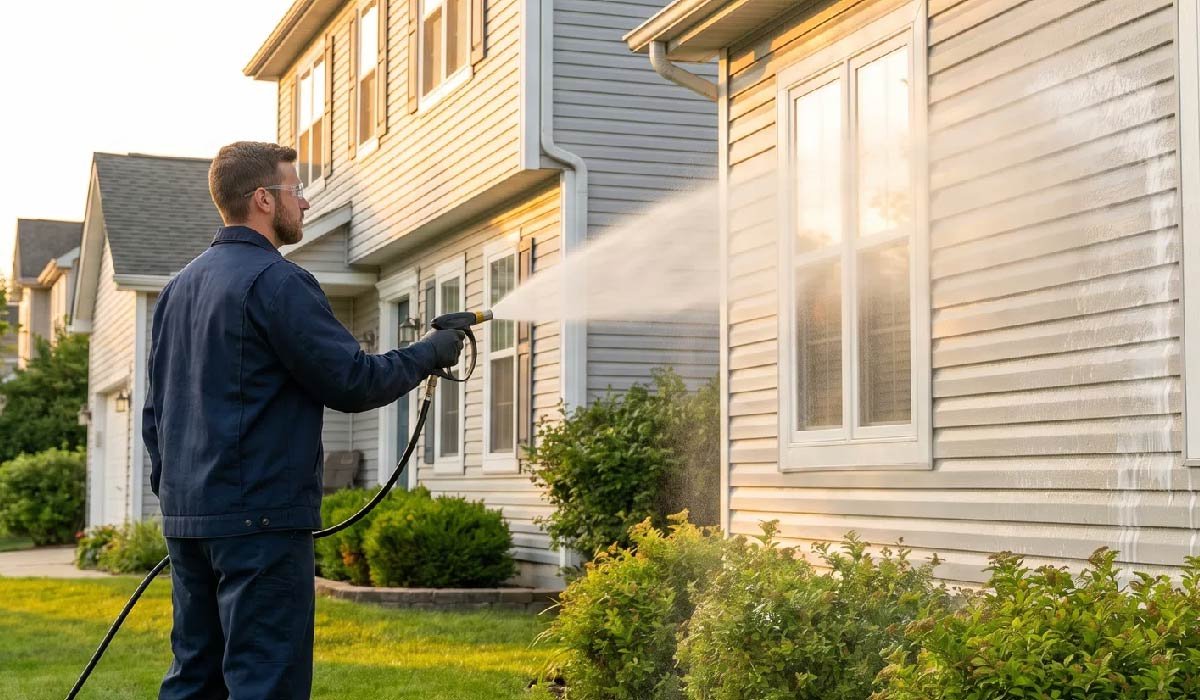
Maintaining a clean property exterior is essential for preserving its appearance, protecting outdoor surfaces, and creating a welcoming environment for residents, visitors, customers, and employees. Over time, driveways, sidewalks, patios, decks, exterior walls, and other outdoor areas accumulate dirt, mud, grease, pollen, algae, and environmental residue that ordinary cleaning methods may struggle to remove. These contaminants can make a property look neglected and may contribute to slippery surfaces, persistent stains, or premature deterioration when left untreated. Pressure washing offers an effective way to remove stubborn buildup by directing controlled water pressure onto suitable surfaces, helping restore their appearance and support regular property maintenance. When performed correctly, this cleaning method can make exterior areas easier to maintain while improving the overall presentation of residential and commercial buildings.
Many property owners underestimate how much environmental exposure affects their outdoor surfaces. Rain can leave behind dirt and mineral residue, wind carries dust and pollen across exposed areas, and vehicles may introduce oil, grease, and road grime onto driveways and parking spaces. Shaded areas may develop algae and mildew because moisture remains on the surface for extended periods, while frequently used walkways collect dirt from shoes, equipment, and everyday activity. Professional pressure washing helps address these different forms of buildup by using appropriate equipment settings and cleaning techniques for the material being treated. Selecting the right approach is important because excessive pressure can damage delicate surfaces, while insufficient cleaning may leave stubborn contaminants behind. Understanding the benefits, applications, and limitations of exterior washing helps property owners make informed maintenance decisions.
Understanding How Pressure Washing Works
Pressure washing uses specialized equipment to deliver water at elevated pressure, allowing the water stream to loosen and remove dirt, mud, residue, and other contaminants from suitable surfaces. Depending on the equipment and the cleaning task, technicians may adjust pressure levels, water flow, spray patterns, and nozzle selection to achieve the desired result. Some surfaces require additional cleaning products to address grease, algae, or deeply embedded stains, while others respond well to water alone. Effective pressure washing begins with identifying the surface material and understanding the type of contamination present. This assessment helps determine the appropriate technique and reduces the likelihood of damaging the area during cleaning.Different outdoor surfaces have different levels of durability, which means the same pressure setting should not be used everywhere. Concrete driveways and certain masonry surfaces can often tolerate more pressure than painted wood, vinyl siding, roof shingles, or delicate decorative finishes. Even concrete can be damaged when the equipment is operated incorrectly, particularly if the surface is already cracked, weathered, or poorly sealed. Professional pressure washing involves selecting suitable equipment settings, maintaining an appropriate distance from the surface, and using consistent movements to avoid creating visible lines or uneven cleaning patterns. Proper preparation and technique are just as important as the equipment itself because they determine whether the cleaning process produces an effective and uniform result.
Improving the Appearance of Driveways and Walkways
Driveways and walkways are among the most frequently used exterior surfaces on residential and commercial properties. They are exposed to vehicle traffic, foot traffic, tire marks, mud, fallen leaves, dust, and various environmental contaminants throughout the year. Oil spots and embedded grime can make concrete or paved surfaces appear old and poorly maintained, while algae and mildew may develop in damp or shaded areas. Regular pressure washing can remove much of this accumulated buildup from suitable driveways and walkways, helping restore a cleaner appearance and improve the overall presentation of the property. Maintaining these surfaces also makes it easier to identify cracks, uneven sections, and other conditions that may require repair.Clean walkways can be particularly valuable around entrances, garden paths, and areas used frequently by visitors or customers. Slippery organic growth may increase the risk of slipping, especially when the surface becomes wet, although washing alone does not guarantee that a walkway will be slip-resistant. A suitable pressure washing service can help remove algae, dirt, and other residue that may contribute to unsafe conditions. After cleaning, property owners should inspect the surface for loose pavers, damaged concrete, poor drainage, or recurring moisture problems. Addressing these underlying issues alongside regular cleaning can help maintain outdoor pathways in better condition and support a safer environment for everyday use.
Maintaining Patios, Decks, and Outdoor Living Areas
Patios and outdoor living spaces often become gathering areas for family members, friends, and guests, making their cleanliness an important part of property maintenance. Outdoor furniture, cooking equipment, potted plants, and everyday activities can contribute to stains and residue on concrete, stone, brick, and other patio materials. Weather exposure may also cause dust, leaves, algae, and mildew to accumulate, particularly in areas that receive limited sunlight. Appropriate pressure washing can help remove surface contamination from durable patio materials and improve the appearance of spaces used for relaxation and entertainment. Before cleaning, it is important to determine whether the surface is sealed, coated, or otherwise sensitive to water pressure and cleaning products.Decks require additional care because their materials can vary significantly in strength and durability. Wood may be damaged by excessive pressure, which can raise the grain, splinter the surface, or remove protective finishes. Composite decking can also have manufacturer-specific cleaning requirements that should be followed to avoid surface damage or discoloration. Professional pressure washing should therefore be adjusted according to the decking material and its condition, with lower pressure or alternative cleaning methods used when necessary. Once the surface is clean and completely dry, property owners can evaluate whether additional maintenance, such as resealing or refinishing, is appropriate. This careful approach helps preserve outdoor living areas without creating unnecessary repairs.
Removing Dirt, Grease, and Stubborn Exterior Stains
Outdoor surfaces can develop stains that ordinary sweeping or rinsing cannot fully remove. Vehicle fluids may leave marks on driveways, cooking grease can accumulate near outdoor kitchens, and industrial or commercial areas may experience heavier residue from equipment and daily operations. The effectiveness of pressure washing depends on the type of stain, the porosity of the material, and how long the contaminant has been present. Some stains may require a compatible cleaning solution or specialized pretreatment before washing, while others may remain partially visible because they have penetrated deeply into the surface. Setting realistic expectations helps property owners understand that cleaning can improve appearance without guaranteeing the complete removal of every stain.The cleaning process should also account for environmental protection and wastewater management. Oil, grease, and cleaning chemicals should not be washed indiscriminately into storm drains, garden beds, or nearby waterways. Responsible pressure washing involves selecting suitable products, managing runoff where required, and following applicable disposal requirements. Commercial properties with extensive staining may need a more carefully planned cleaning procedure than a small residential walkway, particularly when contaminants are associated with vehicle traffic or business operations. By considering both cleaning effectiveness and environmental responsibility, property owners can maintain outdoor surfaces while minimizing avoidable impacts on the surrounding area.
Pressure Washing for Commercial Properties
Commercial buildings, retail spaces, offices, restaurants, warehouses, and other business facilities often experience heavier exterior use than private residences. Customers and employees regularly walk across entrances and sidewalks, delivery vehicles move through loading areas, and parking spaces accumulate dirt, tire marks, and environmental residue. A dirty exterior can create an unprofessional first impression, while neglected walkways and building entrances may indicate that routine maintenance has been overlooked. Scheduled pressure washing can help businesses maintain cleaner outdoor areas, support a more professional appearance, and make routine property care more manageable. Cleaning schedules can be arranged around business hours to minimize disruption to employees, visitors, and daily operations.Commercial cleaning may involve larger areas and more complicated requirements than residential work. Technicians may need to consider pedestrian access, vehicle movement, outdoor electrical equipment, drainage systems, and the type of contaminants present in different sections of the property. Professional pressure washing can be tailored to sidewalks, parking areas, service entrances, loading zones, and other suitable surfaces according to their materials and cleaning needs. Businesses should also consider how often each area becomes dirty rather than applying the same schedule to every part of the building. High-traffic entrances may require more frequent attention, while less frequently used exterior areas may need cleaning only when visible buildup develops. A planned maintenance routine helps businesses manage costs while keeping important exterior spaces presentable.
Protecting Exterior Walls and Building Materials
Exterior walls are exposed to airborne pollutants, pollen, dust, rainwater, and organic growth that may gradually affect the appearance of a building. Brick, concrete, stone, and some other durable materials may tolerate carefully controlled washing, but painted surfaces, vinyl siding, wood, and delicate finishes require additional caution. Excessive pressure can damage paint, force water behind siding, deteriorate mortar joints, or affect protective coatings. Before using pressure washing on exterior walls, property owners should identify the material, inspect its condition, and follow appropriate cleaning recommendations. A professional assessment can help determine whether pressure washing is suitable or whether a lower-pressure alternative would provide a safer result.Windows, doors, vents, exterior lighting, and utility connections also require protection during building maintenance. Directing high-pressure water into gaps or vulnerable openings can introduce moisture into areas that are not designed to withstand forceful spray. Professional pressure washing should involve controlled application, appropriate nozzle selection, and careful attention to the building’s condition. Where soft washing or another gentler technique is more suitable, the cleaning method should be selected accordingly rather than forcing every surface to undergo high-pressure treatment. Matching the technique to the material helps preserve the building’s exterior while reducing the risk of costly repairs.
The Importance of Professional Equipment and Techniques
Using pressure-washing equipment effectively requires an understanding of water pressure, flow rate, nozzle selection, cleaning distance, and surface sensitivity. A nozzle that produces a concentrated stream may remove stubborn dirt from a suitable durable surface, but the same stream can etch concrete, damage wood, or strip paint when used incorrectly. Professional pressure washing involves adjusting these factors according to the task and maintaining consistent movement to prevent uneven marks. Technicians should also recognize when additional cleaning solutions or alternative methods are necessary, since water pressure alone may not adequately address certain stains or biological growth.Professional service can be especially useful when cleaning large surfaces, elevated areas, heavily stained concrete, or commercial spaces with complex drainage requirements. Experienced technicians can assess the property, identify sensitive features, and establish precautions before beginning work. Property owners considering exterior cleaning can explore the services offered by Mallard Systems through its website at pressure washing to learn more about available exterior maintenance options. When arranging pressure washing, it is helpful to ask about the proposed method, the materials being cleaned, the handling of runoff, and any preparation required before the appointment. Clear communication supports realistic expectations and helps ensure that the selected service is appropriate for the property’s specific needs.
Preparing a Property for Pressure Washing
Proper preparation helps protect the property and allows the cleaning process to proceed more efficiently. Before work begins, outdoor furniture, decorative items, portable equipment, and other movable objects should be cleared from the cleaning area. Windows and doors should be closed, and vulnerable electrical components or fixtures should be identified so that suitable precautions can be taken. A professional pressure washing provider should also examine the surface for cracks, loose materials, damaged coatings, and other conditions that may be worsened by water pressure. Addressing these concerns before cleaning helps prevent avoidable damage and allows the technician to select the most suitable approach.Landscaping, drainage, and surrounding property features should also be considered during preparation. Cleaning runoff may carry dirt and cleaning products away from the surface, so the work area should be managed to reduce unnecessary exposure to plants, pets, and nearby water systems. During pressure washing, technicians should follow appropriate product instructions, use suitable protective equipment, and control where the water flows. Property owners should communicate any known problems, such as leaking exterior fixtures, damaged siding, or previous moisture intrusion, before work starts. This information helps the service provider make informed decisions and carry out the cleaning process more responsibly.
How Often Should Exterior Surfaces Be Cleaned?
The ideal cleaning schedule depends on the type of surface, the amount of traffic it receives, the surrounding environment, and the rate at which dirt accumulates. Driveways exposed to vehicles may develop tire marks and oil stains more quickly than lightly used patios, while shaded walkways may experience more organic growth because they remain damp for longer periods. A sensible pressure washing schedule should reflect these conditions instead of relying on frequent cleaning without a clear need. Regular visual inspections can help property owners identify when visible buildup has reached a level that warrants attention.Weather exposure and seasonal changes may also affect exterior maintenance requirements. Periods of heavy rainfall can spread dirt and organic residue, while dry and windy conditions may increase dust accumulation. Businesses with substantial pedestrian or vehicle traffic may benefit from a planned cleaning schedule, whereas residential properties may only need targeted cleaning when certain areas become visibly dirty. Appropriate pressure washing should be performed when it provides a clear maintenance benefit and can be completed safely for the material involved. Cleaning too aggressively or too frequently may cause unnecessary wear, particularly on painted, wooden, or otherwise delicate surfaces. Combining periodic inspections with timely maintenance helps preserve outdoor areas without exposing them to avoidable damage.
Common Pressure Washing Mistakes to Avoid
One of the most common mistakes is assuming that the highest possible water pressure will deliver the best results. Excessive pressure can scar concrete, damage wooden surfaces, strip paint, loosen mortar, and force water into vulnerable building openings. Using the wrong nozzle or holding the spray too close to the surface can create permanent marks even during a short cleaning session. Safe pressure washing requires appropriate equipment settings, controlled movement, and an understanding of the surface being treated. Property owners should avoid experimenting with high-pressure equipment on unfamiliar materials and should seek professional assistance when there is uncertainty about the correct cleaning method.Another mistake is overlooking the need for surface preparation and runoff control. Washing over loose debris, damaged materials, or sensitive electrical components can create additional hazards, while allowing contaminated runoff to enter inappropriate drainage areas can cause environmental problems. Effective pressure washing should include an assessment of the work area, suitable protection for surrounding features, and responsible handling of cleaning products. It is also important to recognize that washing does not repair cracks, restore deteriorated coatings, or resolve drainage defects. When structural or surface damage is discovered, the appropriate repairs should be considered separately so that cleaning becomes part of a broader maintenance plan rather than a substitute for necessary corrective work.
Conclusion
Keeping exterior surfaces clean is an important part of preserving a property’s appearance, maintaining usable outdoor spaces, and identifying problems that may require further attention. Driveways, walkways, patios, commercial entrances, and suitable exterior walls can accumulate dirt, grease, algae, and environmental residue that gradually make them look neglected. Professional pressure washing offers an effective cleaning option for appropriate durable materials by using controlled water pressure to remove stubborn buildup and improve the appearance of outdoor areas. Selecting suitable equipment settings, protecting vulnerable surfaces, and managing runoff responsibly are essential to achieving good results without creating unnecessary damage.A successful exterior maintenance routine depends on choosing the right cleaning technique for each surface and understanding when professional assistance is appropriate. Some areas benefit from pressure washing, while roofs, delicate siding, and other vulnerable materials may require soft washing or an alternative method. Combining pressure washing with routine inspections, timely repairs, and preventive maintenance can help property owners maintain cleaner outdoor spaces and protect the condition of their buildings. With appropriate planning and responsible cleaning practices, exterior maintenance becomes a practical investment in property presentation, surface care, and long-term upkeep.
