

The Science of Friction and Grip in High Level Gymnastics
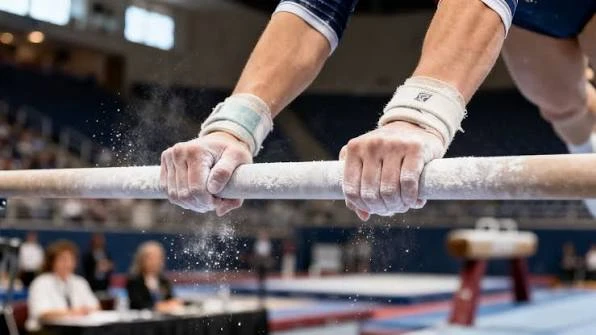
In the world of competitive gymnastics, the difference between a successful release move and a dangerous slip often comes down to a few microns of magnesium carbonate. For athletes performing at the highest levels, the uneven bars or high bar represent a unique challenge where friction must be perfectly balanced. Too much friction leads to painful skin tears known as rips, while too little friction results in a loss of control during high velocity swings.
The primary purpose of chalk is to manage moisture. Human hands naturally produce sweat, which acts as a lubricant on the wooden or fiberglass rail. Magnesium carbonate works by absorbing this moisture, ensuring that the leather grips worn by the athlete can maintain a consistent interface with the bar. However, not all chalk is created equal. The debate between liquid and solid forms has intensified as sports science provides more insight into how these substances interact with skin and leather under extreme tension.
Understanding Block Chalk: The Traditional Standard
Block chalk is the quintessential image of the sport. It is pure magnesium carbonate compressed into a solid cube that athletes crush into a fine powder within a chalk bucket. For decades, this has been the only option available, and it remains a staple in every competitive facility. The primary advantage of block chalk is the ability to customize the texture. Athletes can choose to leave small chunks for added grit or grind it into a silkier powder depending on their preference for a particular apparatus.
Elite Gymnasts often rely on block chalk because of the tactile ritual involved in its use. The process of chalking up between turns allows an athlete to reset mentally and physically. From a technical standpoint, block chalk is excellent for building up a base on the leather grips. When a gymnast applies water or sugar water to their grips and then layers block chalk on top, it creates a tacky paste that hardens into a protective and grippy crust. This crust is vital for performing long sequences of giants and release moves where the centrifugal force is pulling the athlete away from the bar with immense power.
The Rise of Liquid Chalk: Modern Innovation on the Uneven Bars
Liquid chalk is a relatively recent addition to the gymnast’s arsenal. It consists of magnesium carbonate suspended in an alcohol base. When applied to the hands, the alcohol evaporates quickly, leaving behind a very thin, uniform layer of chalk that gets into the fine creases of the skin. This delivery method provides a level of coverage that is difficult to achieve with powder alone.
The primary benefit of the liquid variety is its staying power. Because the alcohol helps the chalk bond more tightly to the skin, it does not blow off or rub away as easily as loose powder. This makes it a popular choice for athletes who struggle with excessively sweaty palms. In many modern training environments, coaches are beginning to see the benefits of starting a session with a liquid base to ensure the first layer of protection remains intact throughout a full routine.
Key Differences in Application and Longevity
When comparing these two mediums, the most immediate difference is the mess factor. Block chalk is notorious for creating a cloud of dust that settles on every surface in the gym. Liquid chalk, conversely, is contained and produces almost no airborne particles during application. This has led many urban facilities or high end clubs to mandate the use of liquid products to maintain air quality and equipment cleanliness.
In terms of longevity during a routine, liquid chalk generally wins. A single application can often last through an entire warm up. However, block chalk is much easier to reapply quickly. If a gymnast is in the middle of a pressure packed competition and needs a quick touch up, reaching into a bucket is faster than waiting for a liquid to dry. This practical reality is why most professionals still keep a block nearby, even if they use a liquid base.
Why Elite Gymnasts Prefer Specific Textures for Release Moves
When performing complex release elements like a Tkatchev or a Kovacs, the feel of the bar is paramount. Many top tier athletes argue that liquid chalk feels too thin for these moves. They often prefer the thick, textured buildup that only block chalk can provide. This buildup acts as a buffer between the hand and the bar, allowing for a slight slide that is necessary for adjusting hand position mid air.
Elite Gymnasts often find that the combination of products yields the best results for bar work. By using a liquid base to dry the skin and then adding block chalk on top for texture, they achieve a hybrid grip that offers both security and the necessary slide. This nuanced approach is what separates the recreational athlete from the professional who understands the physics of their sport.
The Impact of Gym Environment and Humidity on Chalk Performance
Environmental factors play a massive role in which type of chalk performs best. In high humidity environments, block chalk can become clumpy and lose its effectiveness as it absorbs moisture from the air before it even touches the athlete’s hands. In these conditions, liquid chalk is superior because it remains sealed in a bottle until the moment of use, ensuring it is perfectly dry when applied.
Conversely, in very dry or cold climates, liquid chalk can sometimes dry out the skin too much, leading to cracking or premature ripping. In these cases, the softer and more malleable nature of block chalk is preferred. Elite athletes who travel for international competitions must be prepared to adjust their chalk strategy based on the local climate of the host city, often carrying both types in their gear bag to ensure they are never caught off guard.
Health and Respiratory Considerations in the Training Hall
One of the most significant arguments for the transition toward liquid chalk involves respiratory health. The fine dust produced by block chalk can stay suspended in the air for hours, where it is inhaled by athletes and coaches. Long term exposure to high concentrations of magnesium carbonate dust can lead to irritation of the respiratory tract.
Furthermore, liquid chalk often contains a high percentage of alcohol, which acts as a natural disinfectant. In a shared gym environment where many hands touch the same bars, this antimicrobial property provides an extra layer of hygiene. This has become an increasingly important factor for Elite Gymnasts who prioritize health and consistency in their training cycles.
Strategic Layering: The Secret Technique of Professional Athletes
The most effective way to use these products is not to choose one over the other, but to use them in tandem. The strategic layering technique involves three specific steps:
- Start with clean, dry hands and apply a small amount of liquid chalk, rubbing it thoroughly into the palms and fingers.
- Wait approximately thirty seconds for the alcohol to fully evaporate, leaving a white, ghost like coating on the skin.
- Apply a light layer of block chalk over the liquid base, focusing on the areas where the leather grips will make contact with the hand.
This method creates a multi tiered barrier. The liquid chalk prevents sweat from breaking through from the skin side, while the block chalk provides the external friction needed to grip the bar or the leather. This is the preferred method for long bar sessions where the athlete is performing multiple full routines.
Making the Choice for Your Personal Performance Goals
Ultimately, the choice between liquid and block chalk depends on individual physiology and the specific requirements of the routine being performed. If you are an athlete who suffers from chronic sweaty hands, liquid chalk will likely be a game changer for your stability on the bars. If you prefer a traditional feel and like to customize the grit of your grip, block chalk remains the gold standard.
For those looking to reach the highest levels of the sport, experimenting with both is essential. Understanding how different brands and types of magnesium carbonate react with your skin and your grips is a part of the technical mastery required in gymnastics. By paying attention to these small details, you can ensure that your grip is the last thing you have to worry about when you salute the judge and jump to the high bar. Success in gymnastics is built on a foundation of precision, and that precision starts with the very substance you put on your hands. Elite Gymnasts know that every advantage counts, and mastering the art of the grip is a vital step toward the podium.
