

Key Takeaways
- A good puzzle break is easy to begin, enjoyable to complete, and simple to leave behind when time is up.
- Word, number, visual, trivia, and hands-on puzzles can fit different moods and energy levels.
- Short breaks can provide a useful change of pace during demanding work, study, or household tasks.
- The most sustainable puzzle routine balances challenge with enjoyment rather than focusing on speed.
- Flexibility matters more than a perfect daily streak.
A puzzle break is a brief, intentional activity that gives your attention something clear and contained to do. A collection of variety puzzles for different interests and difficulty levels, such as those available at https://www.pennydellpuzzles.com/variety-puzzles/, can make it easier to choose an activity that fits the few minutes you actually have. Options such as word games, number puzzles, and logic challenges provide different ways to enjoy a short mental break.
There is no need to turn this into another productivity rule. The purpose is simply to step away from a demanding task, work through a small challenge, and return to the rest of the day with a different frame of mind. Even a few minutes spent on an enjoyable puzzle can offer a simple change of pace without adding pressure to your schedule.
Why Puzzle Breaks Work
A puzzle gives a break a defined beginning and ending. Instead of opening an app with no obvious stopping point, you can solve a clue, complete a small number grid, find a visual match, or place a few pieces before moving on. That structure can make a short pause feel satisfying without requiring a major time commitment.
Research from the American Psychological Association suggests that short breaks and temporary changes in activity can support energy and attention during work. The best length and type of break will differ by person and task, but brief changes of activity can be a practical option when concentration starts to fade.
Puzzles are not a replacement for sleep, movement, meals, medical care, or time away from ongoing stress. They are simply one modest tool for creating a pause between tasks. For example, after finishing a difficult email, try one five-minute puzzle before starting the next item on your list.
Choose The Right Puzzle Format
No single puzzle works for every person or every moment. The right choice depends on whether you want language, logic, observation, memory, or hands-on activity.
- Word puzzles: Crosswords, word searches, anagrams, and clue-based games suit readers who enjoy vocabulary and language.
- Number and logic puzzles: Sudoku-style grids, deduction problems, and sequence challenges appeal to people who enjoy rules and patterns.
- Visual puzzles: Spot-the-difference activities, matching games, mazes, and picture-based challenges emphasize observation.
- Trivia puzzles: Questions about history, science, sports, or entertainment can be a light way to explore familiar and unfamiliar subjects.
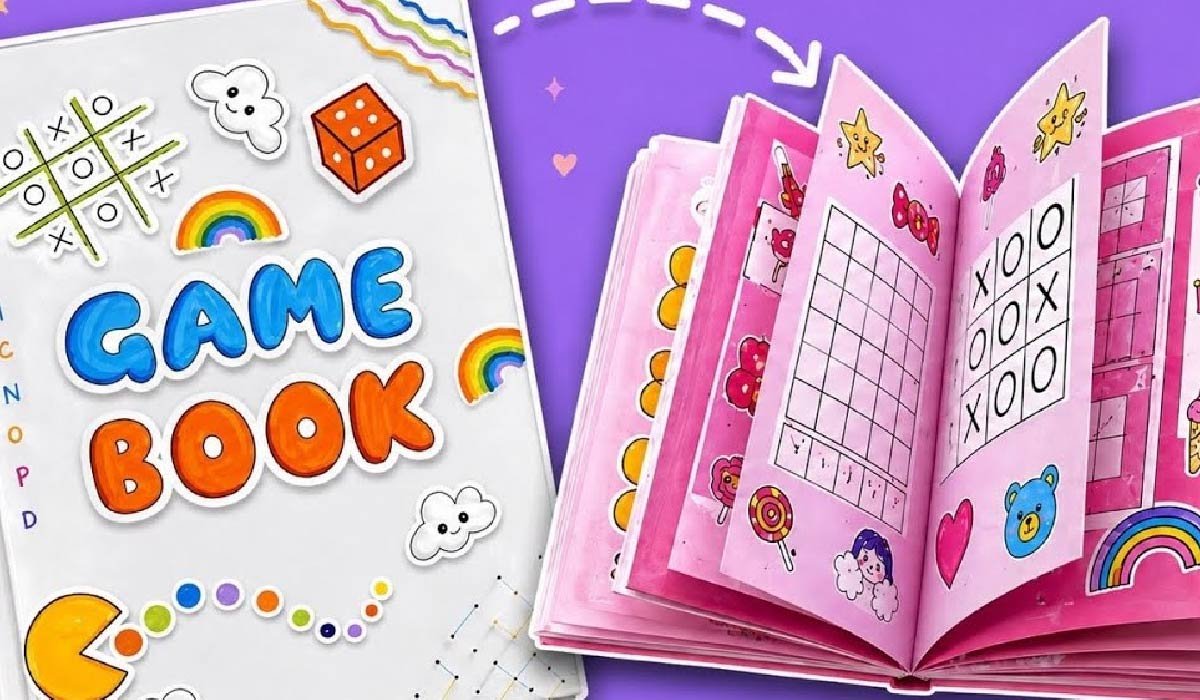
- Hands-on puzzles: Jigsaws, tangrams, and pencil-and-paper activities offer a screen-free alternative. The broad range of formats is one reason a puzzle can be a game, a problem, or a toy rather than a narrowly defined activity.
Match Puzzles To Your Available Time
Choose the puzzle after checking the clock. Starting a complex challenge with only three minutes can create more pressure than relief.
- Two to five minutes: Try one clue, a mini maze, a short pattern, or a quick visual challenge.
- Ten to fifteen minutes: Choose a compact word puzzle, number grid, or logic problem with a clear finish.
- Twenty to thirty minutes: Work on a multi-step deduction puzzle, a more difficult grid, or a small section of a jigsaw.
- An hour or more: Save longer puzzles for a relaxed evening, weekend, or shared activity.
Build A Simple Puzzle Routine
- Pick a natural pause. Use the time after lunch, after work, or between household tasks.
- Make the first step small. Begin with one clue or five minutes, not an ambitious daily target.
- Keep materials visible. Place pencils, puzzle books, or pieces where they are easy to reach.
- Set a gentle boundary. A timer can help when you need to return to work or leave the house.
- Stop at a useful milestone. Finish a section, mark your place, and leave the next step obvious.
Balance Challenge And Fun
Always-easy puzzles can become repetitive, while consistently difficult ones can make a break feel like another obligation. A useful middle ground is a challenge that requires attention but still gives you a sense of progress.
- Use an easy puzzle as a warm-up on a low-energy day.
- Choose moderate difficulty for most sessions.
- Save demanding puzzles for times when you are not rushed.
- Use hints when they help you learn a new approach.
- Put a frustrating puzzle aside and return later with fresh eyes.
Use Puzzles For Shared Time
Puzzles can also be a low-pressure way to spend time with family, friends, coworkers, or neighbors. Pick an activity with understandable rules and give everyone a role. One person might read clues, another can write answers, and another can look for patterns or verify a solution.
Keep the tone cooperative, especially when beginners or younger players are involved. Taking turns and discussing different ideas afterward can be more enjoyable than treating the activity as a contest.
Avoid Common Mistakes
- Starting too big: A long session can make a relaxing habit feel like a chore.
- Choosing only hard puzzles: Difficulty is not the same as enjoyment.
- Chasing speed: Fast solving can be fun, but it does not need to be the goal.
- Using too many formats at once: Too much choice can make it harder to begin.
- Ignoring your energy: A visual puzzle may fit one day better than a word puzzle.
- Seeing missed days as failure: A flexible routine is easier to resume.
Create A Flexible Weekly Plan
A simple rotation can keep the activity fresh without filling your calendar:
- Monday: A short word or clue-based puzzle.
- Tuesday: A number or logic challenge.
- Wednesday: A visual or pattern puzzle.
- Thursday: A trivia or knowledge-based activity.
- Friday: Your personal favorite.
- Saturday: A longer shared session, if you want one.
- Sunday: An easy puzzle or no puzzle at all.
Common Questions About Puzzle Breaks
How long should a puzzle break last?
Five to fifteen minutes is a practical starting range for many busy days. Longer sessions can work when you have more time and want to settle into a deeper challenge.
Are puzzle breaks better than scrolling?
It depends on your goal. A puzzle may feel more active and easier to contain because it has a defined task, while scrolling can be useful for other purposes. Notice which choice helps you feel ready for what comes next.
What if a puzzle feels too difficult?
Lower the difficulty, use a hint, switch formats, or return later. A break should not become an extended struggle.
Final Thoughts
A better puzzle break does not need to be long, expensive, competitive, or perfectly consistent. Choose one format, set aside 10 quiet minutes when it fits, and pay attention to how you feel afterward. If the activity leaves you refreshed and curious, it has earned a place in your routine.
