

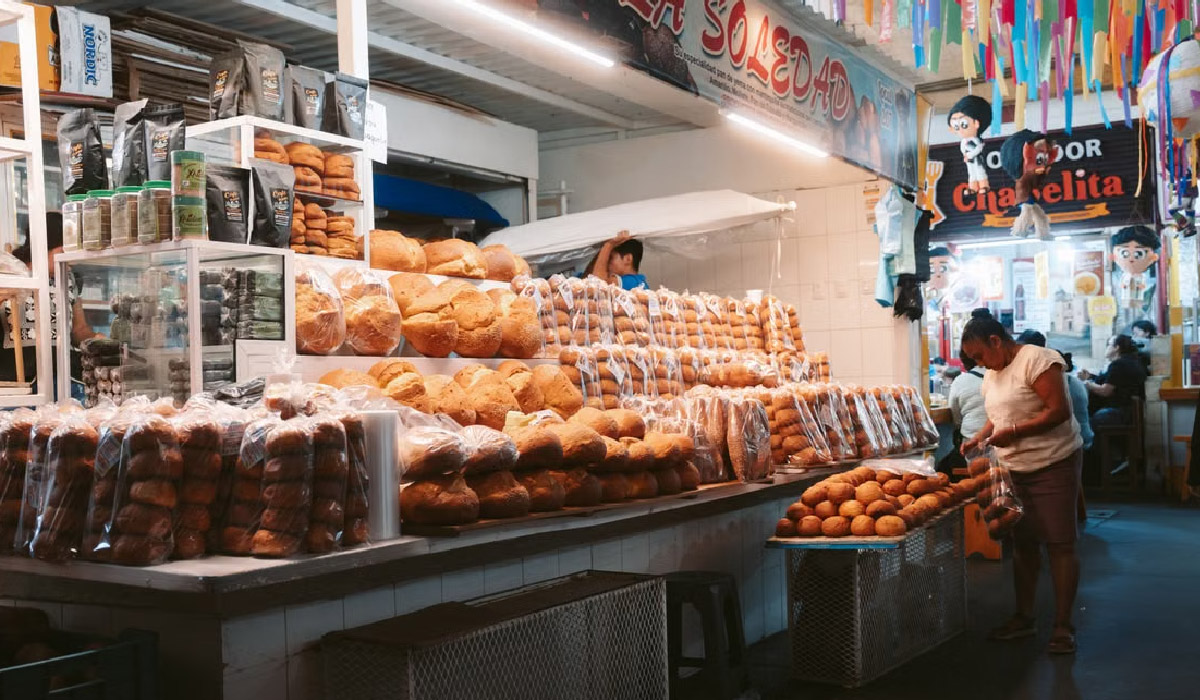
You probably walk past the bakery section at your local grocery store without thinking much about what happens behind the glass. Fresh bread, frosted cakes, cookies that somehow smell louder than everything else in the building—it all looks simple from the outside. It isn’t. Grocery store bakeries sit at the intersection of food production, retail psychology, convenience, and tight timing, and once you understand how they operate, you can make better choices every time you shop.
The role of bakers, decorators, and timing
The people working in a bakery are usually juggling more than customers realize. Mixing dough, proofing bread, baking trays, decorating cakes, labeling products, cleaning equipment, and handling custom orders can all happen in the same shift.
That’s where experienced bakers at grocery stores make a visible difference. A well-run team can keep products consistent, manage rush periods, and still produce cakes or pastries that don’t look like they survived a stressful meeting.
Timing matters almost as much as skill. Morning shoppers may see breakfast pastries and bread at peak quality, while evening shoppers often find markdowns or fewer options. If you want the best selection for a birthday cake, holiday dessert, or specialty bread, ordering ahead beats hoping the display case reads your mind.
What a grocery store bakery really does behind the scenes
A grocery store bakery is part kitchen, part production line, and part customer service desk. You’re not just looking at a place that sells muffins. You’re looking at a department built to keep fresh-looking products available all day while working around labor limits, storage space, and shifting demand.
Some stores bake from scratch, some finish partially prepared dough, and others rely on central commissaries that send products ready to decorate or heat. That mix depends on the store’s size, staffing, and customer expectations.
The result is a bakery that has to move fast without looking rushed. Cakes need to be decorated neatly, bread needs to be rotated, and seasonal items need to appear right on cue. A pumpkin muffin in July feels slightly unhinged, and stores know it.
Why freshness means more than “made today”
When you shop bakery items, “fresh” can mean several different things. It might mean baked on-site that morning, thawed and finished in-store, or delivered recently from another production location. None of those options are automatically bad, but they do affect texture, shelf life, and flavor.
Bread is a good example. A loaf baked fully on-site often has a stronger crust and a shorter sweet spot. A par-baked loaf finished in-store may still be warm and appealing, but the crumb can behave differently by the next day.
You don’t need to become a pastry detective. Just ask simple questions: Was this baked here? When did it come out? How long does it stay at its best? Good bakery staff usually know, and clear answers tell you a lot about the department’s standards.
How pricing works and where the real value is
Grocery store bakery pricing can look random until you notice the logic. Everyday items like sandwich rolls or cookies are often priced to encourage impulse buys. Celebration cakes, artisan-style breads, and specialty desserts usually carry higher margins because they require more labor or decorative work.
Value isn’t only about the cheapest option. A dozen cookies on sale may be a bargain, but not if half go stale before anyone eats them. A slightly pricier loaf with better ingredients and stronger texture can stretch further if it actually gets finished.
Watch for markdown times, holiday overstock, and bundle deals. Many stores discount items near the end of the day or package multiple pastries together. If you’re shopping for a gathering, that can cut costs without pushing you into the snack aisle where budgeting discipline goes to die.
What to look for when quality matters
You can learn a lot from the display case in under a minute. Start with appearance, but don’t stop there. Uniform color, clean packaging, and tidy labeling suggest the department is paying attention. Smudged frosting, collapsed pastries, or dried edges usually signal products that have been sitting too long.
Texture clues matter too. Bread should feel structured, not rock hard or oddly squishy. Cookies should match their style: crisp cookies shouldn’t bend, soft cookies shouldn’t feel damp. Frosted cakes should look stable, not shiny in a way that suggests they’ve been warming under lights.
If ingredients matter to you, read labels carefully. Grocery store bakeries vary a lot. Some use butter and simple fillings; others lean heavily on stabilizers, artificial colors, or premade mixes. Neither approach is universal, so a quick check beats assuming anything from the pretty display alone.
Why custom orders can be smarter than buying off the shelf
Off-the-shelf bakery items work well when you need speed. Custom orders work better when the details matter. If you’re feeding a group, managing allergies, matching a theme, or trying to avoid a last-minute scramble, ordering ahead gives you more control.
That doesn’t mean every custom cake turns into a television-level masterpiece. Grocery store bakeries tend to focus on practical customization: message piping, color schemes, size choices, fillings, and popular character or celebration themes.
Ask early, especially around graduation season, major holidays, and weekends. Bakery departments run on schedules, and the best options narrow quickly when order boards fill up. A two-minute conversation ahead of time can save you from settling for the one remaining cake that says “Congrats!” when you actually needed “Happy Retirement, Steve.”
How grocery store bakeries fit into local food culture
A bakery department often reflects the neighborhood around it. In some places, customers expect crusty European-style bread. In others, sweet rolls, sheet cakes, donuts, or culturally specific pastries drive traffic. Stores that pay attention to local tastes usually earn stronger loyalty.
That local connection matters because grocery store bakeries are one of the few retail spaces where food still feels personal. A decorator remembers your kid’s birthday theme. A baker knows which rolls sell out before Sunday dinner. Small interactions like that build trust in a way packaged center-aisle products rarely can.
For you, that means shopping the bakery can be more than a convenience move. It can be a way to support a store department that still relies on timing, craft, and human judgment. In a retail world full of automation, a decent croissant made by someone who knows what they’re doing still counts as progress.
You May Also Read: How to Get More Out of a Beach Vacation Without Overloading Your Itinerary
