

A roof rarely announces trouble with one dramatic failure. More often, the warnings appear gradually through worn shingles, moisture marks, granules in the gutters, or sections that no longer look quite right. Recognizing these changes early gives homeowners more time to investigate, budget, and act before a manageable roofing problem spreads to other parts of the home.
Age Can Put Other Warning Signs Into Perspective
The age of a roof does not automatically determine whether it needs replacement, but it provides useful context.
Asphalt shingles gradually lose flexibility and protective granules as they age. Sealants can deteriorate, flashing may weaken, and repeated exposure to weather can make older materials increasingly vulnerable.
If you know when the roof was installed, compare its age with the expected service life of the material. Forbes notes that typical asphalt shingle systems often last around 20 to 25 years, although actual longevity depends on installation and conditions.
An older roof showing several other warning signs deserves more attention than a relatively new roof with one isolated defect.
Look at the Roof as a Complete System
One missing shingle after a storm may be a straightforward repair. Multiple areas showing curling, cracking, granule loss, or missing material tell a different story.
When deterioration appears across the roof, repeatedly repairing individual sections can become less practical. The problem may reflect general aging rather than one isolated failure.
Homeowners considering roof replacement should look at the roof’s overall condition, including its age, history of repairs, visible shingle deterioration, flashing, and any evidence of moisture intrusion. A professional assessment can help determine whether repairing a specific area still makes sense or whether widespread wear warrants a more comprehensive solution.
Shingles Often Show Trouble First
Shingles form one of the roof’s primary defenses against weather, so changes in their condition are worth noticing.
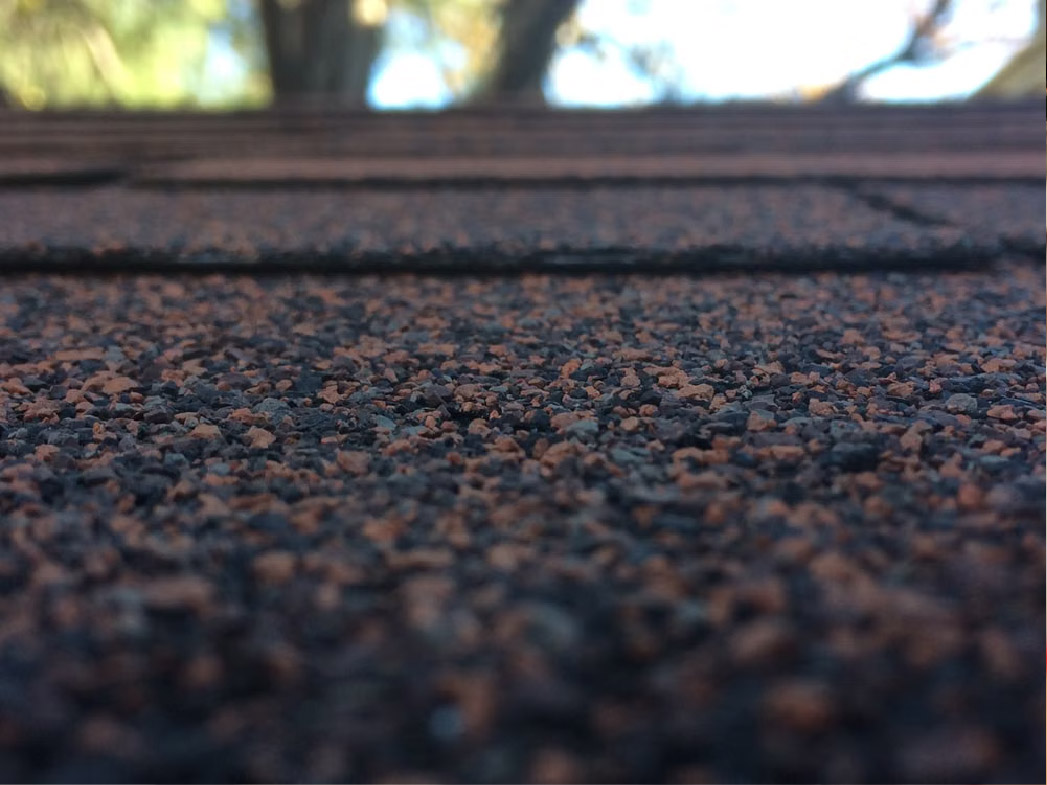
Curling edges, cracks, missing sections, and exposed patches can reduce the roof’s ability to shed water properly. Granule loss is another important clue. Asphalt shingles rely on their granular surface for protection, and substantial loss can leave them more vulnerable to deterioration.
Learning the common signs you need a new roof can help put these visual changes into context. Missing shingles, curling, cracking, gutter granules, sagging, and water damage are among the conditions worth watching.
The key is pattern. One damaged area may need repair; similar damage across several sections may suggest a larger problem.
Water Damage May Begin Long Before the Drip
A ceiling stain can seem like the beginning of a leak, but water may have entered the roofing system well before becoming visible indoors.
Moisture can travel along decking, rafters, insulation, or other building materials. As a result, the stain you see may not sit directly below the original entry point.
Check the attic periodically for damp insulation, discolored wood, musty odors, or visible moisture. Forbes notes that roof leaks can also reveal themselves through ceiling stains, bulging drywall, damaged shingles, and marks on exterior walls.
Recurring moisture deserves particular attention. Continually repairing interior stains without identifying the source can allow hidden damage to worsen.
Granules in the Gutters Deserve a Second Look
Gutters can reveal information about roof condition even when the shingles look relatively normal from the ground.
Some granule shedding is expected, particularly with newer asphalt shingles. Heavy accumulation from an aging roof is more concerning.
Once shingles lose substantial amounts of their protective surface, they may deteriorate more quickly. Look for unusually large quantities of gritty material during gutter cleaning, especially when accompanied by visibly bare or uneven shingles.
Gutters should also remain clear enough to direct water away efficiently. Blocked drainage can allow moisture to collect where it should not.
A Safe Inspection Can Reveal Problems Early
You do not need to walk across the roof to keep an eye on its condition.
A careful ground-level inspection can reveal missing shingles, sagging areas, damaged gutters, debris buildup, and other visible changes. Binoculars can make distant areas easier to examine without introducing the risks associated with climbing onto the roof.
Following a basic roof inspection guide can also help homeowners understand what areas deserve attention, including roof coverings, flashing, drainage components, and visible structural concerns.
After significant weather, another quick visual check can be worthwhile. Comparing the roof with earlier photographs may make subtle changes easier to recognize.
Sagging Is More Than a Cosmetic Problem
Rooflines should generally appear straight and structurally consistent. Visible dips or sagging sections deserve prompt professional evaluation.
Sagging can be associated with deteriorated decking, prolonged moisture exposure, structural problems, or excessive loads. Unlike a single missing shingle, this is not something to treat as a minor surface defect.
Avoid climbing onto an area that appears structurally compromised. A professional can evaluate the condition without unnecessarily adding weight to a potentially weakened section.
Know When Repairs Stop Providing Real Value
Roof repairs make sense when they address isolated damage and leave an otherwise serviceable system in good condition.
The calculation changes when problems keep returning.
Consider how often repairs have been needed, whether leaks are appearing in different areas, how old the roofing materials are, and whether underlying components are beginning to deteriorate.
A lower repair bill today can look attractive, but several repairs over a short period may eventually cost more while leaving the larger problem unresolved.
Replacement should therefore be evaluated as a long-term decision rather than simply the more expensive option on today’s estimate.
Pay Attention Before the Roof Demands It
Roof maintenance is easier when decisions are made before water is actively entering the home.
Keep track of the roof’s age, inspect visible areas periodically, clear drainage systems, and pay attention after severe weather. If shingles begin failing across multiple sections, leaks recur, or the roofline changes, arrange a professional assessment rather than waiting for the next storm to provide confirmation.
Not every imperfection means the roof needs replacing. What matters is recognizing when individual warning signs begin forming a pattern.
Catching that pattern early gives you something every homeowner wants when facing a major repair: more time, more options, and fewer expensive surprises.
You May Also Read: How to Keep Small Exterior Problems From Becoming Major Home Repairs
