

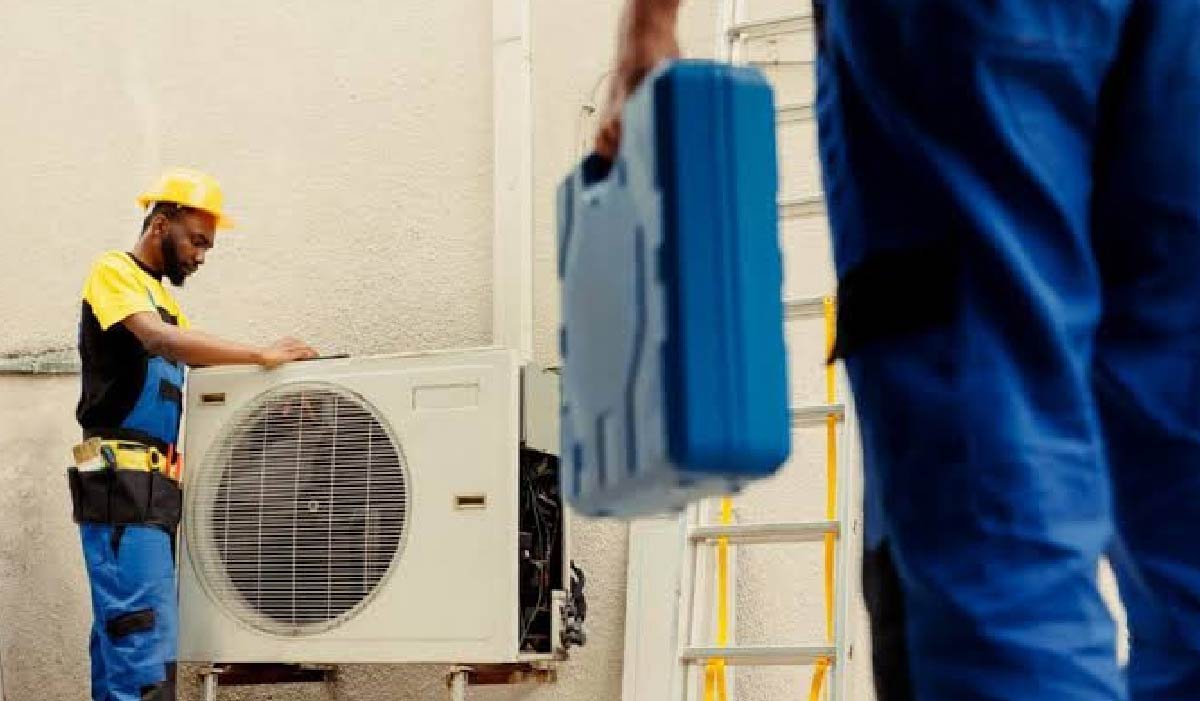
Understanding the Value of a Professional HVAC Contractor
A comfortable indoor environment depends on reliable heating, ventilation, and air conditioning systems that maintain suitable temperatures, support air circulation, and help regulate humidity throughout the year. A professional HVAC contractor provides services that help homeowners maintain these systems, address developing problems, and improve overall equipment performance. From installing new heating and cooling equipment to inspecting existing systems and diagnosing operational issues, qualified professionals help ensure that essential components work together effectively. Heating and cooling systems contain mechanical, electrical, and airflow components that require appropriate installation, regular maintenance, and timely repairs. Working with an experienced professional allows homeowners to identify concerns before they become expensive failures while maintaining a comfortable indoor environment during changing weather conditions.Choosing the right HVAC contractor is also important because every property has different heating and cooling requirements. Factors such as building size, insulation, window placement, ductwork design, occupancy, and existing equipment can influence system performance. A system that is incorrectly sized or poorly installed may struggle to maintain consistent temperatures, consume unnecessary energy, or experience repeated operational problems. A qualified professional evaluates these conditions before recommending an installation, repair, or maintenance plan. This careful approach helps homeowners select practical solutions that match their property and budget while supporting dependable operation. Whether the goal is improving cooling during warm weather, maintaining reliable heating during colder months, or upgrading outdated equipment, professional guidance can make the entire process more manageable and effective.
Why Proper HVAC Installation Matters
Correct installation is one of the most important factors influencing the performance, reliability, and service life of heating and cooling equipment. An experienced HVAC contractor evaluates the property’s heating and cooling requirements before selecting suitable equipment, rather than choosing a system based solely on its price or advertised capacity. An oversized air conditioner may cool a home quickly but cycle on and off frequently, potentially reducing humidity control and increasing wear. An undersized system may operate for extended periods without maintaining the desired temperature. Proper equipment selection considers the building’s characteristics, insulation, windows, occupancy, and other relevant conditions. Professional installation also involves appropriate electrical connections, refrigerant-line procedures where applicable, drainage arrangements, airflow adjustments, and system testing to ensure that the equipment operates according to manufacturer specifications.Homeowners who hire a qualified HVAC contractor can also benefit from a more organized installation process and clearer guidance about their new equipment. Before work begins, the professional should explain the proposed system, installation requirements, estimated costs, and any necessary modifications to existing ductwork or electrical infrastructure. After installation, the system should be tested to verify that it starts correctly, distributes conditioned air appropriately, and responds to thermostat settings. Homeowners should receive instructions about filter replacement, temperature controls, routine maintenance, and any manufacturer-specific operating requirements. Proper installation does not eliminate the possibility of future repairs, but it helps reduce avoidable problems associated with incorrect sizing, poor connections, or inadequate setup. Investing in suitable equipment and professional workmanship supports long-term comfort and more predictable heating and cooling performance.
Maintaining Heating Systems for Reliable Performance
Heating equipment must operate safely and consistently to keep indoor spaces comfortable when outdoor temperatures decrease. A professional HVAC contractor can inspect furnaces, heat pumps, and other compatible heating systems to identify problems that may affect performance or reliability. Depending on the equipment, maintenance may involve checking electrical connections, evaluating thermostat operation, inspecting accessible mechanical components, examining airflow, and assessing system controls. For fuel-burning furnaces, appropriate inspection of combustion-related components and venting is particularly important. Dust accumulation, restricted filters, worn components, and faulty controls can interfere with normal operation, potentially resulting in insufficient heat, unusual sounds, or frequent shutdowns. Routine professional attention helps identify developing concerns and allows homeowners to address them before the heating system experiences a more disruptive failure.A dependable HVAC contractor can also help homeowners determine whether a heating problem requires a straightforward repair, more extensive servicing, or consideration of replacement equipment. For example, a furnace that repeatedly shuts down may have restricted airflow, a malfunctioning sensor, an ignition issue, or another fault that requires accurate diagnosis. Heat pumps can develop separate problems involving refrigerant systems, outdoor coils, defrost controls, or electrical components. Because different symptoms can have similar causes, professional testing is more effective than replacing parts based on assumptions. Homeowners should pay attention to unusual odors, changes in heating performance, and repeated operating interruptions. Suspected gas leaks or carbon monoxide alarms require immediate safety action rather than routine troubleshooting. Professional inspections and prompt responses to warning signs help maintain reliable heating while supporting the safe operation of household equipment.
Improving Cooling Efficiency During Warm Weather
Air conditioning systems remove indoor heat and circulate conditioned air to maintain comfortable temperatures during warmer weather. An experienced HVAC contractor can help homeowners maintain cooling performance by inspecting important components, diagnosing malfunctions, and recommending suitable maintenance procedures. Common problems include dirty air filters, blocked condenser coils, restricted airflow, faulty thermostats, refrigerant leaks, and malfunctioning fan motors. These issues can cause an air conditioner to run longer than necessary, struggle to maintain the selected temperature, or produce uneven cooling throughout the property. A professional inspection helps identify the actual cause of the problem and determine the most appropriate solution. Correcting the underlying fault can restore more consistent operation and help prevent additional strain on the equipment.Working with a qualified HVAC contractor is particularly useful when an air conditioner produces warm air, makes unusual noises, leaks water, or repeatedly freezes during operation. A frozen evaporator coil, for example, may result from restricted airflow or a refrigerant-related problem, and simply allowing the ice to melt will not necessarily correct the underlying issue. Refrigerant leaks must be properly identified and addressed by qualified professionals using suitable procedures and equipment. Similarly, electrical faults involving capacitors, wiring, or motors should not be handled by homeowners without appropriate training. Professional diagnostics can help distinguish between maintenance needs and more serious equipment failures. Regular filter checks, unobstructed vents, and appropriate thermostat settings can complement professional service, supporting comfortable indoor conditions while reducing avoidable operating strain.
The Importance of Regular HVAC Maintenance
Routine maintenance helps heating and cooling equipment operate under suitable conditions while allowing developing problems to be identified before they cause major disruptions. A professional HVAC contractor can establish a maintenance schedule based on equipment type, manufacturer recommendations, system age, and operating conditions. Depending on the system, a maintenance visit may include checking filters, inspecting accessible coils, evaluating airflow, testing thermostat operation, examining electrical components, and assessing condensate drainage. Heating equipment may require additional checks appropriate to its fuel source and design, while cooling systems may need attention to outdoor coils and refrigerant-related performance. Regular inspections provide an opportunity to identify worn components, restricted airflow, and other concerns that could affect reliability. Preventive maintenance cannot prevent every failure, but it can improve preparedness and reduce avoidable operating problems.Homeowners can work with an HVAC contractor to understand which maintenance tasks they can safely perform themselves and which require professional expertise. Replacing accessible air filters according to manufacturer instructions, keeping vents unobstructed, and removing loose debris from around an outdoor unit can support normal airflow between service visits. However, electrical testing, refrigerant handling, combustion inspections, and repairs involving internal mechanical components should be left to appropriately qualified technicians. Keeping records of maintenance visits and previous repairs can also help professionals identify recurring issues and make informed recommendations. A consistent maintenance routine is especially valuable for equipment that operates frequently or has a history of performance problems. By combining simple homeowner care with professional inspections, property owners can support dependable operation and reduce the likelihood of unexpected heating or cooling interruptions.
Improving Indoor Air Quality and Ventilation
Indoor air quality influences comfort, cleanliness, and the overall condition of an indoor environment. A knowledgeable HVAC contractor can assess aspects of the heating and cooling system that influence air circulation, filtration, ventilation, and humidity management. Dust, pollen, pet dander, and other airborne particles can accumulate indoors, especially when filtration is inadequate or air filters are neglected. Poor ventilation may allow odors and indoor pollutants to linger, while excessive moisture can contribute to condensation and conditions that support mold growth. Appropriate filtration, ventilation improvements, and humidity management may help address these concerns, depending on the property’s needs. The best solution varies according to the existing equipment, the source of the problem, and the specific indoor environmental conditions.A professional HVAC contractor can also help homeowners evaluate whether an upgraded filtration system, a compatible air purifier, or a ventilation improvement would provide practical benefits. Not every property requires the same equipment, and installing an additional device without identifying the underlying concern may not deliver the expected results. For example, persistent moisture problems may require correcting a leak or addressing ventilation deficiencies rather than relying exclusively on an air purification device. Likewise, insufficient airflow may be caused by dirty filters, duct restrictions, or equipment problems that need separate attention. A comprehensive assessment helps homeowners choose solutions that suit their system and indoor environment. Proper filter maintenance, suitable ventilation, moisture control, and regular equipment inspections can work together to create a more comfortable and well-managed living space.
Choosing Energy-Efficient HVAC Equipment
Energy efficiency is an important consideration when homeowners install new heating and cooling equipment or replace an aging system. An experienced HVAC contractor can explain equipment efficiency ratings, operating characteristics, available features, and the importance of selecting a system that matches the property’s requirements. High-efficiency equipment may reduce energy consumption under suitable operating conditions, but actual results depend on installation quality, climate, thermostat settings, insulation, maintenance, and household usage. Comparing equipment based on the purchase price alone may overlook long-term operating costs or differences in comfort and performance. A professional evaluation helps homeowners understand which features offer practical value and whether their existing ductwork, controls, and electrical infrastructure can support the proposed system.Consulting an HVAC contractor before purchasing equipment can also prevent problems associated with incorrect sizing or unsuitable system selection. For example, a modern air conditioner may not deliver its expected performance if the ductwork restricts airflow or the equipment is installed incorrectly. A heat pump may offer an effective heating and cooling solution in an appropriate application, but the best choice depends on climate, building characteristics, and household requirements. Homeowners should ask about installation procedures, expected maintenance, warranty conditions, and the estimated total cost of ownership. They should also consider practical improvements such as sealing air leaks and maintaining insulation, which can reduce the amount of heating or cooling a property requires. Combining suitable equipment with professional installation and regular care supports a more efficient and dependable indoor comfort system.
Understanding Thermostats and Temperature Control
Thermostats play an important role in regulating indoor temperatures by communicating heating and cooling demands to the equipment. A professional HVAC contractor can help homeowners select, install, and configure a thermostat that works correctly with their existing system. Conventional thermostats may provide straightforward temperature adjustment, while programmable and smart models can offer scheduling features, remote access, and additional control options. However, compatibility is essential because not every thermostat supports every furnace, heat pump, or multi-stage system. Incorrect wiring, poor placement, unsuitable settings, or calibration problems can interfere with normal operation and produce inconsistent indoor temperatures. Professional assistance can help ensure that the controls communicate properly with the equipment and provide the functions homeowners actually need.An experienced HVAC contractor can also explain how thermostat settings influence energy use and indoor comfort. Setting an air conditioner unnecessarily low does not automatically make it cool the home faster, and repeatedly adjusting the temperature may encourage longer operating periods without addressing an underlying performance problem. Similarly, an inappropriate heating schedule may reduce comfort or increase energy consumption depending on the equipment and household routine. Smart thermostats can help coordinate temperature settings with occupancy patterns, provided the features are configured correctly and used with compatible equipment. If the system runs continuously, fails to respond, or produces significant temperature differences, the cause may involve more than the thermostat itself. A complete assessment helps distinguish control-related issues from problems involving airflow, equipment capacity, or mechanical components.
Identifying HVAC Problems Before They Become Expensive
Small heating and cooling problems can become more disruptive when they remain unaddressed for long periods. A dependable HVAC contractor can investigate early warning signs such as unusual noises, weak airflow, inconsistent temperatures, frequent cycling, unexpected energy increases, or water collecting near indoor equipment. These symptoms may indicate dirty filters, worn motors, electrical faults, blocked drainage, damaged ductwork, or other problems requiring attention. Early diagnosis can help homeowners understand whether a simple maintenance task is sufficient or whether specialized repairs are needed. Although some symptoms may appear minor, recurring issues should not be ignored because continued operation under unsuitable conditions can place additional stress on important components.Arranging an inspection with an HVAC contractor is especially important when the equipment repeatedly shuts down, produces burning odors, or fails to maintain a comfortable temperature despite normal thermostat settings. Homeowners should avoid attempting repairs involving refrigerant lines, electrical components, gas connections, or internal combustion equipment. These systems can present significant safety hazards when handled incorrectly. If a gas leak is suspected or a carbon monoxide alarm activates, occupants should leave the property immediately and contact the appropriate emergency service from a safe location. For less urgent performance concerns, documenting the symptoms, noting when they occur, and providing information about previous repairs can help technicians diagnose the problem more efficiently. A timely and accurate assessment supports better repair decisions and can reduce unnecessary expenses associated with unresolved faults.
Selecting a Reliable HVAC Service Provider
Choosing a reliable service provider involves considering technical qualifications, communication, service experience, and the quality of the proposed work. A professional HVAC contractor should have appropriate training, relevant licensing where required, suitable insurance, and experience with the equipment being serviced. Homeowners should receive a clear explanation of the problem, the recommended solution, and the expected costs before significant work begins. A written estimate can help clarify labor charges, parts, additional services, and any conditions that may affect the final price. Customers should also ask about applicable warranties and maintenance recommendations so they understand how to care for their equipment after the service visit. Clear communication makes it easier to compare available options and select a solution that meets the household’s needs.A trustworthy HVAC contractor should focus on accurate diagnosis rather than automatically recommending the most expensive repair or replacement. The appropriate solution depends on the system’s condition, the severity of the problem, its repair history, and the expected value of further investment. A relatively inexpensive component repair may restore reliable operation when the rest of the system is in good condition, while repeated major failures may justify evaluating replacement equipment. Homeowners should feel comfortable asking questions about the reasoning behind a recommendation and requesting clarification when necessary. Those seeking professional heating and cooling support can explore the services available through Cardinal Heating to determine which options may suit their equipment and requirements. Selecting a provider who values safe procedures, practical recommendations, and transparent communication helps create a more dependable service experience.
Conclusion
Maintaining reliable indoor comfort requires suitable equipment, professional installation, regular maintenance, and timely attention to developing problems. A qualified HVAC contractor can help homeowners manage heating and cooling requirements by diagnosing malfunctions, maintaining system components, improving airflow, and recommending equipment that matches the property’s needs. From furnace inspections and air conditioner repairs to thermostat configuration and ventilation improvements, professional services help keep essential systems operating as intended. Recognizing warning signs and arranging appropriate service can also reduce avoidable equipment strain and limit the disruption caused by unexpected breakdowns.Working with an experienced HVAC contractor allows homeowners to make informed decisions about maintenance, repairs, and replacement options while supporting dependable heating and cooling performance. Regular filter replacement, unobstructed vents, suitable thermostat settings, and seasonal inspections can complement professional care and help maintain a comfortable indoor environment. When selecting a service provider, homeowners should prioritize appropriate qualifications, accurate diagnostics, clear estimates, and safe workmanship. Combining these practices helps protect heating and cooling equipment, manage operating expenses, and maintain a comfortable home throughout changing seasons.
