

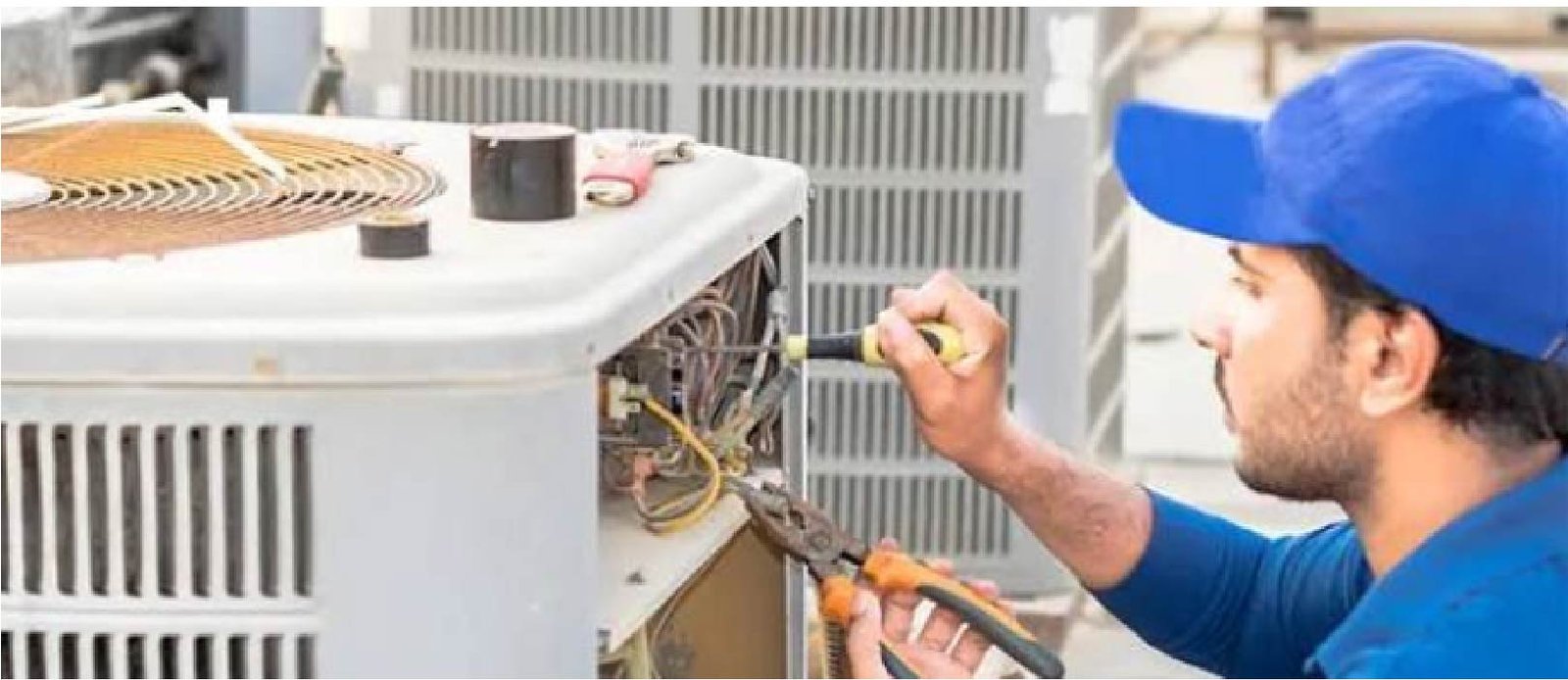
A home’s comfort doesn’t happen by accident. It takes a well-maintained heating and cooling system, a team that actually shows up on time, and service you can trust when the temperature outside is doing its worst. For homeowners who’ve dealt with inconsistent HVAC providers or surprise breakdowns, finding a dependable partner can feel like searching for a needle in a haystack.
That’s exactly the gap that quality HVAC service aims to close. From the first blast of summer heat to the coldest night of winter, your heating and cooling system works harder than almost any other appliance in your home. When it falters, everything from your sleep schedule to your energy bill takes a hit. The good news? With the right maintenance routine and a responsive service team, most HVAC headaches are entirely preventable.
This post breaks down what truly matters when it comes to HVAC performance, why regular maintenance pays for itself, and how choosing the right local provider can transform your home comfort experience from stressful to seamless.
Why HVAC Performance Affects More Than Just Temperature
Most homeowners only think about their HVAC system when something goes wrong. But a properly functioning system does far more than keep rooms at a comfortable temperature. It regulates humidity, filters airborne particles, and keeps energy costs in check. A unit that’s overworked or poorly maintained can quietly drive up utility bills for months before anyone notices the pattern.
Indoor air quality is another often-overlooked factor. Dust, pollen, and other particulates circulate through your ductwork every time your system runs. Clean filters and well-maintained components mean fewer allergens in the air your family breathes. For households with young children, elderly family members, or anyone with respiratory sensitivities, this isn’t a small detail. It’s a daily quality-of-life issue.
Then there’s the financial angle. The U.S. Department of Energy notes that heating and cooling account for nearly half of the typical home’s energy use. A system running at peak efficiency doesn’t just feel better. It costs less to operate, month after month.
What Separates Routine Maintenance From Reactive Repairs
There’s a meaningful difference between fixing a problem after it happens and preventing it in the first place. Reactive repairs tend to be expensive, inconvenient, and often arrive at the worst possible time, think a failed air conditioner during a summer heatwave. Routine maintenance, by contrast, catches small issues before they snowball into costly breakdowns.
A thorough maintenance visit typically includes:
- Inspecting and cleaning coils to maintain efficient heat transfer
- Checking refrigerant levels to prevent compressor strain
- Replacing or cleaning air filters to support airflow and air quality
- Testing thermostat calibration for accurate temperature control
- Inspecting electrical connections and components for wear
Skipping these steps doesn’t just risk a bigger repair bill. It shortens the overall lifespan of the system. Most HVAC units are built to last 15 to 20 years with proper care, but neglect can cut that timeline significantly shorter.
How Often Should You Schedule HVAC Maintenance?
Seasonal timing matters here. Scheduling a tune-up in spring, before the cooling season ramps up, and again in fall, before heating demands increase, gives technicians the chance to catch issues before extreme temperatures put extra strain on the system. Waiting until a unit is already struggling means the repair window shrinks and the costs tend to climb.
Homeowners who stick to a twice-yearly maintenance schedule typically report fewer emergency repairs and more predictable energy bills. It’s a small investment of time that pays dividends in comfort and savings.
Choosing an HVAC Provider You Can Actually Count On
Not all HVAC companies offer the same level of service, and the differences show up in ways that matter. Response time, transparency about pricing, technician expertise, and follow-through on warranty work all separate a great provider from an average one.
When evaluating an HVAC company, consider:
- Licensing and certification: Confirm technicians are properly trained and certified to work on your specific system type.
- Transparent pricing: Clear, upfront quotes prevent unpleasant surprises after the work is done.
- Responsiveness: A provider who answers calls promptly and schedules service quickly makes a real difference during an emergency.
- Local reputation: Reviews and word-of-mouth recommendations from neighbors often reveal more than a polished website ever could.
Experience reliable comfort backed by a team that treats your home like it matters, which is exactly what ECI Comfort delivers to households looking for dependable heating and cooling service they can count on year after year. Rather than treating every visit as a transaction, a provider focused on long-term relationships prioritizes honest assessments, timely repairs, and maintenance plans tailored to each home’s specific needs.
Simple Habits That Extend the Life of Your System
Beyond professional maintenance, a few everyday habits help keep an HVAC system running smoothly between service visits:
- Replace air filters every one to three months, depending on usage and household factors like pets or allergies.
- Keep outdoor units clear of debris, leaves, and overgrown vegetation.
- Use a programmable or smart thermostat to reduce unnecessary strain during peak hours.
- Keep vents and registers unblocked by furniture or rugs to maintain proper airflow.
These small steps won’t replace professional service, but they do reduce wear and help technicians spot issues sooner when they do visit.
Making Comfort a Priority, Not an Afterthought
HVAC systems rarely get the attention they deserve until something breaks. But comfort, efficiency, and air quality all hinge on a system that’s properly maintained and professionally serviced. Waiting for a breakdown to take action usually means higher costs and more disruption than a proactive approach ever would.
Whether it’s scheduling a seasonal tune-up, researching replacement options for an aging unit, or simply understanding what good HVAC service should look like, taking that first step now sets the stage for a more comfortable home all year long. The sooner good habits and reliable service become part of the routine, the less likely a minor issue is to turn into a major, expensive problem.
