

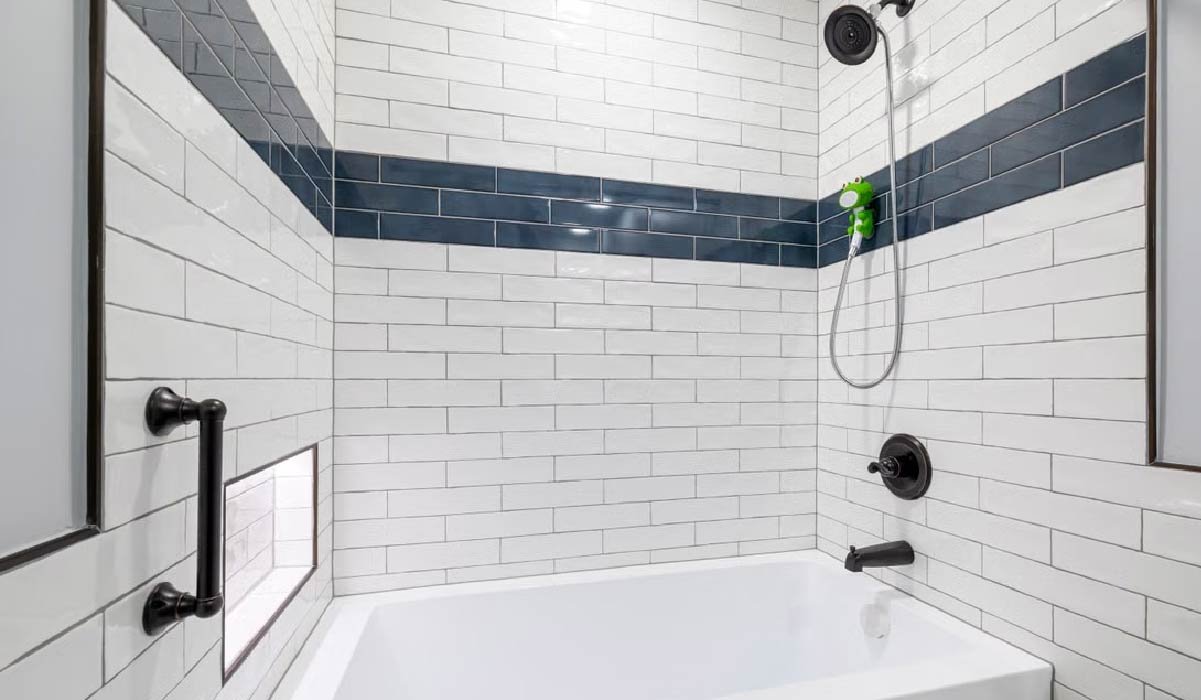
A bathtub is easy to overlook until a crack spreads or water appears unexpectedly. In Tampa, Florida, humid conditions make persistent bathroom moisture especially worth investigating. But a stained finish and a leaking fixture are very different problems. Some tubs need only careful repairs; others are becoming unsafe, inconvenient, or costly to maintain. The decision begins with identifying the failure, inspecting nearby surfaces, and weighing repair against replacement.
Separate Cosmetic Wear From Real Damage
A faded finish, shallow scratch, or small surface chip does not automatically justify removing a bathtub. Depending on the material and extent of damage, professional refinishing or a localized repair may restore its appearance. First, determine whether damage is superficial or structural.
A crack that opens when someone stands inside the tub, a soft base, or repeated water seepage deserves closer inspection. Damage near the drain or along the joint with the wall can be particularly troublesome because water may escape without producing an obvious puddle.
A bathtub with deep cracks, recurring leaks, or a weakened base may need more than a simple surface repair. Homeowners can consult a company specializing in tub replacement in Tampa, FL to assess the damage and determine whether installing a new bathtub is the better long-term solution. Professional assessment can also reveal hidden moisture damage, plumbing issues, and deteriorating materials that should be addressed before replacement begins.
Understand What Repeated Repairs Really Cost
An isolated repair may be inexpensive compared with installing a new bathtub. Problems arise when the same crack returns, caulking repeatedly fails, or workers must remove surrounding finishes each time they investigate a leak.
Keep a record of past repairs and their costs. Include work on the drain, supply connections, flooring, and wall surround, not merely repairs to the tub itself. A replacement estimate should cover removal, plumbing, waterproofing, and finishing.
Do not rely on a fixed rule based on the tub’s age. An older tub may be sound, while a newer one could have defects. Compare the likelihood of another failure with the actual price of fixing the cause.
Look for Trouble Beyond the Tub
Bathrooms handle splashes, but water should not accumulate behind walls or beneath floors. Persistent musty odors, swollen trim, loose tile, and staining in adjacent rooms may indicate a leak that reaches farther than the tub’s visible edge.
Promptly fixing water leaks and controlling indoor moisture helps limit damage to building materials. Ventilation also matters: bathroom exhaust fans should discharge outdoors rather than into concealed cavities.
Identify and correct moisture damage before installing replacement finishes. A new bathtub can conceal an unresolved problem just as easily as an old one. Have damaged supporting materials inspected and repaired when necessary.
Put Safety Ahead of Appearance
A bathtub can remain watertight while becoming awkward or unsafe to use. High sidewalls may be difficult to step over, especially for someone with reduced balance or mobility. Worn traction surfaces can also make bathing uncomfortable and increase the likelihood of slipping.
A remodel allows safer entry, suitable flooring, secure handholds, and improved lighting. Adding grab bars in and around the bathing area is one practical way to reduce fall hazards for older adults. Installation must account for proper mounting and support.
Consider current and future users. Replacing an inconvenient design can be justified even when its finish is still attractive.
Decide Whether the Current Layout Still Works
Sometimes the problem is not deterioration at all. A deep soaking tub may consume valuable space in a bathroom where everyone prefers showers. Another fixture might be too narrow for comfortable use or positioned so awkwardly that cleaning becomes difficult.
Before choosing an identical model, measure clearances around other fixtures. Think about storage, shower access, and how the fixture will be used on an ordinary weekday.
Changing dimensions or switching from a tub to a shower can affect drain placement, waterproofing, and applicable building requirements. These alterations may cost substantially more than a straightforward replacement. A realistic plan balances convenience with what the room can accommodate.
Choose Materials for Everyday Maintenance
Replacement tubs come in different materials, each with trade-offs. Acrylic is relatively lightweight and available in varied shapes, though its surface can scratch. Enameled steel may be economical but can chip, while cast iron is heavy and may require additional handling during installation.
Ask how each material handles cleaning and impacts. Confirm that the surrounding structure can support the unit and that access for future plumbing repairs has been considered.
The most expensive choice is not necessarily the best fit. A simple design that is comfortable, repairable, and easy to maintain may serve the household better than an elaborate model with features nobody regularly uses.
Make the Replacement Scope Clear
Replacing a bathtub involves more than swapping fixtures. Contractors may need to open the surround, inspect framing, adjust plumbing, and install new waterproofing before finishing the walls.
Request a written estimate describing what is included and how hidden damage will be priced. Ask about permits where required, project duration, access to another bathroom, and whether workmanship is covered separately from the product warranty.
If other fixture changes are recommended, ask why. Clear explanations make it easier to separate genuine repairs from optional improvements. Take photographs and retain records for future maintenance.
Think About the Bathroom You Want to Keep
The best decision comes from the condition of the tub and the everyday needs of the household. A small chip may justify a minor repair. A leaking, unstable base or an uncomfortable configuration may make replacement more sensible.
Avoid buying a new fixture solely because an older one looks unfashionable. Equally, do not keep paying for temporary repairs when water damage or safety issues remain unresolved. Inspect the full bathing area, compare the work honestly, and plan for finishes that can withstand regular use.
A good replacement should make the bathroom easier to live with, not simply prettier for the first photograph. Check whether the installation also improves cleaning access, drainage, and everyday movement; these small practical details can matter more than a costly decorative finish. Reliability and comfort matter long afterward.
