

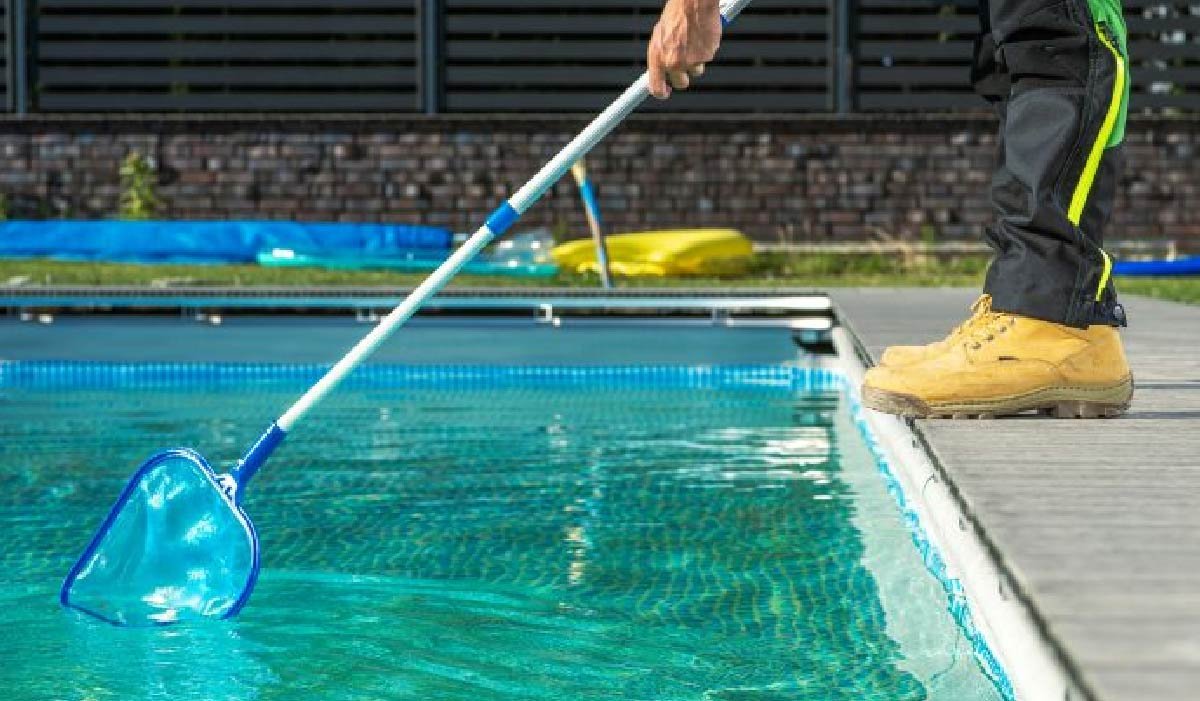
A swimming pool creates a welcoming space for relaxation, exercise, and entertainment, but keeping it clean requires more than removing leaves from the surface or occasionally adding treatment chemicals. Dust, sunscreen, body oils, insects, and other contaminants enter the water every day, gradually affecting its appearance and overall condition. Without consistent attention, debris can accumulate, filtration systems may become less effective, and algae can begin developing along pool walls and floors. Professional pool cleaning service helps property owners maintain cleaner water and a more inviting swimming environment through scheduled cleaning, appropriate water testing, debris removal, and routine equipment inspections. A structured maintenance approach also helps identify early warning signs before they develop into larger problems that require extensive corrective work. By combining regular cleaning with effective water circulation and balanced chemistry, pool owners can preserve their investment, support swimmer comfort, and reduce unnecessary maintenance expenses. Consistent care makes it easier to enjoy a swimming pool without allowing everyday contaminants and neglected maintenance tasks to interfere with its performance.
Why Consistent Pool Cleaning Makes a Difference
A swimming pool is continuously exposed to environmental contaminants and the effects of regular use, which makes consistent cleaning essential for maintaining its condition. Leaves, pollen, dust, insects, and other debris may enter the water from surrounding areas, while swimmers introduce sunscreen, perspiration, body oils, and personal-care products. These materials can collect on the water’s surface, settle on the pool floor, or accumulate inside filtration equipment. A professional pool cleaning service addresses these concerns through a planned routine that includes skimming, brushing, vacuuming, and cleaning accessible baskets and filters. Regular attention helps prevent debris from accumulating and supports more effective circulation throughout the pool. It also gives technicians an opportunity to notice changes in water clarity, unusual odors, visible algae, or equipment performance. These observations can help identify maintenance needs before the pool becomes difficult to manage. Consistent cleaning is particularly important for pools that receive frequent use or are surrounded by trees and landscaping. Maintaining a dependable schedule helps preserve the pool’s appearance and creates a more comfortable environment for everyone who uses it.
Removing Leaves, Dust, and Floating Debris
Floating debris is often the first sign that a swimming pool needs attention, but visible materials represent only part of the cleaning process. Leaves, insects, pollen, and dust can collect around skimmers, gather near corners, and eventually sink to the bottom if they are not removed promptly. As organic debris breaks down, it may contribute to additional contamination and increase the workload placed on the filtration system. A reliable pool cleaning service includes surface skimming and the removal of accumulated debris before it creates more complicated maintenance problems. Cleaning skimmer baskets is equally important because restricted baskets can interfere with water flow and reduce circulation efficiency. Pools located near trees, gardens, or exposed outdoor spaces may require more frequent skimming, especially after windy weather or heavy rainfall. Owners should also pay attention to debris collecting around steps, ladders, and other areas where material can become trapped. Regular removal improves the pool’s appearance and helps prevent unnecessary contamination. By maintaining clean surfaces and accessible circulation components, pool owners can reduce the amount of intensive cleaning required later.
Maintaining Clear Water Through Proper Filtration
Filtration is one of the most important elements of swimming pool cleanliness because it removes suspended particles that ordinary skimming cannot capture. Water passes through a filter that traps debris before returning to the pool, helping maintain a cleaner and more attractive swimming environment. However, filters gradually accumulate material and require maintenance to operate effectively. When a filter becomes excessively dirty or damaged, water circulation may decline and visible cloudiness may develop. A professional pool cleaning service includes monitoring filtration performance, checking accessible equipment, and maintaining filters according to the manufacturer’s instructions. Sand, cartridge, and diatomaceous earth filtration systems have different maintenance requirements, so the correct procedure depends on the equipment installed. Cleaning or backwashing at appropriate intervals helps restore performance, while damaged components may need replacement. Pool owners should avoid relying only on the water’s appearance to determine whether filtration is working correctly. Pressure readings, circulation strength, and equipment behavior can provide additional information about the system’s condition. Consistent filter maintenance supports clearer water, improves circulation, and reduces unnecessary strain on pool equipment.
Keeping Pool Water Chemically Balanced
Clean water must also be properly treated to help control microorganisms and maintain suitable swimming conditions. Even a pool that looks sparkling may have chemical levels that require adjustment. Sanitizers such as chlorine help control harmful microorganisms, while pH and alkalinity influence sanitizer effectiveness and the interaction between water, equipment, and pool surfaces. A professional pool cleaning service should include appropriate water testing and adjustments based on measured conditions rather than assumptions. Chemical requirements can change with temperature, rainfall, swimmer activity, and the amount of fresh water added to the pool. Testing at suitable intervals helps identify imbalances before they contribute to irritation, algae growth, or equipment deterioration. Pool owners should follow chemical product labels carefully, use the recommended protective measures, and store treatment products securely. Different chemicals should never be mixed directly unless the manufacturer explicitly permits the procedure. Maintaining appropriate water chemistry complements physical cleaning by addressing contaminants that filters and skimmers cannot remove independently. When cleaning and water treatment work together, the pool is easier to maintain and more likely to remain suitable for regular swimming.
Brushing Pool Walls, Steps, and Floors
Some contaminants cling to pool surfaces instead of remaining suspended in the water, making brushing an essential part of an effective cleaning routine. Fine dust, organic residue, and early algae growth can accumulate along walls, steps, corners, and other areas where water movement is limited. If these materials are left undisturbed, they may become more difficult to remove and contribute to staining or recurring water-quality problems. A thorough pool cleaning service includes brushing surfaces with equipment suitable for the pool’s construction. Concrete, plaster, vinyl, and fiberglass surfaces have different requirements, so brush selection should account for the material and the manufacturer’s recommendations. Brushing helps loosen attached particles so that the filtration system or vacuum can remove them more effectively. Special attention should be given to corners, around ladders, behind steps, and near return fittings where debris may collect. Pool owners should also inspect surfaces for rough areas, cracks, or damaged finishes that could require repair rather than ordinary cleaning. Regular brushing improves the overall appearance of the pool and helps prevent contaminants from accumulating in hard-to-reach areas.
Preventing Algae and Slippery Pool Surfaces
Algae growth can quickly affect a swimming pool’s appearance and usability, especially when sanitation, circulation, or filtration becomes inadequate. Depending on the type of algae and the severity of the problem, the water may become green or cloudy, while walls and steps may develop slippery deposits. Warm conditions, accumulated debris, and inconsistent chemical treatment can increase the likelihood of growth. A preventive pool cleaning service combines surface brushing, debris removal, water testing, and filtration checks to reduce the conditions that allow algae to develop. Maintaining appropriate sanitizer levels is important, but chemical treatment alone may not solve a recurring problem if circulation remains weak or surfaces are not cleaned properly. When algae appears, the treatment should be based on the pool’s condition and measured water chemistry. Product directions must be followed carefully, and swimmers should stay out of the water until treatment is complete and the pool has been confirmed suitable for use. Repeated algae growth may indicate an underlying maintenance or equipment issue that needs further investigation. Consistent preventive care is generally more manageable than waiting until algae spreads throughout the pool.
Cleaning Pool Tiles and Managing Surface Deposits
Pool tiles and waterline surfaces can gradually develop visible deposits from minerals, body oils, sunscreen, and other materials that collect where the water meets the pool wall. These marks may make an otherwise clean pool look neglected, particularly when buildup becomes thick or discolored. The correct cleaning approach depends on the type of tile, the material underneath it, and the nature of the deposit. A professional pool cleaning service can evaluate the affected surface and select an appropriate cleaning method that removes buildup without unnecessarily damaging the finish. Gentle brushing and suitable cleaning products may be sufficient for routine maintenance, while stubborn mineral deposits may require specialized treatment. Abrasive tools and unsuitable chemicals should be avoided because they can scratch tiles, damage grout, or affect surrounding surfaces. Regular cleaning helps prevent deposits from becoming difficult to remove and keeps the waterline looking more attractive. Owners should also monitor cracked tiles, deteriorating grout, and loose sections because these conditions may require repair rather than cleaning. Maintaining the tile line contributes to the pool’s overall appearance and supports a more polished outdoor environment.
Vacuuming the Pool Floor for Deeper Cleaning
Although skimming removes floating debris, heavier particles eventually settle on the pool floor and require a different cleaning method. Sand, dirt, small leaves, and other contaminants can accumulate in corners, along walls, and around drains. If these materials remain in place, they may be disturbed by swimmers and make the water appear cloudy. A professional pool cleaning service uses suitable vacuuming equipment to remove settled debris while taking the pool’s surface and filtration system into account. Depending on the installation, cleaning may involve a manual vacuum, an automatic cleaner, or a robotic unit. Each option has different operating requirements and capabilities, so the most appropriate choice depends on the pool’s shape, surface, and cleaning needs. Vacuuming should be performed carefully to avoid damaging liners or disturbing delicate finishes. Owners should also ensure that the equipment is maintained correctly and that collected debris is disposed of appropriately. Combining vacuuming with brushing and filtration maintenance helps remove contaminants from multiple areas of the pool. This comprehensive approach supports cleaner water and reduces the amount of debris that remains after routine surface cleaning.
Caring for Pool Pumps and Circulation Equipment
A swimming pool’s cleanliness depends heavily on equipment that circulates water and carries contaminants toward the filtration system. Pumps, skimmers, return fittings, and associated plumbing must operate effectively to distribute treated water throughout the pool. If circulation becomes weak, debris may accumulate in certain areas and chemical treatment may become less consistent. A complete pool cleaning service should include observing circulation performance and identifying visible warning signs such as unusual noises, air bubbles, reduced return flow, or leaks around accessible connections. Skimmer baskets and pump baskets should be kept clear so that debris does not unnecessarily restrict water movement. Filters also need appropriate maintenance to prevent excessive pressure or reduced performance. More complex mechanical and electrical work should be handled by qualified professionals rather than attempted without the necessary training. Pool owners should follow manufacturer recommendations for equipment operation and maintenance intervals because requirements vary between systems. Keeping circulation equipment in good condition supports filtration, helps distribute chemicals, and reduces the risk of avoidable mechanical problems. Regular observation allows developing issues to be investigated before they significantly affect water quality.
Adjusting Cleaning Frequency to Pool Usage
Not every swimming pool requires the same cleaning schedule. A pool used occasionally by a small household may collect contaminants at a different rate than a shared pool used throughout the day. Heavy swimming activity introduces additional body oils, sunscreen, hair, and other materials, while frequent use can increase the demand on filtration and sanitation systems. A professional pool cleaning service can help establish a schedule that reflects the pool’s size, equipment, surroundings, and expected usage. Pools exposed to trees or wind may need frequent skimming, while heavily used pools may benefit from closer monitoring of water chemistry and filtration performance. Cleaning frequency may also need to change after parties, storms, or other events that introduce additional debris. Owners should monitor water clarity and equipment performance rather than relying entirely on a fixed calendar. A flexible maintenance schedule helps direct attention where it is most needed without overlooking essential tasks. This approach can improve cleaning efficiency, support better water quality, and make ongoing maintenance more practical for busy households and property managers.
Maintaining Pool Cleanliness After Rain and Wind
Weather can introduce additional contaminants into an outdoor swimming pool and create temporary changes in water quality. Wind may carry leaves, pollen, dust, and small branches into the water, while rainfall can introduce debris and influence chemical balance. After severe weather, organic material may collect in skimmer baskets, filters, and corners where water movement is weaker. A timely pool cleaning service can help restore cleanliness through debris removal, brushing, vacuuming, filtration checks, and appropriate water testing. Pool owners should also inspect the surrounding deck and landscaping because dirt washed toward the pool can increase the cleaning workload. Heavy rainfall may affect water levels and chemical concentrations, so testing should guide any necessary adjustments. Electrical equipment should never be handled in unsafe wet conditions, and any visible damage to lighting or electrical components should be assessed by a qualified professional. Prompt post-weather maintenance helps prevent debris from breaking down in the water and reduces the chance of recurring algae or cloudiness. A pool that receives consistent attention after environmental changes is generally easier to maintain than one left untreated until visible problems develop.
Recognizing When Professional Cleaning Is Needed
Some pool maintenance tasks can be completed by owners, but certain situations benefit from professional attention. Persistent cloudy water, recurring algae, unusual odors, heavy staining, and filtration problems may indicate conditions that require more than ordinary cleaning. A professional pool cleaning service can assess these symptoms, test the water, inspect accessible equipment, and recommend a suitable course of action. This is especially helpful when previous cleaning efforts have not resolved the issue or when the underlying cause is unclear. For example, repeated cloudiness may result from poor filtration, incorrect chemical balance, or excessive contaminants, and each cause requires a different response. Attempting random chemical adjustments may waste products and create further imbalance. Professionals can also identify when a problem involves a damaged component or a leak that requires a separate repair. Pool owners should ask for a clear explanation of the work recommended and any follow-up steps needed to maintain the results. Appropriate professional support helps restore pool cleanliness more effectively and reduces the risk of repeated problems caused by incomplete treatment.
Building a Practical Pool Cleaning Budget
A maintenance budget helps pool owners plan for routine cleaning, water treatment, equipment care, and occasional corrective work. Expenses vary according to pool size, cleaning frequency, equipment type, environmental exposure, and the level of service required. A regular pool cleaning service arrangement may provide more predictable maintenance costs by establishing a consistent schedule for essential tasks. Owners should understand what the service includes, such as skimming, brushing, vacuuming, water testing, chemical adjustments, and filter maintenance. Some services may charge separately for replacement parts, specialized cleaning, or major repairs, so clear expectations are important. Keeping records of service visits and previous maintenance also helps owners identify recurring expenses and plan for future needs. Choosing the lowest-priced option is not always the best approach if important tasks are excluded or cleaning quality is inconsistent. At the same time, owners should avoid paying for unnecessary treatments or equipment upgrades that do not address their actual needs. A balanced budget focuses on reliable cleaning, appropriate water care, and early identification of problems. This approach can help maintain the pool while making expenses easier to manage over time.
Choosing a Reliable Pool Cleaning Provider
Selecting a suitable maintenance provider is important for owners who want consistent results without handling every task themselves. A dependable provider should understand pool cleaning methods, water chemistry, filtration equipment, and the maintenance needs associated with different pool surfaces. Before choosing a company, owners should ask about the cleaning schedule, including tasks, chemical handling practices, equipment checks, and how unexpected problems are reported. A professional pool cleaning service should also communicate clearly when the pool requires additional attention beyond routine maintenance. Written service details can help prevent misunderstandings about cleaning frequency, pricing, and responsibilities. Owners may also wish to keep records of completed visits and any recommendations for future work. Pools used by communities, residential developments, or commercial properties may require a more structured arrangement because consistent maintenance becomes especially important when many people use the facility. Triad Pool Management is a relevant resource for property owners exploring professional pool management and maintenance solutions. Selecting a provider whose services match the pool’s needs can make maintenance more consistent and help preserve a clean, welcoming environment.
Conclusion
A clean swimming pool depends on a combination of regular debris removal, effective filtration, balanced water chemistry, surface cleaning, and proper equipment care. Although visible cleanliness is important, maintaining the pool also requires attention to the systems and conditions that influence water quality behind the scenes. A dependable pool cleaning service helps bring these responsibilities together through scheduled cleaning, water testing, preventive inspections, and appropriate maintenance recommendations. Pool owners can support these efforts by monitoring water clarity, keeping surrounding areas tidy, following chemical safety instructions, and addressing unusual changes promptly. Adjusting cleaning frequency to pool usage and weather conditions also helps maintain more consistent results throughout the year. When professional support is needed, choosing a provider with clear service procedures and relevant experience can make pool care easier to manage. With a practical maintenance schedule and consistent attention to essential cleaning tasks, owners can preserve the pool’s appearance, reduce avoidable problems, and create a more inviting swimming environment for family members, guests, and other users.
