

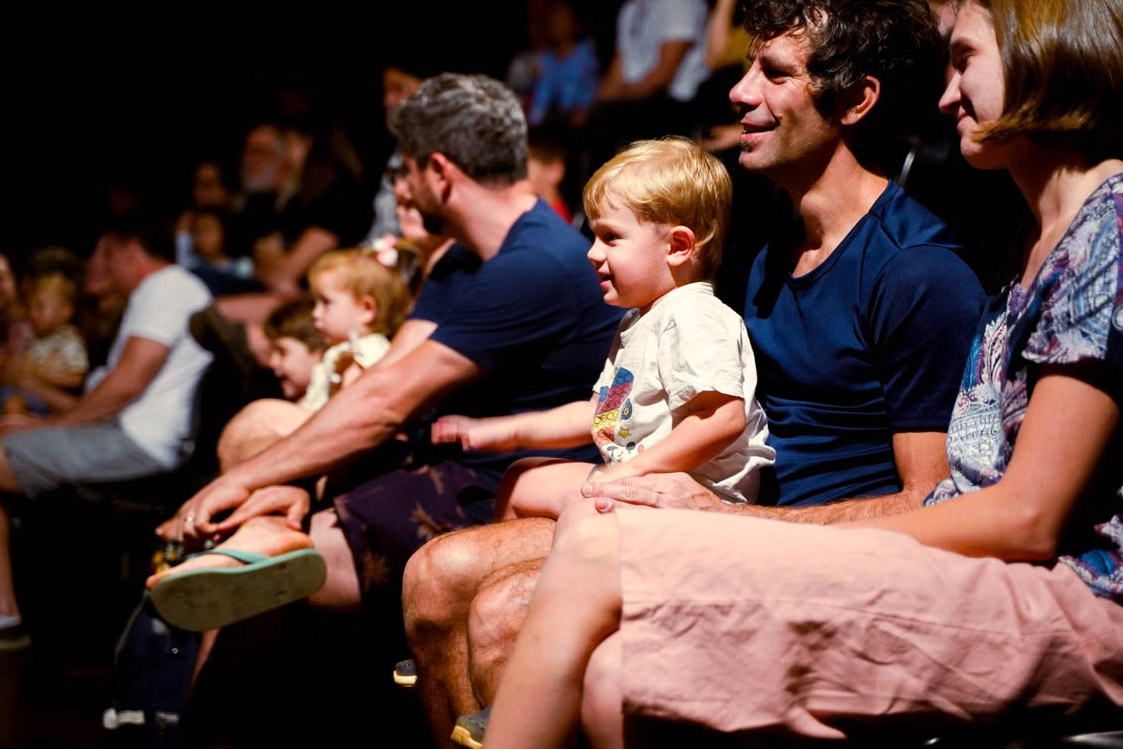
For children surrounded by constant entertainment, a live performance offers something surprisingly different: a story unfolding in the same room, without a pause button. Orlando, Florida, had an estimated 333,888 residents in 2025, and families in a community of that size have plenty of ways to spend an afternoon. Yet theater offers more than another outing. It gives young audiences a chance to observe emotions, follow unfamiliar perspectives, and share an experience that continues long after the final scene.
Discover What Happens When Attention Has Room to Grow
A performance asks children to follow a story as it happens. There are no rewind buttons or suggested videos competing for the next click. Actors establish the setting through dialogue, movement, lighting, and sound, inviting the audience to notice details that might otherwise slip past.
That does not mean one visit will permanently improve anyone’s attention span. It simply creates an opportunity to practice sustained engagement in an enjoyable setting. A younger child may become fascinated by a character’s costume or voice, while an older student notices subtle changes in relationships. Both are learning to watch with curiosity rather than waiting for the next distraction.
See How Storytelling Builds Everyday Communication
Communication involves more than choosing the correct words. Tone, timing, listening, and physical expression affect how a message is understood. A play brings these elements together, making them easier to notice.
Young viewers may begin recognizing why one character’s apology sounds sincere while another’s does not. Teens might notice how silence changes a conversation or how a confident speaker keeps an audience engaged. Those observations can open discussions about school presentations, friendships, and group work.
For families seeking a family theater in Orlando, the most useful choice is a production that respects its intended audience and invites genuine engagement. Look for clear age guidance, a compelling story, and themes that give children something to think about without turning entertainment into a lecture.
Watch Characters Make Difficult Feelings Understandable
Children do not always have the vocabulary to explain disappointment, jealousy, grief, or nervous excitement. Onstage, these feelings take visible form through expressions, pauses, decisions, and conversations. A character might make a mistake, struggle to apologize, or find the courage to speak up.
Watching does not automatically teach empathy, but it can give families a starting point for discussing other people’s experiences. Instead of demanding a lesson from the story, ask what a character might have been thinking at a difficult moment. Sometimes the most revealing answer is completely different from what an adult expected.
Theater lets audiences encounter unfamiliar viewpoints while remaining safely outside the conflict themselves.
Make Space for Empathy Without Forcing a Lesson
The strongest stories rarely divide everyone into obvious heroes and villains. They present people with conflicting needs, awkward decisions, and consequences that take time to understand. Children watching those situations can consider why two characters experience the same event differently.
Research into the relationship between theater participation and children’s emotional development explores how drama activities can support perspective-taking and empathy. Participation in theater classes is different from attending a performance, so it would be misleading to promise identical benefits from a single outing. Still, watching a play can encourage meaningful questions about motives and feelings.
Allow room for disagreement. A child who sympathizes with an unexpected character may be noticing something worth discussing.
Turn the Journey Home Into a Conversation
Family outings often end with everyone tired and ready for dinner. Theater can offer a natural topic for the ride home, particularly when the story includes a surprising choice or an unresolved question.
Keep the conversation informal. Ask which moment was funniest, whether the ending felt satisfying, or what someone would have done differently. Younger children may prefer to act out a favorite scene; teenagers may have stronger opinions about whether a character behaved fairly.
There is no need to quiz anyone on themes or symbolism. When adults listen without correcting every interpretation, the discussion becomes part of the shared experience. Sometimes a brief observation at breakfast the next day reveals that the story stayed with a child longer than expected.
Notice the Connection Between Performance and Learning
Following a play involves tracking characters, recalling earlier events, and making sense of decisions. Those habits overlap with skills children use when reading fiction and discussing stories at school. A staged adaptation can also make an unfamiliar book feel approachable.
Evidence from research on arts-related school field trips suggests that repeated exposure to cultural experiences may have educational and social benefits. Such findings should not be stretched into a guarantee that attending one show will improve grades. Instead, they offer a reason to value arts experiences as one part of a broader education.
The immediate reward remains simpler: children get to enjoy a story and discover new ways of understanding it.
Give Young People a Glimpse Behind the Performance
A finished production depends on far more people than the actors standing beneath the lights. Writers, designers, musicians, stage managers, technicians, and directors all contribute to what the audience sees.
For a child interested in drawing or building things, scenery and costumes may be especially exciting. A teen who enjoys organizing projects might be intrigued by what happens backstage. Conversations about these roles broaden the idea of creativity beyond being the person receiving applause.
If a theater offers an appropriate talkback or educational activity, it can provide a closer look at the teamwork involved. Even without one, noticing the set changes and sound effects can spark curiosity about how the production works.
Choose a Show That Invites Everyone In
A successful first visit starts with realistic expectations. Check the recommended ages, running time, sensory information when available, and whether the subject matter suits your child. Explain that audiences usually stay seated and respond without interrupting the performers.
Some children love a lively musical; others connect better with a quiet story. Neither reaction is a measure of intelligence or maturity. The goal is to find an experience that feels welcoming rather than overwhelming.
Live theater does not need to transform a child’s future to be worthwhile. It can create an afternoon of attention, laughter, questions, and shared discovery. That is already a meaningful contribution to growing up.
