

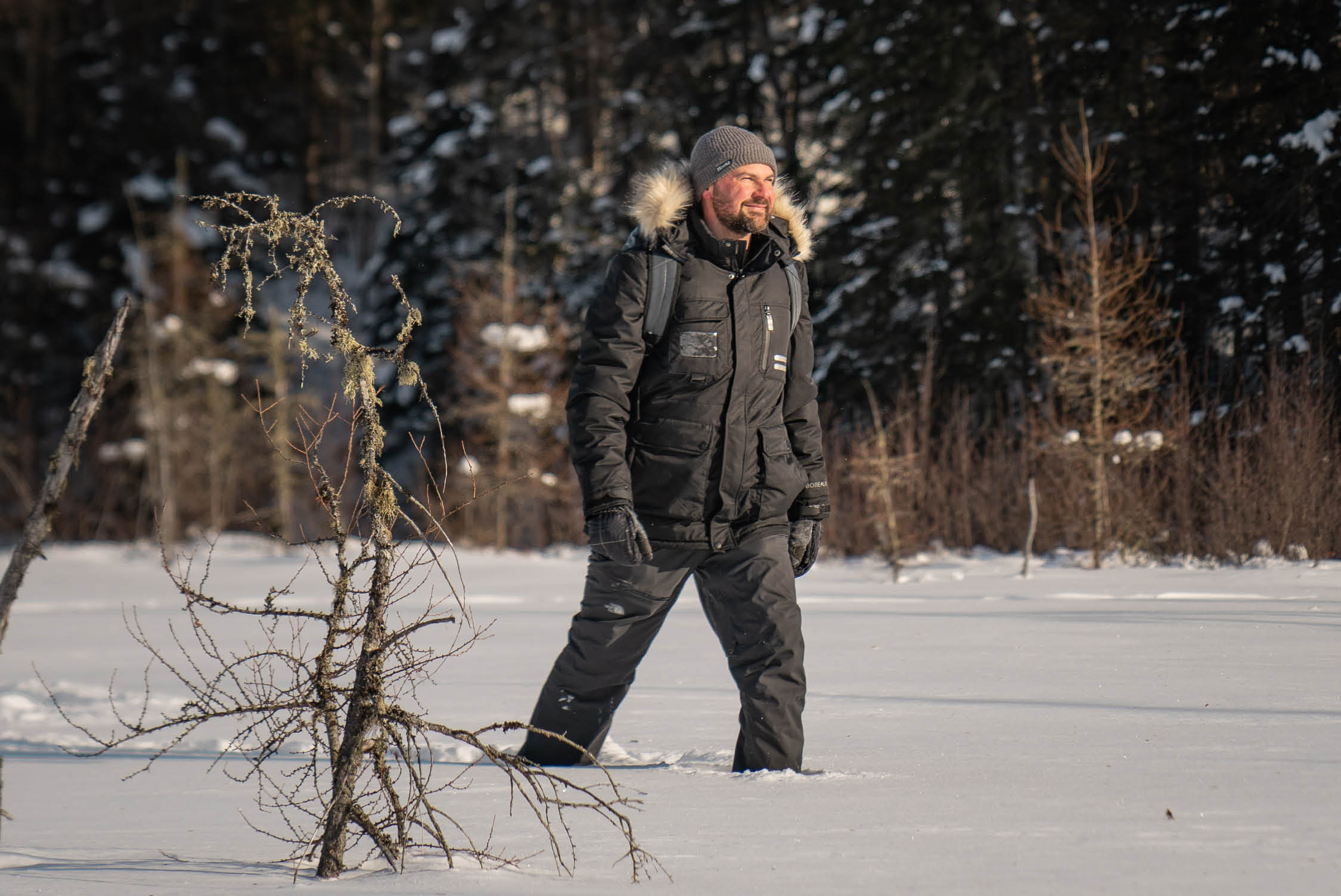
Fall and winter rarely mean one type of activity. The same week can include a cold morning commute, a weekend hike, a holiday gathering, and a night out that calls for something a little sharper. Buying a separate jacket for each of those moments gets expensive fast, and most closets don’t have room for five specialized pieces anyway.
The better approach is choosing outerwear built to flex across that range, rather than optimized for a single scenario. A genuinely versatile jacket handles a cold walk to work just as well as a weekend outdoors, without looking out of place at either one. This article breaks down what to actually look for so one or two well-chosen pieces can carry you through the entire season.
Start With the Temperature Range You Actually Face
Before thinking about style or brand, it helps to be honest about the real temperature swing in a typical fall or winter week. Someone in a mild coastal climate has very different needs than someone dealing with regular snow and sub-freezing mornings.
A few questions worth answering first:
- What’s the coldest temperature you’ll realistically be outside in for more than a few minutes?
- Do you need a jacket for brief exposure, like walking to a car, or extended time outdoors?
- How much does the temperature typically shift between morning and afternoon in your area?
These answers narrow down whether you need heavy insulation, a mid-weight jacket, or something closer to a lined shell, before a single style decision gets made.
Layer Compatibility Is What Makes a Jacket Versatile
The single biggest factor in versatility is whether a jacket works with different combinations underneath it. A jacket that only fits over a thin shirt becomes useless the moment temperatures drop further, while one that’s too bulky to layer at all limits what you can wear on milder days.
Look for:
- A cut with enough room through the chest and shoulders to fit a sweater or light fleece underneath
- Sleeves that aren’t too tapered to accommodate another layer
- A closure system (zipper, snaps, or buttons) that still seals properly even with extra bulk underneath
A jacket that adapts to layering essentially doubles as multiple jackets, since it can be worn on its own in early fall and over heavier layers by the coldest part of winter.
Materials That Perform Across the Season
Fall and winter cover a wide range of conditions, so the material needs to hold up through more than just one type of weather.
Leather
Leather remains one of the most reliable choices for versatility across fall and winter. It blocks wind effectively, holds up to light rain or snow flurries, and looks equally appropriate for a casual weekend or a slightly dressed-up evening. A well-built leather jacket with hood extends that versatility further, adding coverage for wetter or windier days without needing a separate rain shell.
Wool and Wool Blends
Wool offers excellent warmth relative to its weight and tends to look polished enough for both casual and slightly formal settings, making it a strong choice for anyone who needs one jacket to move between weekday and weekend use.
Insulated Technical Shells
For more demanding outdoor activities, like hiking or extended time outside in genuinely cold weather, an insulated technical shell offers protection that leather or wool alone can’t match, though usually at the cost of everyday styling flexibility.
Fit Considerations for Multi-Purpose Wear
A jacket meant to handle several different activities needs a fit that doesn’t feel wrong in any of them. Something cut for a slim, city-focused look might restrict movement on a hike, while a roomier outdoor cut can look sloppy in a more casual social setting.
A few fit details worth checking:
- A length that hits at a versatile point, not too short for cold-weather coverage, not so long it interferes with movement
- A silhouette that isn’t overly fitted or overly boxy, since either extreme limits how many settings it works in
- Enough room in the sleeves and shoulders to move freely, whether you’re walking, driving, or reaching overhead
Trying a jacket on with the kinds of layers you’d actually wear underneath, rather than just a T-shirt, gives a much more accurate sense of whether the fit will hold up across the season.
Practical Features Worth Prioritizing
A few functional details separate genuinely versatile outerwear from pieces that only work in ideal conditions:
- Interior pockets that keep essentials secure during more active days
- A collar or hood that adds protection without requiring a separate accessory
- Reinforced stitching at stress points, since a jacket used across many activities takes more wear than one reserved for a single purpose
These details rarely stand out at first glance, but they’re often what determines whether a jacket still performs well after a full season of mixed use.
Making One or Two Jackets Cover the Whole Season
Rather than buying a jacket for every possible fall or winter scenario, it usually makes more sense to build around one highly versatile piece, like a well-made leather jacket, and one specialized piece for extreme cold or heavy outdoor activity. This mirrors the same logic often applied to broader wardrobe planning: fewer, well-chosen pieces tend to get more consistent use than a larger collection of narrowly specific ones.
Consumer research on outerwear use throughout the colder months tends to support this approach as well, showing that people report higher satisfaction and better long-term value from jackets that see regular use across multiple settings, compared to pieces bought for a single trip or occasion and rarely worn afterward.
FAQ
FAQ 1: What’s the most important factor in versatile fall and winter outerwear? Layer compatibility. A jacket that fits comfortably over different combinations of clothing underneath will adapt to a much wider range of temperatures and activities.
FAQ 2: Is leather a practical choice for winter activities?
Yes, especially for everyday activities and milder winter conditions. Leather blocks wind well and holds up to light precipitation, though very heavy snow or extreme cold may call for additional insulation.
FAQ 3: Should I buy one jacket or several for the season?
For most people, one versatile jacket plus one specialized piece for extreme conditions covers the season well, without the cost or clutter of several single-purpose jackets.
FAQ 4: How do I know if a jacket fits well for layering?
Try it on over the heaviest layer you’d realistically wear underneath. If it still moves freely through the shoulders and closes properly, it will likely layer well across the season.
FAQ 5: What details should I prioritize besides warmth?
Secure interior pockets, a functional collar or hood, and reinforced stitching at high-wear points all matter more over a full season of regular use than they might seem at first glance.
Conclusion
Versatile fall and winter outerwear isn’t about finding one jacket that does absolutely everything perfectly. It’s about choosing pieces that adapt to layering, hold up across a range of conditions, and fit into more than one part of your routine. A little extra thought at the buying stage saves both closet space and money, and it means reaching for the same reliable jacket no matter what the week actually looks like.
