

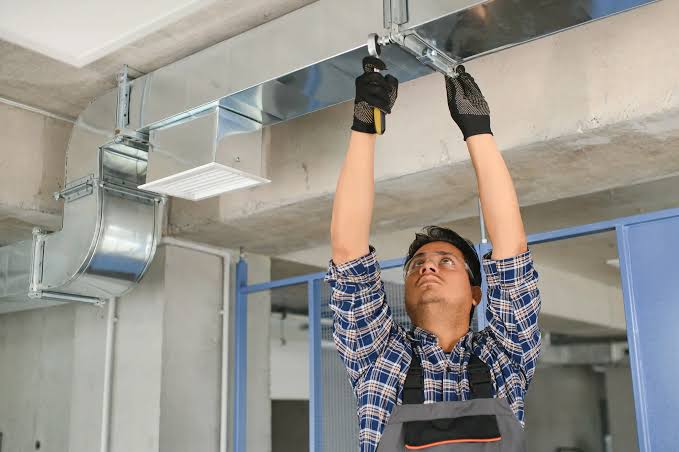
Summer in Phoenix pushes air conditioners close to their limits. When outdoor temperatures soar, any weak point in the system can quickly appear as hot rooms, tripped breakers, or higher utility bills. Many problems trace back to the same root causes: rule-of-thumb sizing, restricted airflow, extremely hot attics, and neglected maintenance. The good news is that a few technical checks and practical upgrades can make a measurable difference. Proper load calculations, airtight ductwork, balanced airflow, and routine maintenance can help preserve cooling capacity when your home needs it most.
-
Load Calculation Beats Rule of Thumb Sizing in the Desert
The correct equipment size starts with a Manual J load calculation rather than a guess. Phoenix homes vary widely in window area and orientation, masonry versus framed walls, insulation levels, roof color, and duct location. All of these factors affect the sensible cooling load. Oversized equipment can cycle on and off too frequently, which may reduce moisture removal during monsoon season, increase wear on the compressor and contactor, and contribute to uneven room temperatures. Undersized equipment may run almost continuously during extreme heat and struggle to maintain the desired indoor temperature. If your home has large west-facing windows or poorly insulated block walls, ask a local Phoenix Air conditioning contractor to account for these factors before recommending replacement equipment.
-
Airflow, Static Pressure, and Duct Leaks That Reduce Capacity
Cooling performance depends on moving the proper volume of air across the evaporator coil. Residential systems often operate within an airflow range of roughly 350 to 400 cubic feet per minute per ton, although the appropriate target depends on equipment design, climate conditions, and humidity control needs. High total external static pressure, compressed flexible ductwork, undersized return ducts, and closed interior doors can all restrict airflow. A technician can use a manometer at the air handler to determine whether the blower is operating against excessive resistance. Sealing supply and return duct leaks with mastic, correcting sagging or restricted flexible ducts, and improving return air pathways can restore airflow that the system was designed to deliver.
A common mistake is replacing a thin fiberglass filter with a higher MERV pleated filter without considering pressure drop. If the return system is undersized or the blower has limited capacity, a more restrictive filter can significantly reduce airflow. Local companies such as Semper Fi Heating & Cooling in North Phoenix can measure static pressure and recommend changes such as increasing return air capacity or installing a deeper media cabinet that provides improved filtration without creating excessive resistance.
-
Attic Heat, Coils, and Refrigerant Charge Under Extreme Temperatures
In Phoenix, attic temperatures can climb well above outdoor temperatures during the afternoon. That additional heat can increase the load on ductwork and other HVAC components located in the attic. Cooling performance can also suffer when an outdoor condenser is covered with dust or an indoor evaporator coil becomes coated with debris. Keeping coils clean helps maintain proper heat transfer and can reduce unnecessary operating pressure. Technicians should verify refrigerant performance using appropriate measurements such as superheat and subcooling rather than simply adding refrigerant. Correct refrigerant charge depends on factors including equipment specifications, refrigerant line length, the type of metering device, and operating conditions.
Maintain adequate clearance around the outdoor condenser so air can move freely through the coil. Keep landscape materials, vegetation, and debris away from the cabinet. Do not overlook the condensate drainage system either. A partially blocked drain line or activated float switch can shut the system down completely during extreme heat. Keeping the drain clear, checking the trap, and inspecting the secondary drain pan can help prevent unwanted shutdowns. After heavy dust storms, gently rinsing the outdoor coil with the electrical power turned off can help remove accumulated debris. Avoid high-pressure water that could bend or damage the coil fins.
-
Filter and Thermostat Choices That Affect Comfort
Every HVAC adjustment has potential trade-offs. Higher MERV filters capture smaller particles, but they can also create additional resistance if the return ductwork or filter cabinet does not provide enough surface area. A deeper media cabinet may provide improved filtration while maintaining acceptable airflow. Thermostat setbacks can reduce energy use in some situations, but large temperature changes during Phoenix afternoons can force the system into a lengthy recovery period when the roof, walls, and attic are at their hottest. Modest adjustments of 2 to 3 degrees may be easier for the system to recover from, and earlier cooling may be useful when electricity rate plans reward shifting consumption away from peak hours.
Thermostat fan settings can also influence comfort. Leaving the fan set to On may circulate air continuously, but during periods of higher humidity it can cause moisture remaining on the evaporator coil to evaporate back into the home after the compressor shuts off. Continuous fan operation may also circulate warmer air from ducts located in extremely hot attic spaces. The Auto setting is generally more appropriate for many homes unless a technician recommends continuous circulation for a specific system or indoor air quality goal.
Two Phoenix Scenarios and Practical Next Steps
Consider a 1960s ranch home with west-facing windows and ductwork running through a low, vented attic. A Manual J calculation can identify the effect of afternoon solar heat gain. Adding exterior or interior shading, sealing attic ducts with mastic, and increasing return air capacity may reduce the load on the system and improve measured static pressure. These changes can help the blower deliver conditioned air more effectively instead of relying on a larger air conditioner to compensate for problems elsewhere in the home.
Another example is a two-story stucco home where bedrooms above the garage remain much warmer than the rest of the house. Measuring supply air temperatures and airflow at individual registers can reveal whether the upstairs rooms are receiving inadequate airflow. Depending on the findings, possible improvements may include adjusting balancing dampers, adding a return air pathway near the upper level, correcting restricted duct runs, or installing a small ducted mini-split for an isolated bonus room. The appropriate solution should address the actual load and airflow problem rather than simply increasing the size of the main HVAC system.
Before the first period of 100-degree weather, install the correct filter for your system, remove vegetation and debris from around the condenser, and confirm that the condensate drain is clear. If one or more rooms consistently remain several degrees warmer than the rest of the home, consider having airflow and duct leakage evaluated rather than relying only on thermostat adjustments. Professional maintenance that includes coil inspection, static pressure measurements, electrical testing, and proper refrigerant performance checks can help equipment operate more reliably during extreme Phoenix heat. Addressing equipment sizing, airflow, ductwork, and maintenance before temperatures peak gives the system a better chance to provide steady and efficient cooling when demand is highest.
