

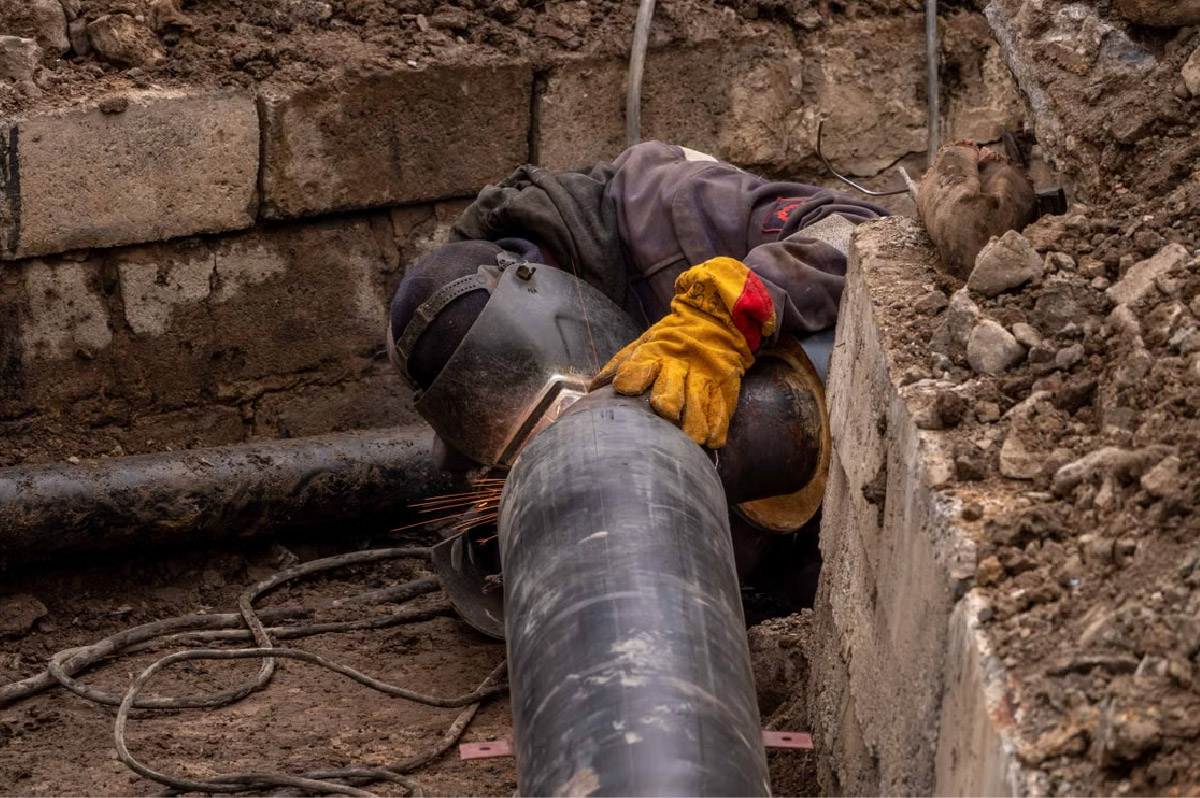
If you spend time thinking about your lawn, garden beds, or drainage after a storm, the pipes under your neighborhood probably aren’t top of mind. Fair enough. They’re buried, invisible, and easy to ignore until something starts acting strange. Still, the condition of local underground pipes can affect your yard, street, water quality, and even what you pay for repairs at home. A little awareness goes a long way.
Common signs your area may be dealing with aging systems
You don’t need a hard hat or a clipboard to spot clues. Neighborhood infrastructure often leaves hints before major failures happen. Some are subtle, while others practically wave a red flag from the curb.
Watch for signs like these:
– Repeated street or sidewalk patch jobs in the same area
– Water pooling near storm drains after minor rain
– Sudden dips or soft spots in lawns near public right-of-way
– Unpleasant odors near drains or manholes
– Frequent notices about sewer work or water main maintenance
– Tree roots lifting pavement near older utility lines
These issues don’t always point to one exact cause, but they often suggest a network under stress. Municipal crews increasingly use methods tied to aging infrastructure repair when pipes need attention without turning every block into a construction zone. That matters to homeowners who’d rather keep their landscaping intact.
Why underground pipes matter more than you might think
Your neighborhood runs on buried systems. Storm drains, sewer lines, and municipal water pipes quietly handle the messy, unglamorous work that keeps daily life normal. When those systems start failing, the signs often show up above ground first.
You might notice puddles that linger too long, sinky patches in the lawn near the curb, odd sewer smells, or tree roots thriving a little too enthusiastically near old lines. None of that looks dramatic at first. Then one day the street gets torn up, traffic gets rerouted, and everyone suddenly becomes an armchair infrastructure expert.
Older communities are especially vulnerable. Many underground systems were installed decades ago with materials that wear down, crack, corrode, or shift as soil settles. Pipes do not care that your hydrangeas are finally doing well this season.
How damaged public pipes can affect your yard and garden
A municipal pipe problem may sound like the city’s headache, but your property can still feel the side effects. Water follows gravity, pressure follows weak spots, and soil reacts in ways that can make your yard look off long before anyone mentions a pipeline issue.
Too much underground moisture can drown roots, create mushy lawn sections, and attract pests that love damp conditions. On the other side, leaks that redirect water away from normal paths can leave plants stressed and dry in nearby areas. If the issue involves sewer lines, contamination becomes a real concern for edible gardens and surface runoff.
Hardscaping can also shift. Walkways settle unevenly. Driveway edges crack. Fence posts loosen. None of that is a fun surprise. If your yard develops unexplained drainage changes and your own irrigation or plumbing checks out, it’s smart to consider whether the broader neighborhood system might be playing a role.
Modern repair methods are less destructive than you might expect
Most people picture pipe repair as a full excavation circus: trenches, mud, noise, and your curb looking like it lost an argument with a backhoe. That still happens in some cases, but it’s no longer the only play in the book.
Cities and utility contractors now often use trenchless methods, including cured-in-place lining and related pipe rehabilitation techniques. Instead of digging up long stretches of road or landscaped ground, crews can restore the inside of existing pipes with far less surface disruption.
For homeowners, that can mean fewer torn-up sidewalks, less damage to tree roots, and shorter project timelines. It also reduces the domino effect construction has on parking, traffic flow, and access to homes. Not every pipe qualifies for lining, of course. Severe collapse or major alignment problems may still require excavation. Even so, repair technology has come a long way from the dig-first approach many people still imagine.
What you can do if you suspect a neighborhood pipe issue
You don’t need to diagnose underground infrastructure on your own. You do need to document what you see and report it clearly. That tends to get better results than saying the yard feels cursed lately.
Start with basics:
– Take photos of standing water, soil settling, or repeated wet spots
– Note dates, weather conditions, and any odors
– Check whether neighbors are seeing similar issues
– Review recent utility notices from your city or district
– Contact public works if the problem seems near the street or curb
– Call a plumber if signs point to a private lateral on your property
Distinguishing between public and private responsibility matters. A homeowner may be responsible for the sewer lateral from the house to the main, while the city handles the larger municipal line. That line can be annoyingly blurry until someone with the right equipment investigates.
Prevention at home still matters, even when the city handles the mains
You can’t rebuild the sewer main under your block, but you can reduce pressure on the systems connected to your property. Small habits help more than people think, especially in older neighborhoods where every drain line is already working with some mileage.
Keep gutters directed away from foundations and avoid sending excess runoff into areas that already stay soggy. Don’t plant thirsty, aggressive-root trees too close to known sewer routes. Be careful about what goes down household drains. Grease, wipes, and debris turn pipes into trouble magnets with impressive efficiency.
It’s also worth scheduling periodic inspections if your home is older. A camera inspection can reveal root intrusion, cracks, or offset joints before they become expensive emergencies. Preventive maintenance lacks glamour, but so does sewage backup. One of those is much easier to live with.
Why infrastructure awareness belongs in any home and garden conversation
Home and garden care usually focuses on what you can prune, plant, mulch, or fix with a weekend trip to the hardware store. Underground infrastructure sits outside that cheerful zone, yet it shapes drainage, soil stability, and the long-term health of your outdoor space.
If your neighborhood has older utilities, paying attention to public pipe conditions is practical, not paranoid. It helps you spot problems earlier, communicate better with local agencies, and protect your own property from ripple effects that start far below the grass.
A healthy yard depends on more than sunlight and watering schedules. It also depends on what’s happening under the street, beneath the curb, and out of sight. Not exactly glamorous, sure. Still, hidden systems deserve some credit. When they work, your garden gets the spotlight. When they fail, everyone notices.
You May Also Read: What to Check Before You Call for HVAC Repair During Frisco’s Peak Heat
