

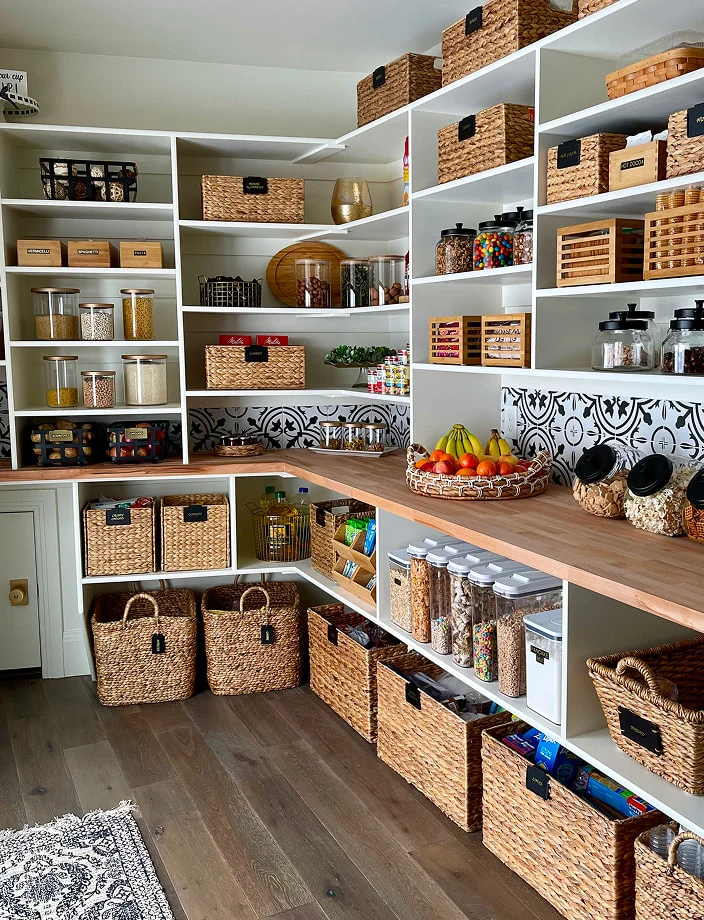
Living in Utah comes with unique rhythms: seasonal sports gear, space-conscious mountain homes, and the desire to make rooms feel open and functional despite weather-driven storage needs. Transforming your home starts with a clear plan and realistic goals. This article walks through proven organizing strategies designed for Utah residences, combining clutter-reduction techniques, thoughtful systems, and local considerations that help each room work harder and feel calmer. Practicality and aesthetics should go hand in hand so that your home supports your lifestyle year-round, whether you’re preparing for ski season or reclaiming space after summer guests.
Understand Your Space and Lifestyle
Begin by evaluating how each area of your home is actually used. Observe peak times—when kids come home, when the kitchen is busiest, and how often your garage doubles as a workshop or storage room. Sketch a simple map or take photos to identify bottlenecks and underused spaces. Prioritize changes that will have the biggest daily impact: entryways that swallow time because shoes and coats are chaotic, kitchens where countertops are covered, or closets that make getting dressed frustrating. When you match storage solutions to real habits rather than idealized ones, systems are easier to maintain and more likely to succeed.
Tackle Clutter with Purpose
Decluttering is not a one-time purge but a strategic process. Start small: a single drawer, a shelf, or the junk drawer. Decide on clear criteria for keeping items—frequency of use, sentimental value, and current condition. Be ruthless with duplicates and things you haven’t used in the past year. For Utah households, that includes seasonal gear like boots, helmets, and jackets. Sort items into keep, donate, sell, and recycle piles, and schedule immediate actions for the donation and recycling piles so they don’t migrate back into the house. Clear categories and deadlines make decisions easier and prevent the declutter pile from becoming a future problem.
Smart Storage Solutions for Mountain Living
Utah homes often need storage that accommodates outdoor equipment and fluctuating seasonal wardrobes. Vertical storage helps when square footage is limited: wall-mounted racks for skis and bikes, overhead shelving in garages, and tall cabinetry in mudrooms. Clear, labeled containers protect items from dust and make it simple to find what you need. For wet or dirty gear, integrate a rinse-and-dry station near the entry or garage to keep mess contained. In closets, use slim hangers to maximize rod space and incorporate pull-out bins for gloves, hats, and beanies. Custom closet inserts and multi-level shelving can turn awkward nooks into functional storage without sacrificing style.
Create Functional Zones
Design each room with a primary purpose and secondary functions in mind. A kitchen’s main zone is cooking; secondary zones should support prep, cleanup, and homework. Position tools and ingredients near where they’re used. In family rooms, designate a media area, a reading corner, and a toy zone, each with its own container or furniture that visually separates activities. Labeling, clearly defined baskets, and furniture with built-in storage help keep zones intact. For households that entertain frequently, keep a ready-to-go serving kit in an accessible cabinet so last-minute hosting doesn’t create chaos.
Paper, Digital, and Sentimental Item Management
Paper clutter is persistent. Create a triage system for incoming mail: action, file, or recycle. A simple inbox with an attached calendar for deadlines keeps papers from accumulating. Digitize statements and receipts where possible and maintain a consistent naming system on your devices. For sentimental items, adopt a memory box strategy with a fixed size per family member to limit overflow. Photograph items you can’t keep, then store digital albums organized by year or event. For shared family documents, consider a locked digital folder or cloud storage with clear access permissions to reduce duplicate paper copies and confusion.
Maintain Systems and Build Habits
An organized home requires maintenance rituals. Schedule a weekly 15-minute reset to return items to their zones, clear counters, and review upcoming weekend tasks. Monthly, reassess high-traffic spaces and handle anything that has crept back into the wrong place. Encourage family buy-in by assigning simple, age-appropriate responsibilities and making organization visible and rewarding. Use checklists for seasonal transitions—bringing winter gear out or packing away summer toys—and place them where they’re seen. Small, consistent efforts prevent the need for major overhauls and keep systems functioning smoothly.
When to Hire a Professional
If projects feel overwhelming or you’re short on time, a professional organizer can provide targeted solutions and accountability. A trained organizer can design systems tailored to your home layout, recommend appropriate storage products, and guide decluttering in ways that respect your family’s emotional attachments. For residents seeking local expertise, consider contacting a home organizer Salt Lake City who understands Utah-specific needs such as ski storage, mudroom design, and seasonal rotation strategies. Working with a pro can accelerate progress and create sustainable habits so your home remains organized beyond the initial makeover.
Make It Personal and Sustainable
The best organizing solutions are both personal and sustainable. Choose storage materials that complement your decor, and plan systems that reflect your family’s routines rather than copying someone else’s ideal setup. Incorporate donated or repurposed items whenever possible to reduce waste, and adopt a one-in-one-out approach for new purchases to prevent accumulation. Over time, your organized home will adapt to life changes if the systems are flexible and intentionally simple. With clear priorities, regular upkeep, and occasional professional guidance, Utah homeowners can transform their spaces into functional, peaceful places that support both everyday living and seasonal adventures.
